Ricketson purchased the doll, but upon discovering the site through her daughter, both were reportedly horrified by the explicit content displayed. The mother’s legal representatives argue that Mattel’s mistake renders the doll “unfit for its intended purpose” and constitutes negligence. They also express frustration regarding the absence of refunds per the company’s efforts to rectify the situation. The class action lawsuit seeks approximately $5 million in damages for all U.S. consumers affected by this erroneous packaging.
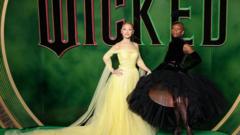
In response to the uproar, Mattel has publicly acknowledged the misprint as an "unfortunate error," offering consumers guidance to discard the affected packaging and issuing a recall. The company has yet to provide further comments following Ricketson's lawsuit, which also cites violations of consumer protection laws in California. The doll series connected to the Wicked film has already garnered significant box office success, grossing over $360 million globally, showcasing the popularity of the franchise amidst the controversy.
In response to the uproar, Mattel has publicly acknowledged the misprint as an "unfortunate error," offering consumers guidance to discard the affected packaging and issuing a recall. The company has yet to provide further comments following Ricketson's lawsuit, which also cites violations of consumer protection laws in California. The doll series connected to the Wicked film has already garnered significant box office success, grossing over $360 million globally, showcasing the popularity of the franchise amidst the controversy.