In brief
On January 17, 2025, the Israeli government approved a significant cease-fire deal aimed at ending over a year of conflict in Gaza, with both sides expressing cautious optimism about the agreement’s potential.
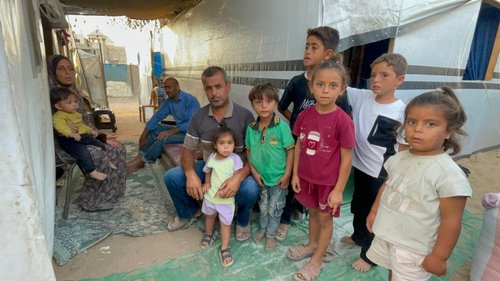
After intense negotiations, the Israeli cabinet approved a cease-fire agreement with Hamas that promises the release of hostages held in Gaza and Palestinian prisoners in Israeli jails. This landmark decision, announced by the Israeli prime minister's office, marks the first potential break in a devastating conflict that has spanned 15 months. The cease-fire is set to take effect on Sunday.The news has generated hope among Palestinians who are eager for peace, while Israelis are anxiously awaiting the return of loved ones taken hostage by Hamas during the tumultuous events that ensued following the assault on Israel on October 7, 2023, which resulted in about 1,200 fatalities. Family members of captives, like Daniel Lifshitz, express a mix of hope and anguish, shedding light on the emotional toll that the ongoing conflict has taken.The vote that confirmed this cease-fire was deemed a vital step by U.S. and international diplomats, who see the agreement as a promising path toward stabilizing the situation in the region. A previous security cabinet vote had already paved the way for the deal, overcoming significant hurdles that had previously stalled negotiations. Hamas has indicated that no further objections exist, allowing the process to proceed.As both parties anticipate the powerful implications of this cease-fire, the broader community remains vigilant, aware that fragile agreements in the region can often encounter unforeseen challenges. The situation continues to evolve, with many looking towards Sunday for a tentative return to peace in Gaza.