In brief
As South Korea confronts the potential return of martial law—a frightening echo of its past—citizens articulate their trauma and fear while emphasizing the importance of democracy, amidst a polarized debate on the necessity of such measures.
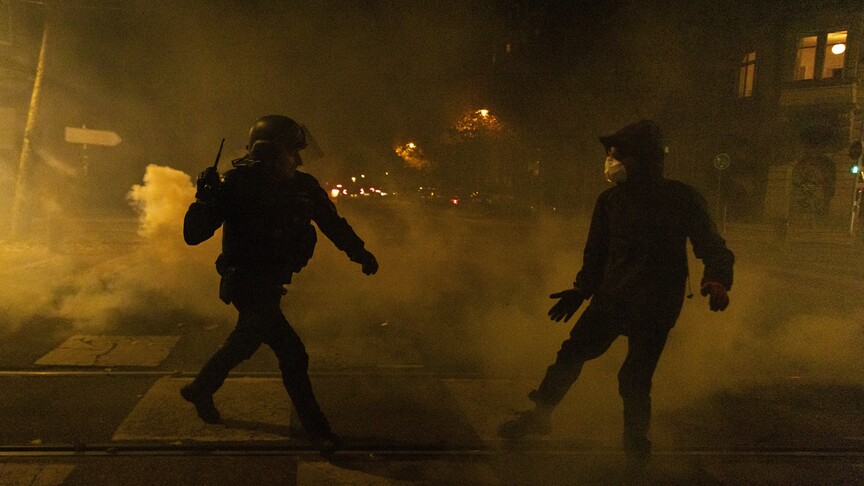
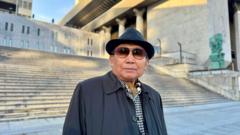
Koh Jea-hak still remembers the chilling events of April 1960 when South Korean soldiers opened fire on young female protesters during a call for political reform against the dictatorship of Syngman Rhee. At that moment, he witnessed the clash between demonstrators and police from the window of a government building, a memory that lingers painfully for the 87-year-old. The declaration of martial law soon followed, marking a period of unrest in South Korea that would see 16 instances of martial law under various oppressive regimes in the ensuing years.Despite its current status as a flourishing democracy, South Korea's history of martial law serves as a deeply ingrained reminder of struggles faced for civil liberties. The recent announcement by President Yoon Suk-yeol to declare martial law—a first in 45 years—triggered intense pushback from both lawmakers and citizens alike, who have become wary of such authoritarian measures re-emerging. Protesters rallied urgently to protect their legislative body from military intervention, illustrating a country ardently protective of its democratic rights.During his televised announcement, Yoon claimed martial law was essential to combat so-called "pro-North anti-state" forces, causing widespread confusion and skepticism among the populace. Many noted the absence of valid evidence to support his claims, leading some to suspect that the president intended to eliminate political adversaries rather than address any real threats. Historical parallels emerged rapidly in the public discourse; periods of martial law had often been framed by leaders as necessary for societal stability, although they personal had resulted in severe restrictions on freedoms and brutal crackdowns on dissent.The infamous Gwangju Uprising of 1980 remains a painful memory, with its brutal military suppression—classified by many experts as a massacre—haunting collective memory. As South Korea transitioned to democracy in 1988 through hard-fought struggles, it ushered in an era where civil liberties flourished, allowing the country to build a vibrant creative industry. The arts have played a significant role in keeping the memories of the past alive, with numerous productions emphasizing the turbulent history and the societal cost of authoritarian rule.Younger citizens, although distanced from the direct impact of martial law, have internalized the fears expressed by their elders. For 15-year-old Kwon Hoo, initial excitement regarding the announcement of martial law gave way to anxiety over potential curfews and restrictions on daily life. The generational difference is palpable, yet the overarching sentiment aligns in opposition to Yoon's measures.While a significant number of older South Koreans view certain martial law periods as necessary for maintaining stability, there remains a consensus that today's circumstances do not warrant such an approach. Both Koh and fellow elder Kang Hyo-san, 83, expressed their belief that Yoon's actions had no legitimacy and emphasized their commitment to protecting the hard-won freedoms of democracy. As a collective, South Koreans insist that history should not repeat itself, valuing the lessons learned through years of trauma and repression. "Without democracy and freedom of living, what is life?" Ms. Kim poignantly asked, summing up the sentiments of many who refuse to let the past dictate their future.