In brief
As the world grapples with an ever-increasing amount of electronic waste (e-waste), impoverished communities like those in Ghana's Agbogbloshie face a toxic cycle of health hazards and survival. While rich nations offload their e-waste, local workers extract precious metals through detrimental practices, often endangering their health. The UN highlights significant shortcomings in global e-waste recycling efforts, underscoring the urgency for systemic change amidst growing trafficking concerns.
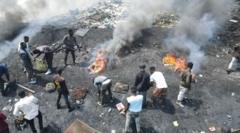
In Accra, Ghana, the Agbogbloshie dumpsite belches out thick columns of smoke, a grim reminder of the toll taken by the global e-waste crisis. Situated in a region where many lives depend on salvaging materials from discarded electronics, the sight of men setting fire to piles of cables and appliances is a haunting testament to survival against the odds. They extract valuable metals like copper and gold from the once cherished gadgets of wealthier nations. With over 62 million tonnes of e-waste generated in 2022 alone, this toxic practice has dire implications for the environment and public health.Workers like Abdulla Yakubu, faced with red and watery eyes, endure the harsh reality of constant exposure to air thick with pollutants. “The air, as you can see, is very polluted and I have to work here every day, so it definitely affects our health,” he laments. Abiba Alhassan, a mother of four, echoes these sentiments, as she sorts through the remnants of a toxic trade, often coughing under the strain of harmful fumes. While e-waste is the fastest-growing waste stream, only about 15% of it is properly recycled, leading unscrupulous entities to traffic it to places like Ghana where local regulations struggle to keep pace.Despite understanding the environmental dangers associated with burning e-waste, traffickers continue to exploit loopholes. Ports across Europe routinely uncover misdeclared containers filled with hazardous materials masked as reusable goods. Reports indicate a staggering increase in trafficking e-waste — the most frequently seized waste globally — while authorities have begun employing sophisticated tactics to hoodwink regulatory systems.As developing countries tighten their borders against waste trafficking, the brunt of the e-waste dilemma shifts to Africa. Investigators reveal that the smuggling of hazardous materials often involves circumventing legal protocols, leading to illegal disposal methods in vulnerable communities. With the introduction of the Basel Convention's stricter guidelines for waste export in 2025, hope for reform rests in closing avenues that enable this global problem.However, the US, as a major e-waste contributor, has not ratified the convention, leaving significant gaps in accountability. As workers like Abiba struggle to make ends meet amidst hazardous conditions, their reliance on e-waste scavenging highlights a multifaceted crisis that demands immediate global action. Abiba admits, “I spend almost half the money I earn on medicines to deal with conditions resulting from working at the dump,” revealing the grim compromise of health for subsistence living as communities try to navigate the perilous landscape of e-waste.