In brief
Data centres—the backbone of the internet and the AI boom—are expanding faster than ever, with over 12,000 sites worldwide and the United States harbouring almost half of them. The industry’s electricity use now exceeds that of France and threatens local grids and water supplies, sparking public protests and state‑level bans. Politicians, from President Trump to opposing parties in Congress, are embroiled in a clash over whether the infrastructure’s economic promises outweigh its ecological costs. While supporters tout security and job creation benefits, critics warn about noise, land use and a widening gap between the US and Europe. The debate is set to influence voters’ choices in the November mid‑term elections.
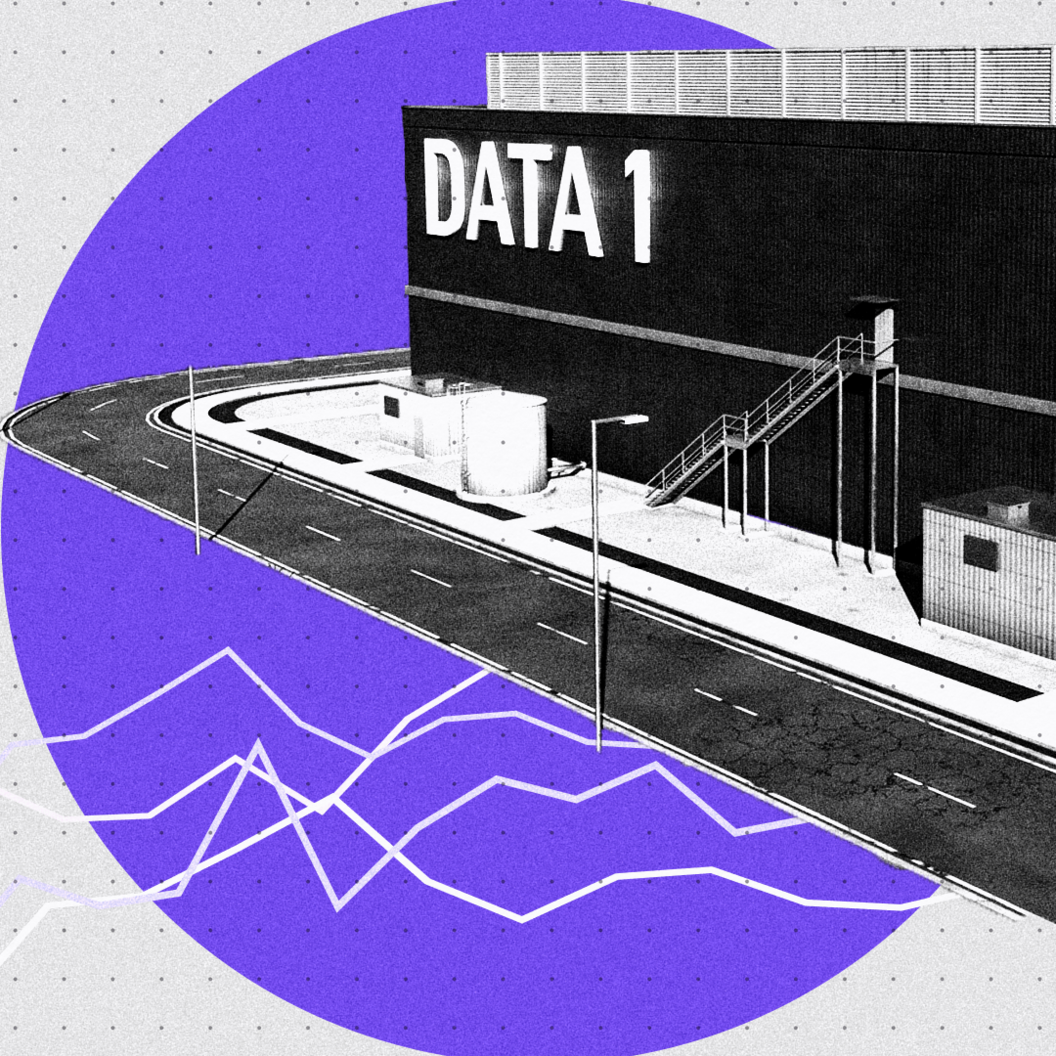
Until a few years ago many people were unaware of the colossal vaults of servers that power everyday life. These warehouse‑sized data centres handle everything from web searches to banking transactions and are now the powerhouses behind AI services such as ChatGPT and Claude.
Their growth has been explosive: global numbers climbed from about 8,000 operational sites in 2021 to more than 12,000 today, with the United States hosting nearly 4,800 of them. The bulk of the world’s installed capacity—over 50 gigawatts—is centered in the USA, followed by China and, far behind, the EU.
Data centres use far more electricity than the whole of France, and their cooling needs can strain local water supplies. The resulting pressure on power grids raises concerns over higher energy prices and increased carbon emissions.
The issue has become a political touchstone. President Trump described the backlash as a "sick conspiracy," while Democrats and environmental groups argue that unchecked expansion threatens livelihoods and the planet. Several U.S. states have introduced legislation to restrict or outright prohibit new facilities.
Opposition is also spreading internationally, with protests in Mexico, France, Indonesia, and the United Kingdom. Supporters, however, point to data centres as critical to national security, AI development, and job creation—especially in the form of hyperscale facilities built by companies like Amazon and Microsoft.
Despite claims of economic boon, a Brookings Center report finds that local employment gains are modest and that the benefits differ between hyperscale and colocation sites.
In response to the environmental toll, some companies are exploring radical alternatives: space‑based or lunar data centres that could tap solar energy, or shifting more AI workloads to the CPUs already in everyday devices, potentially reducing the need for enormous physical footprints.
Additional reporting and design by Erwan Rivault, Matt Faraci and Dominic Bailey.