In brief
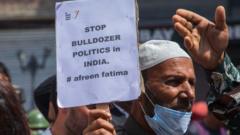
In a landmark ruling, India's Supreme Court has declared that demolishing properties merely because individuals are accused of crimes is unconstitutional. This decisive move addresses the troubling trend of using bulldozers as punitive tools and emphasizes the need for proper legal protocols.
The Supreme Court of India has decreed that authorities cannot demolish homes based solely on a person's criminal accusations, stating this represents a breach of the rule of law. In a recent ruling, the court emphasized that the government must not assume judicial roles, highlighting how such demolition actions evoke a sense of lawlessness. The court's decision follows multiple instances, particularly in regions led by the Bharatiya Janata Party (BJP), where properties of accused individuals were destroyed under the pretext of illegal construction. Critics argue that these demolitions often disproportionately target the Muslim community following instances of unrest or protests.In a strongly worded statement, the Supreme Court condemned such extrajudicial measures, explaining they have no place within a democratic framework. The court highlighted the importance of enabling those affected to contest demolition orders, mandating a 15-day prior notice detailing the reasons for such actions. If there is no response within the stipulated time, authorities may proceed, but only after documenting the process through video evidence. The court warned that failure to adhere to these guidelines could result in contempt of court.The ruling aims to protect citizens' rights and curb the misuse of power by authorities, a hopeful step towards preventing the establishment of a norm surrounding arbitrary demolitions. International human rights organization Amnesty International has applauded the judgment as a significant victory for justice, particularly for marginalized communities adversely affected by these demolitions. As the Supreme Court's guidelines are put into practice, their enforcement will be vital in safeguarding civil liberties and ensuring justice prevails.