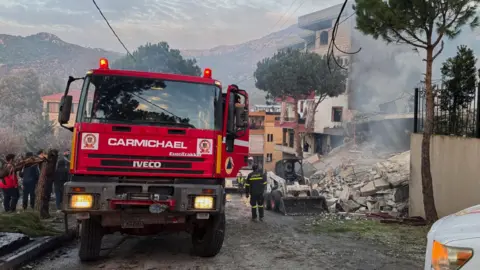
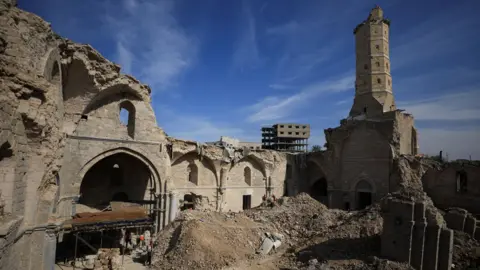
Israel's ongoing military operations in Gaza have hit a new low with its recent announcement to expand land seizures and forcibly displace more civilians. The plan has incited a palpable sense of despair among families already grappling with the trauma of frequent dislocations since the onset of hostilities.
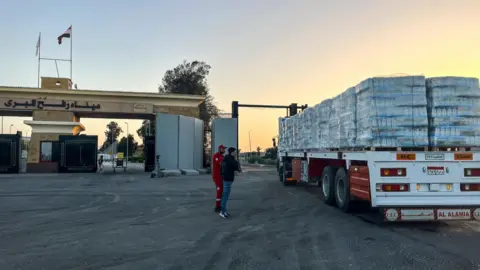
The situation on the ground, particularly in northern Gaza, has become increasingly dire, with reports indicating a steep rise in hunger and essential needs due to Israel's blockade of aid. The United Nations has raised alarms, describing the escalating conditions as a “growing humanitarian catastrophe.”
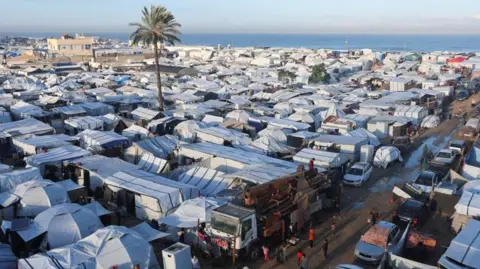
Palestinians like Anees Jneed, a 31-year-old who has been uprooted multiple times throughout the conflict, express deep anguish over the prospect of another forced evacuation. “Displacement means death, humiliation, homelessness,” Jneed lamented from the makeshift shelter where he now resides.
In a critical move, Israeli authorities announced the mobilization of tens of thousands of military reservists to support this new phase of operations aimed at pressuring Hamas into resuming stalled ceasefire discussions — a strategy that, ironically, may have alienated any hopes for negotiations. Following the announcement, a Hamas spokesperson declared a withdrawal from any engagement in ceasefire talks, further complicating an already tense situation.
The Israeli military's actions have raised serious concerns about the implications for the residents caught in this violent and chaotic scenario, as the cycle of suffering and displacement continues to perpetuate a critical humanitarian crisis in Gaza.
The situation on the ground, particularly in northern Gaza, has become increasingly dire, with reports indicating a steep rise in hunger and essential needs due to Israel's blockade of aid. The United Nations has raised alarms, describing the escalating conditions as a “growing humanitarian catastrophe.”
Palestinians like Anees Jneed, a 31-year-old who has been uprooted multiple times throughout the conflict, express deep anguish over the prospect of another forced evacuation. “Displacement means death, humiliation, homelessness,” Jneed lamented from the makeshift shelter where he now resides.
In a critical move, Israeli authorities announced the mobilization of tens of thousands of military reservists to support this new phase of operations aimed at pressuring Hamas into resuming stalled ceasefire discussions — a strategy that, ironically, may have alienated any hopes for negotiations. Following the announcement, a Hamas spokesperson declared a withdrawal from any engagement in ceasefire talks, further complicating an already tense situation.
The Israeli military's actions have raised serious concerns about the implications for the residents caught in this violent and chaotic scenario, as the cycle of suffering and displacement continues to perpetuate a critical humanitarian crisis in Gaza.