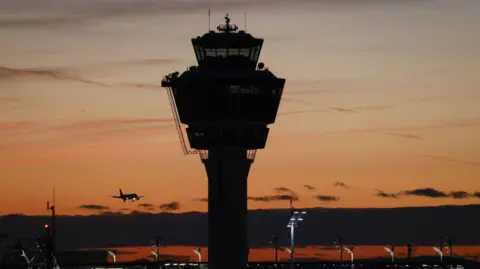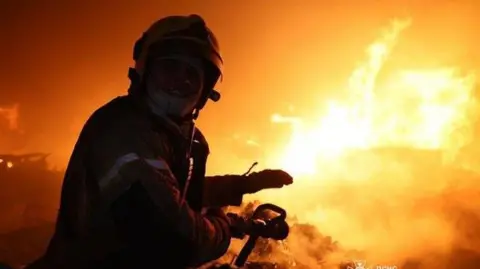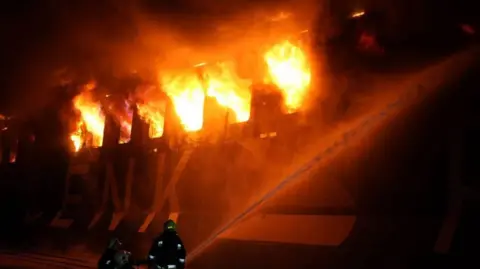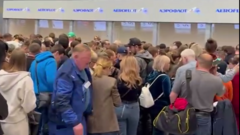
At least 60,000 air passengers find themselves stranded across major cities in Russia due to extensive Ukrainian drone attacks. Reports from local officials indicate that 350 flights have been disrupted in airports including Moscow, St. Petersburg, and Sochi since Tuesday evening. The Russian defense ministry claimed to have destroyed 524 Ukrainian drones, marking a potential record in such engagements, with no casualties reported.
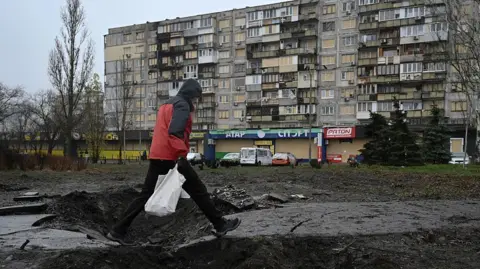
In contrast, Ukraine reported that its own drone and missile strikes on Kyiv resulted in the deaths of two individuals. This comes as a seemingly theatrical ceasefire proposed by Russia coincides with upcoming World War II commemorations, an offer that Ukraine has firmly rejected. Kyiv instead calls for an unconditional 30-day ceasefire, backed by allies in Europe and the U.S.
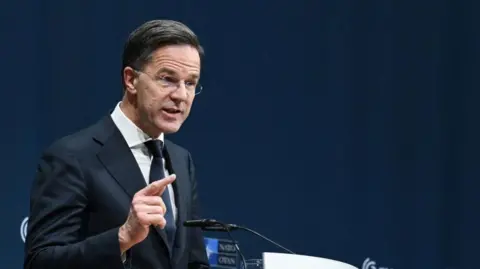
U.S. Vice-President JD Vance articulated skepticism regarding Russia's ceasefire demands, labeling them excessive, and stressed the importance of dialogue between the two nations. In Moscow, three key airports faced serious disruptions, with significant cancellations and delays reported. Footage from these locations depicted long lines of stranded travelers awaiting their flights–an evident fallout from ongoing hostilities.
As the situation develops, several leaders, including China's Xi Jinping and Serbia's Aleksandar Vucic, are witnessing complications while arriving in Moscow for a significant military parade. Vucic’s plane even required an emergency stop due to drone threats.
Notably, the Russian government is preparing for the 80th anniversary of the victory over Nazi Germany, a national holiday observed with great significance. However, opposition from the Baltic states over airspace access for leaders attending the event underscores the wider geopolitical friction.
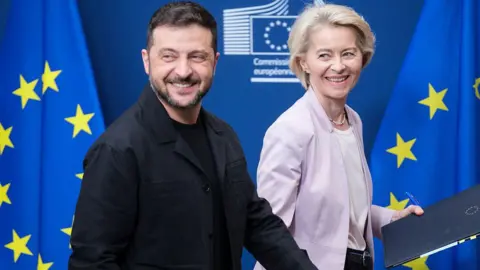
Ukrainian President Volodymyr Zelensky, in the wake of the recent drone attacks, has called for intensified pressure on Russia while cautioning against the potential dangers for foreign attendees at the parade. He emphasized that Ukraine cannot be responsible for security within Russian territory.
While Russia continues to push its narrative of liberation, Ukraine and its allies have labeled this as an attempt to deflect accountability for ongoing war crimes. As tensions persist and air travel gets severely hampered, the complexities of this conflict remain as pronounced as ever.