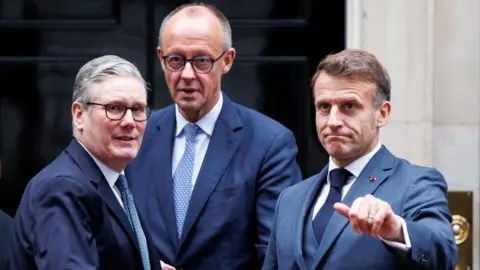
Despite ongoing diplomatic discussions in London aimed at reaching a ceasefire between Ukraine and Russia, the negotiations have become more complicated as key U.S. officials, including Secretary of State Marco Rubio and special envoy Steve Witkoff, will not attend. The planned talks on Wednesday will go ahead with senior representatives from the UK, France, Germany, Ukraine, and the U.S., while UK Foreign Secretary David Lammy will meet bilaterally with his Ukrainian counterpart.
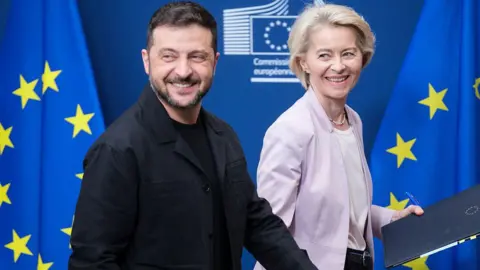
Ukrainian President Volodymyr Zelensky firmly dismissed suggestions of recognizing Crimea as Russian territory, emphasizing that Ukraine does not consider the occupation of Crimea legitimate. This response comes amid speculation that Russia might entertain a halt to its invasion in exchange for substantial concessions, highlighting the challenges facing negotiators.
In conversations leading up to the talks, Rubio described his exchange with Lammy as "productive," with both officials recognizing the importance of these discussions in the context of Ukraine’s ongoing struggle. However, the UK Foreign Office later confirmed that the foreign ministers' session has been postponed, while U.S. envoy Witkoff is scheduled to meet with President Vladimir Putin in Moscow for a continued dialogue.
Zelensky's firm stance on Crimea is echoed by Yuriy Sak, an adviser in Ukraine's strategic sector, who stated that discussions about territorial integrity are not fruitful and that negotiators are attending the London meeting with a clear focus on achieving a ceasefire.
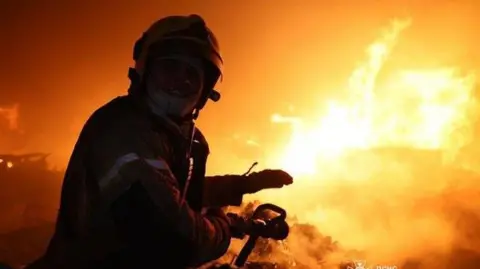
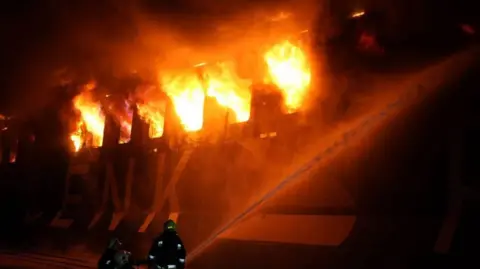
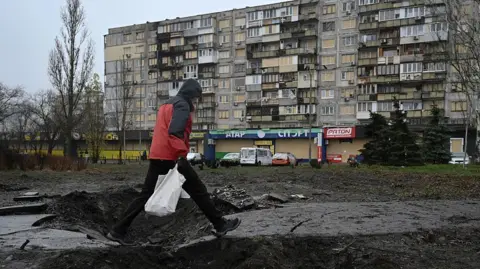
Additionally, UK Defence Secretary John Healey has stated that claims of a ceasefire declared by Putin have been contradicted by evidence of ongoing attacks. This includes a recent Russian drone strike in Marhanets that resulted in nine fatalities, underscoring the ongoing violence and human toll of the conflict.
The war, which escalated in February 2022 after Russia's invasion, has roots dating back to 2014 when Russia annexed Crimea, following Ukraine's rejection of a pro-Russian regime. The overall context remains fraught, with ongoing attacks, shifting military dynamics, and an unclear path to a durable peace settlement.
Ukrainian President Volodymyr Zelensky firmly dismissed suggestions of recognizing Crimea as Russian territory, emphasizing that Ukraine does not consider the occupation of Crimea legitimate. This response comes amid speculation that Russia might entertain a halt to its invasion in exchange for substantial concessions, highlighting the challenges facing negotiators.
In conversations leading up to the talks, Rubio described his exchange with Lammy as "productive," with both officials recognizing the importance of these discussions in the context of Ukraine’s ongoing struggle. However, the UK Foreign Office later confirmed that the foreign ministers' session has been postponed, while U.S. envoy Witkoff is scheduled to meet with President Vladimir Putin in Moscow for a continued dialogue.
Zelensky's firm stance on Crimea is echoed by Yuriy Sak, an adviser in Ukraine's strategic sector, who stated that discussions about territorial integrity are not fruitful and that negotiators are attending the London meeting with a clear focus on achieving a ceasefire.
Additionally, UK Defence Secretary John Healey has stated that claims of a ceasefire declared by Putin have been contradicted by evidence of ongoing attacks. This includes a recent Russian drone strike in Marhanets that resulted in nine fatalities, underscoring the ongoing violence and human toll of the conflict.
The war, which escalated in February 2022 after Russia's invasion, has roots dating back to 2014 when Russia annexed Crimea, following Ukraine's rejection of a pro-Russian regime. The overall context remains fraught, with ongoing attacks, shifting military dynamics, and an unclear path to a durable peace settlement.