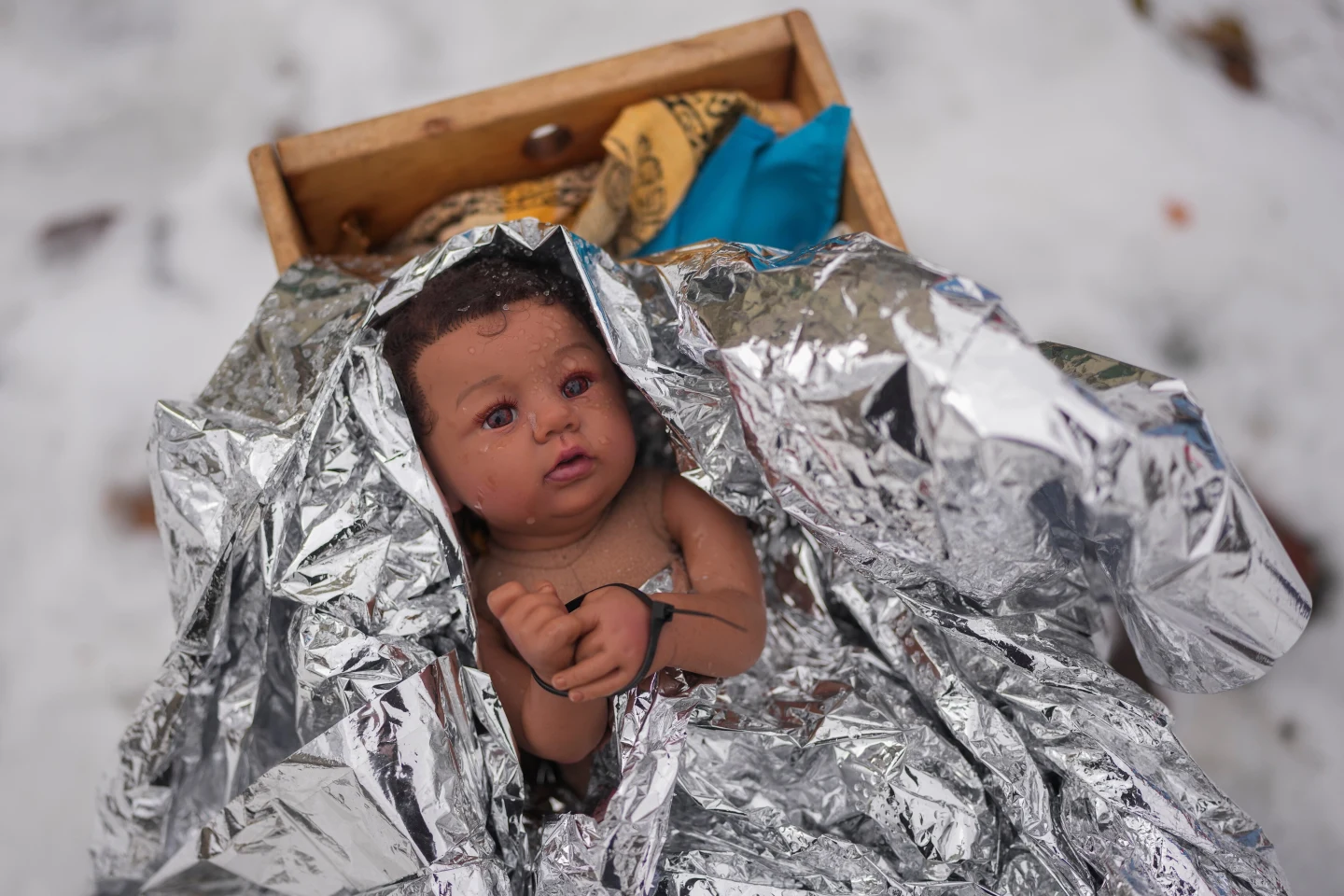
In Dedham, Massachusetts, one baby Jesus now rests in a manger wrapped in an emergency blanket, wrist zip-tied, as depictions of Mary wearing a gas mask circulate at churches in Evanston, Illinois. Armor-clad Roman soldiers from Immigration and Customs Enforcement (ICE) stand guard in these vivid nativity alterations, developed in a bold statement against federal immigration policies.
Supporters praise the installations for illuminating the plight of immigrants and refugees. In contrast, critics claim these reimagined displays tarnish sacred traditions, making the case that churches should focus on spiritual rather than political issues to preserve their tax-exempt status.
The situations unfold against a backdrop of intensified immigration enforcement, with reported arrests across Illinois and Massachusetts heightening community anxiety. The Rev. Michael Woolf, of Lake Street Church, expressed that Christmas offers an opportune moment for public art and transformative messaging.
Some church leaders have voiced their commitment to depicting the modern-day implications of Jesus' story to resonate with parishioners experiencing real fear due to immigration actions within their neighborhoods. The United Methodist Church's Jillian Westerfield shared how the Holy Family's struggle mirrors the traumatic responses of children to ICE raids, where images of Joseph were noticeably damaged in these nativity scenes, representing losses felt by local marginalized families.
Bishop Richard Henning of the Boston Archdiocese ordered that politically charged nativity scenes must adhere to a more traditional depiction, drawing vociferous responses from those who believe the church should embrace adaptation over separation. Activists assert that the essence of Christian compassion for strangers and refugees takes precedence over static images and rich traditions in confronting contemporary injustices.
As the dialogue continues, reactions remain mixed, with some community members criticizing while others rally in support of their church's artistic liberties, indicating a broader societal reflection on immigration and faith-based values.