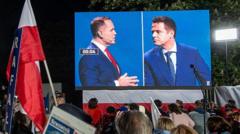
Trzaskowski, the leading candidate from the Civic Platform (PO), is closely associated with Prime Minister Donald Tusk's government, which is seen by some as a return to liberal democracy following what many described as eight years of right-wing authoritarianism under the Law and Justice party (PiS). Nawrocki, however, backed by PiS, is trailing in the polls but remains a competitive option for voters wary of returning to leftism.
The implications of the election are substantial, particularly since the president wields veto power over government initiatives—something Duda exercised frequently, limiting Tusk’s ability to implement reforms. Tusk's coalition, while critiqued for its previous actions and unfulfilled promises, claims a focus on restoring democratic values. Critics argue that the choice between candidates reflects a deeper crisis of values, making some voters yearn for genuine alternatives outside the established parties.
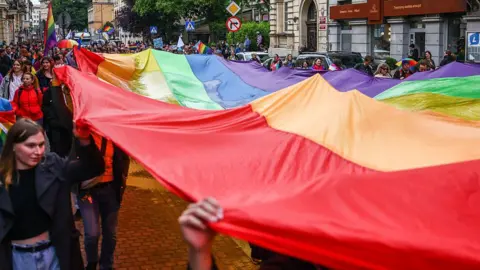
The atmosphere leading up to the election is not just rooted in political affiliations but is steeped in pressing social issues—ranging from migration policies to rights for women and LGBTQ+ communities. Many voters feel that these topics have been sidelined amid the fixation on security and migration—especially with the backdrop of war in Ukraine.
Nawrocki has faced scrutiny over allegations regarding his property dealings, although polls suggest these controversies have yet to significantly impact his support. Meanwhile, the evolving political landscape finds a segment of voters drawn to emerging, fringe candidates, underscoring widespread discontent with the traditional political establishment.
With pre-election sentiments hinting toward change, many Polish citizens hope this election could mark a turning point in their nation’s political dialogue, potentially breaking the cycle of polarization that has characterized recent governance.
The implications of the election are substantial, particularly since the president wields veto power over government initiatives—something Duda exercised frequently, limiting Tusk’s ability to implement reforms. Tusk's coalition, while critiqued for its previous actions and unfulfilled promises, claims a focus on restoring democratic values. Critics argue that the choice between candidates reflects a deeper crisis of values, making some voters yearn for genuine alternatives outside the established parties.
The atmosphere leading up to the election is not just rooted in political affiliations but is steeped in pressing social issues—ranging from migration policies to rights for women and LGBTQ+ communities. Many voters feel that these topics have been sidelined amid the fixation on security and migration—especially with the backdrop of war in Ukraine.
Nawrocki has faced scrutiny over allegations regarding his property dealings, although polls suggest these controversies have yet to significantly impact his support. Meanwhile, the evolving political landscape finds a segment of voters drawn to emerging, fringe candidates, underscoring widespread discontent with the traditional political establishment.
With pre-election sentiments hinting toward change, many Polish citizens hope this election could mark a turning point in their nation’s political dialogue, potentially breaking the cycle of polarization that has characterized recent governance.