In an alarming escalation of violence, Russia has unleashed a wave of bombardments across Ukraine, deploying drones and missiles on major cities. This offensive comes in the wake of diminishing diplomatic engagement as President Trump indicates a retreat from efforts to broker a ceasefire.
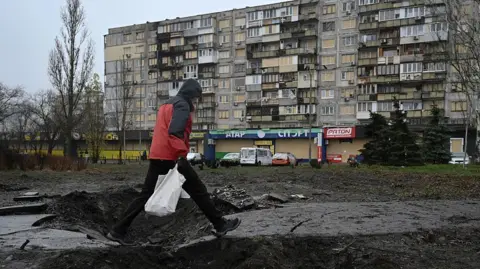
On Monday morning, a series of drone assaults accompanied by missile strikes devastated residential areas in various Ukrainian cities for the third consecutive night, with reports indicating 30 fatalities and at least 163 injuries due to the attacks. This surge in military aggression closely follows a controversial phone call between President Trump and President Vladimir Putin, during which Trump seemed to hint at halting U.S. initiatives aimed at finding a resolution to the prolonged conflict.
Ukrainian authorities have noted a sharp increase in civilian deaths and injuries since the Kremlin's renewed offensive. Strategic experts assert that this increase in hostilities appears to be a calculated move by Russia, exploiting what they perceive as a weakening of United States support—historically a crucial backer for Ukraine.
Phillips O’Brien, a prominent strategist from the University of St. Andrews, emphasized that U.S. policy decisions have markedly influenced the conflict's trajectory over the years. "The U.S. is gradually withholding essential military aid," he noted, signaling that the consequences are well-understood by Russian leadership.
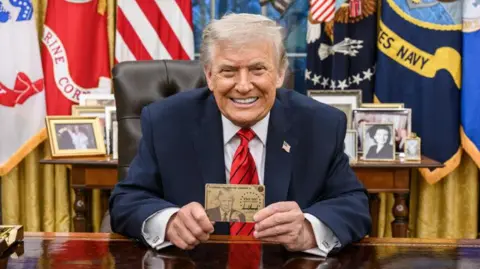
In light of the rising violence, President Trump condemned the assaults, expressing disbelief at Putin's actions. "I’ve known him a long time. Always gotten along with him. But he’s sending rockets into cities and killing people, and I don’t like it at all," Trump stated to reporters during a recent press event.
As the situation deteriorates, the focus shifts to international community responses and strategies for re-engaging in dialogue to mitigate further bloodshed.