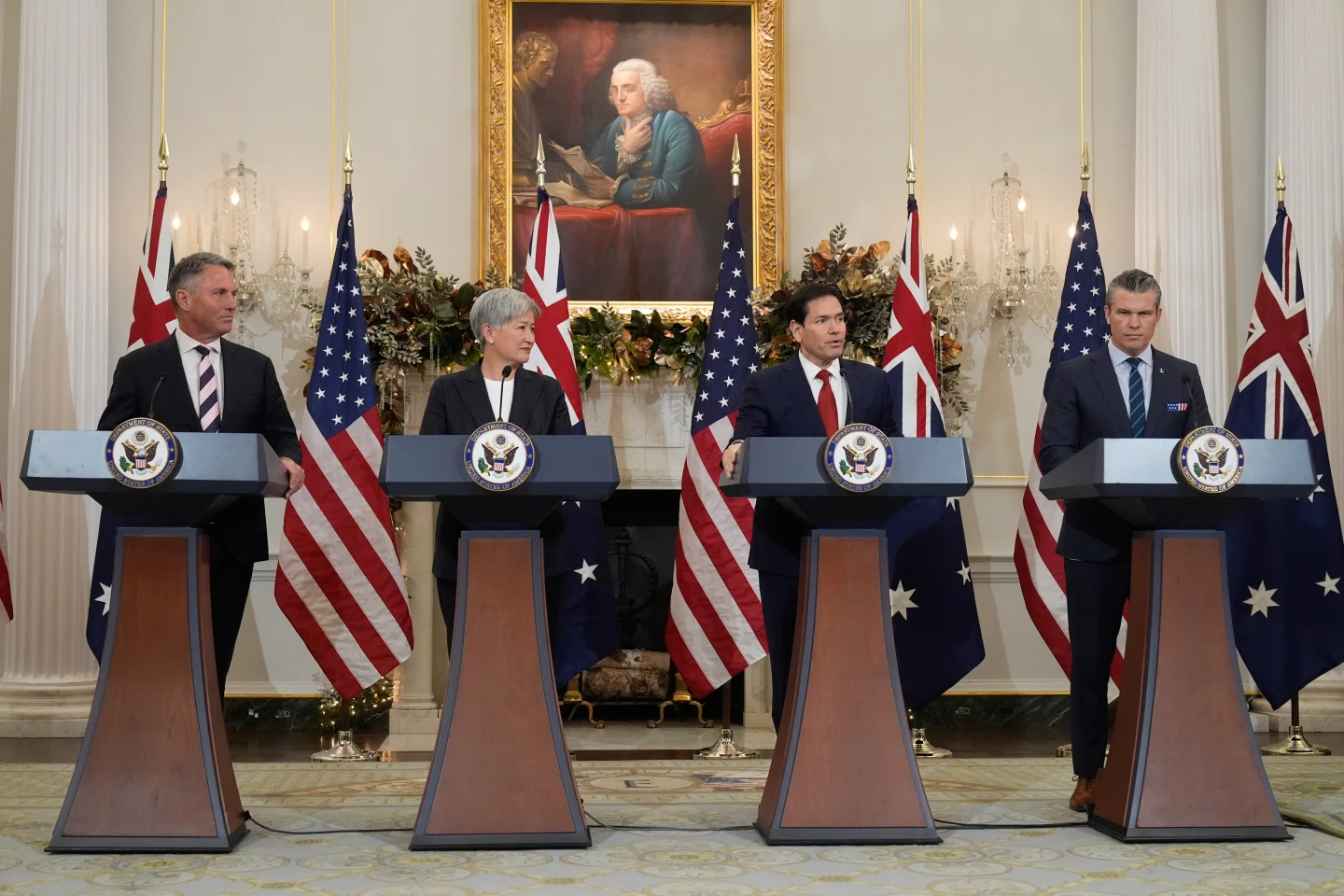
A day following President Nayib Bukele's controversial proposal to incarcerate deported criminals from the United States, the feasibility of such a plan remains uncertain. During a recent visit to Central America, U.S. Secretary of State Marco Rubio acknowledged the proposal, suggesting it would require thorough review. He described it as "generous," although questions linger about the legality of sending U.S. convicts to foreign prisons, particularly American citizens.
Bukele's tough stance on crime has drawn both attention and alarm, as his administration's prisons have become infamous for holding vast numbers of individuals—many of whom are alleged innocents—while targeting gangs that have long plagued El Salvador. These overcrowded facilities have turned into symbols bolstering Bukele's political strength and popularity, which even resonates with former President Trump.
Experts express skepticism about the legal implications of transferring U.S. convicts to El Salvador's prison system. Even if the proposal does not materialize, it offers a unique lens through which both governments can showcase a strong anti-crime ethos, highlighting their commitment to addressing criminal behavior. The discussions surrounding this plan continue to highlight the complex dynamics of crime, punishment, and human rights between the United States and El Salvador.