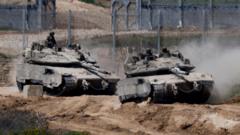
The Israeli security cabinet has authorized a significant expansion of military operations aimed at Hamas, including a strategy to "capture" and maintain control over Gaza. Prime Minister Benjamin Netanyahu announced a decision for a "forceful operation" focused on dismantling Hamas's infrastructure and securing the release of hostages held by the militant group. Under this new directive, he indicated that the diverse population of approximately 2.1 million residents in Gaza may be relocated for protective reasons, although details regarding territorial boundaries have yet to be clarified.
As tensions rise, the Israeli military has mobilized tens of thousands of reservists in preparation for this aggressive plan, which aims to add more pressure on Hamas following Israel's recent cessation of a two-month ceasefire. Defense Minister Yoav Gallant discussed a comprehensive military approach to ensure that Hamas could no longer distribute humanitarian supplies or sustain operations against Israel.
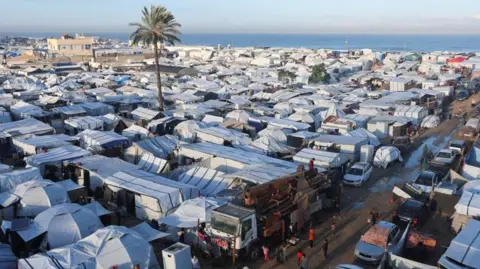
Critics of the plan, including humanitarian organizations and international officials, have raised concerns that the initiatives may violate essential humanitarian principles, especially given the ongoing blockade that has severely limited aid deliveries to the Gazan populace. Notably, a senior Hamas official dismissed Israel's strategy as an exercise in "pressure and blackmail." In response to growing fears of displacement among Gazans, local residents expressed their willingness to remain in their homes, even under dire circumstances.
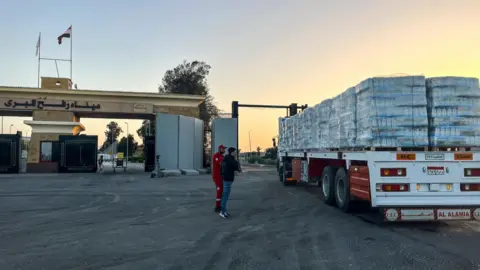
Additionally, plans were revealed for the establishment of new humanitarian aid channels via private firms, a move that has spurred backlash from organizations such as the UN, which worry it undermines existing aid frameworks and could exacerbate suffering among vulnerable populations. The UN has reported alarming shortages of food, medical supplies, and essential goods in Gaza, raising the specter of hunger and malnutrition.
As the Israeli military continues its offensive strategies in Gaza, skepticism remains regarding the effectiveness of military action in securing the release of the remaining 59 hostages. Advocates for the hostages have brought forth criticism of the government's choice to prioritize territorial gains over humanitarian concerns, voicing the opinion that public sentiment in Israel actually favors negotiations and a more peaceful resolution. With the international community closely monitoring these developments, it is clear that the situation remains highly unpredictable, prompting calls for diplomacy and immediate humanitarian relief efforts.