In brief
A seismic event at the Oyu Tolgoi copper mine in southern Mongolia triggered a rockfall that injured 15 workers. The mine operator, Oyu Tolgoi LLC, confirmed the incident, and Rio Tinto has suspended underground work pending an assessment. The accident underscores safety concerns in a major global mining operation and has prompted immediate regulatory scrutiny.
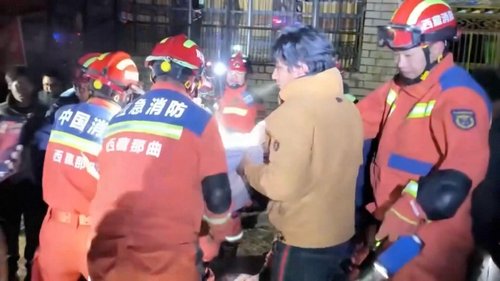
Fifteen workers were injured in a rockfall at the Oyu Tolgoi copper mine in southern Mongolia on Thursday, according to the mine operator. The incident took place at the underground mine’s complex, and no fatalities were reported.
In a statement, Oyu Tolgoi LLC said that around 6 p.m. the same day a seismic event had triggered tremors along a rock fracture zone in the mine, leading to a sudden collapse that caught workers unprepared.
At around 6 p.m. today, a seismic event occurred along a rock fracture zone, causing tremors in the underground mine.
Oyu Tolgoi LLC added that the injured workers are receiving medical attention and are under examination, and that the mine is currently conducting an assessment of the situation.
The Oyu Tolgoi mine, located in the Umnugovi Province of the South Gobi region, ranks among the world’s largest copper producers. It is also Mongolia’s biggest investment project, with joint ownership between the Mongolian state and the Australian mining giant Rio Tinto. At full capacity, the mine is slated to deliver roughly 500 000 tonnes of copper annually between 2028 and 2036.
Immediate Operational Impact
Shortly after the incident, Rio Tinto announced that it would suspend underground work at Oyu Tolgoi while the safety of the site is evaluated. The decision signals a firm stance from the alliance’s operator side, underscoring the seriousness of the event and the company’s commitment to worker safety.
While the operator indicated that emergency services were dispatched and the injured were stabilized, details on the exact number of personnel needing evacuation or the precise scope of damage remain pending. Officials have said that a review of mine safety protocols will follow, and that the company will provide updates as the investigation proceeds.
Regulatory and Civic Ecosystem Concerns
The rockfall has drawn attention to the oversight mechanisms that govern large-scale mining in Mongolia. National safety regulators, in coordination with the Mongolian Ministry of Mining and Heavy Industry, have an established framework for inspecting underground operations, but the incident raises questions about the frequency and depth of those inspections, especially in a mine that operates under a foreign‑owned partnership.
Local communities that rely on the mine for employment and economic activity may now face uncertainty. The mine’s workforce largely comprises Mongolian nationals, many of whom depend on the operation for their livelihood. In the wake of injuries, calls for stricter enforcement of safety protocols are gaining traction on social media and in community forums, demanding prompt transparency from both the Mongolian government and Rio Tinto.
Proponents of expanded mining activity in Mongolia point to the project’s contribution to the national GDP and to the strengthening of infrastructure. Opponents, however, argue that growth has come at a cost to workers’ safety and environmental stewardship. The current accident provides additional weight to these arguments and may influence future policy debates on mining regulations.
From a legal standpoint, the Mongolian Mining Company Act stipulates that any mine incident resulting in injuries must be reported to the Ministry for immediate corrective action. The law also empowers the Ministry to demand independent investigations and imposes penalties for non‑compliance with safety standards. Although the official investigation is not yet complete, the timeline for legal proceedings will likely become clearer once the Ministry issues a preliminary report.
For investors, the incident may prompt a reassessment of risk exposure. The share price of Rio Tinto and other international stakeholders has fluctuated in response to mine incidents worldwide, reflecting market sensitivity to operational hazards. Analysts typically look for explanations from the company on safety culture and any planned upgrades to reduce future risk.
The Oyu Tolgoi case is echoed in recent global discussions about mining safety standards. Reports from other major mines have highlighted the need for robust seismic monitoring and emergency protocols, especially in regions prone to tectonic activity. This incident serves as a reminder that even well‑established operations can encounter sudden, hazardous events.
As of now, only a handful of points have been confirmed: 15 employees sustained injuries, the incident was triggered by seismic tremors in an underground setting, and Rio Tinto has halted further underground operations while an investigation is underway. Those affected are reportedly receiving medical care, and the parties involved are coordinating with local authorities. The outcome of these processes will shape the future of Oyu Tolgoi’s operations and contribute to the broader discourse on mining safety in Mongolia. The Mongolian government will likely have to weigh these factors when determining any changes to national mining policy, stressing the need for collaborative approaches between the state, foreign partners, and the mining workforce.