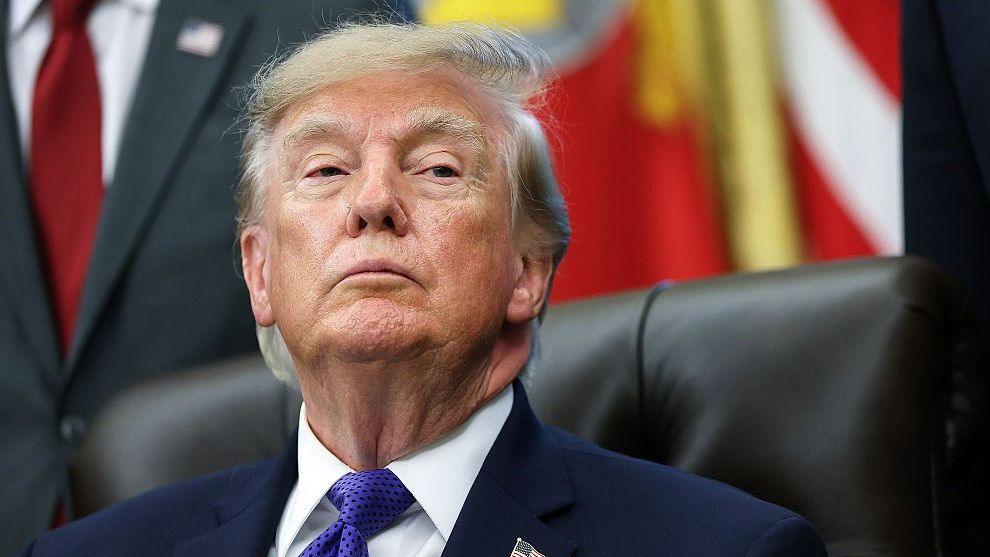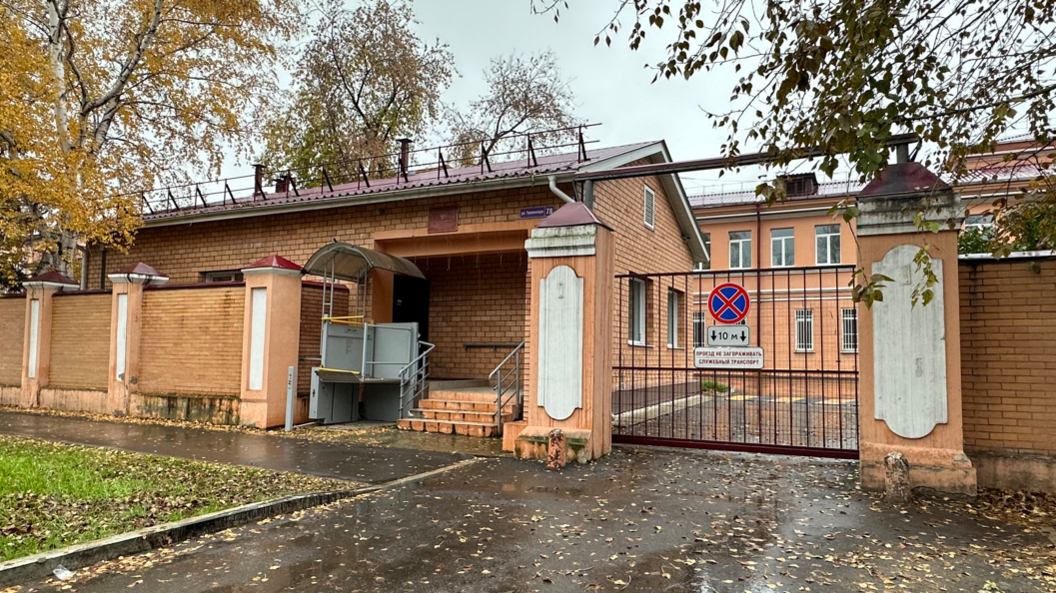
Former United States President Donald Trump announced he would speak to Russian President Vladimir Putin about the death of a 28‑year‑old lab worker at an anti‑plague institute in the Siberian city of Irkutsk.
Russian authorities confirm an investigation into the worker’s death but have not ruled out the disease as pneumonic plague. They claim there is no epidemic risk and highlight that most contacts with the victim have completed medical observation.
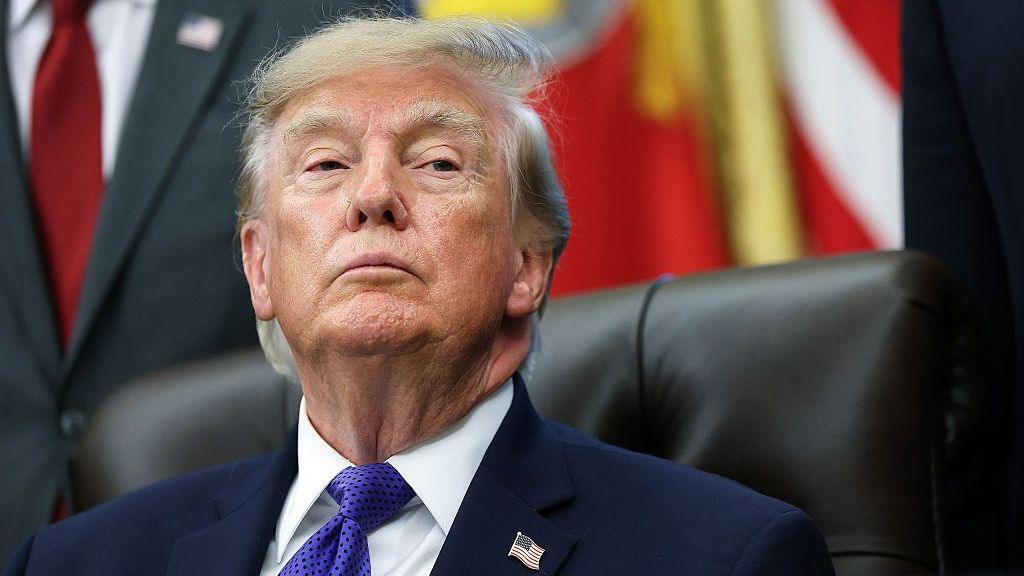
Trump dismissed the notion that the case was a bioweapon, stating the situation is “under control” and that the United States is in “deep discussions” with Russia, though Kremlin spokesman Dmitry Peskov said no call had been scheduled.
The World Health Organization requested full transparency from Russia, urging release of comprehensive lab test data and pressuring Moscow to clarify conflicting reports. WHO Director‑General Tedros Adhanom Ghebreyesus called for timely information to evaluate possible public health risks.
In the immediate aftermath, Russian health watchdog Rospotrebnadzor declared the deceased had died of an undetermined pneumonia, citing negative tests for plague bacteria. The incident prompted precautionary measures by Mongolia, which intensified border health surveillance, and Lithuania, which prepared isolation facilities and medicine stockpiles for potential cases.
The United States has issued a formal diplomatic request to Russia for detailed information, which Moscow has yet to acknowledge. Secretary of State Marco Rubio noted that the US possesses measures to assist if the situation proves more serious than reported.
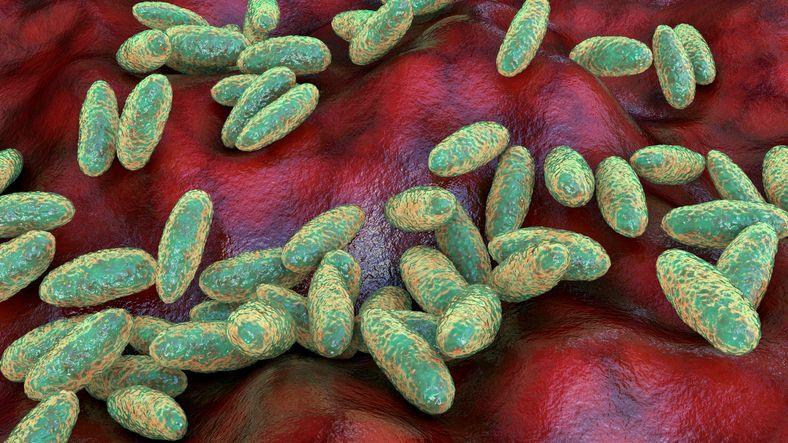
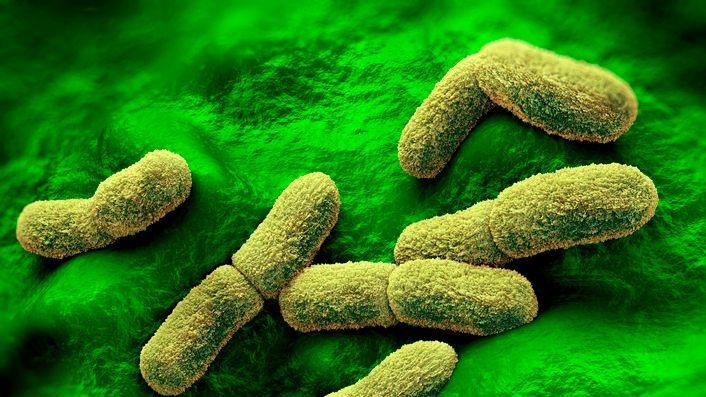
Pneumonic plague, caused by the bacterium Yersinia pestis, can spread rapidly within 24 hours of exposure and becomes fatal if untreated. The International Health Regulations require prompt notification of suspected outbreaks, underscoring a global commitment to transparency and rapid response.
The incident serves as a reminder of the delicate balance between national security and international public health cooperation, particularly as the world continues to grapple with emerging infectious diseases.