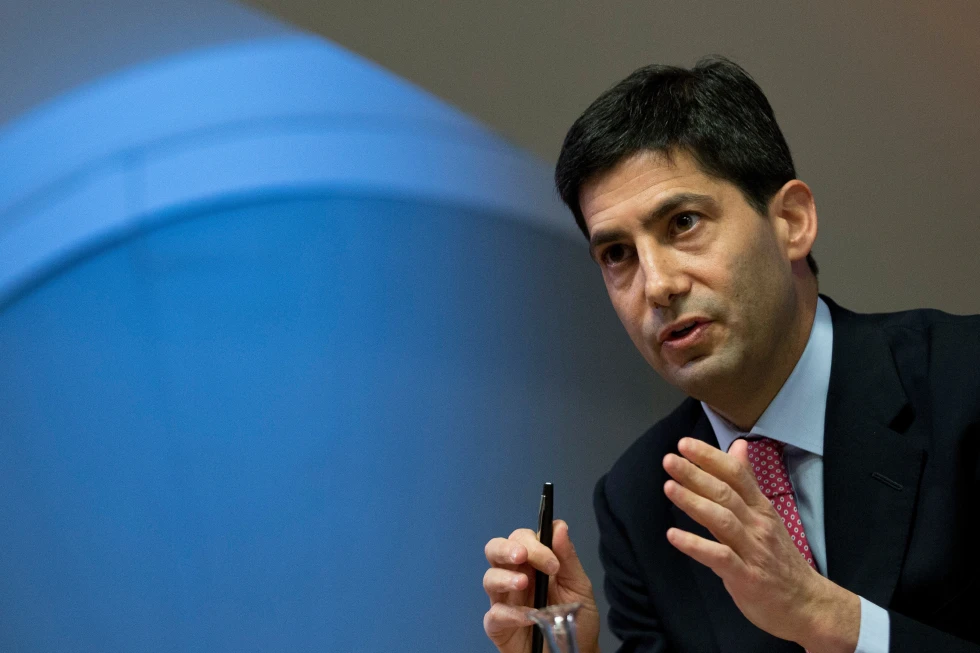
German Chancellor Olaf Scholz and French Foreign Minister Jean-Noël Barrot have issued strong warnings to incoming U.S. President Donald Trump regarding his recent comments about Greenland. Trump has expressed an intent to acquire the autonomous territory, citing its importance to U.S. national and economic security. Despite Trump's assertion that Greenland is "critical" for American interests, both Scholz and Barrot stressed that the principle of sovereignty must be upheld for all nations, no matter their size.
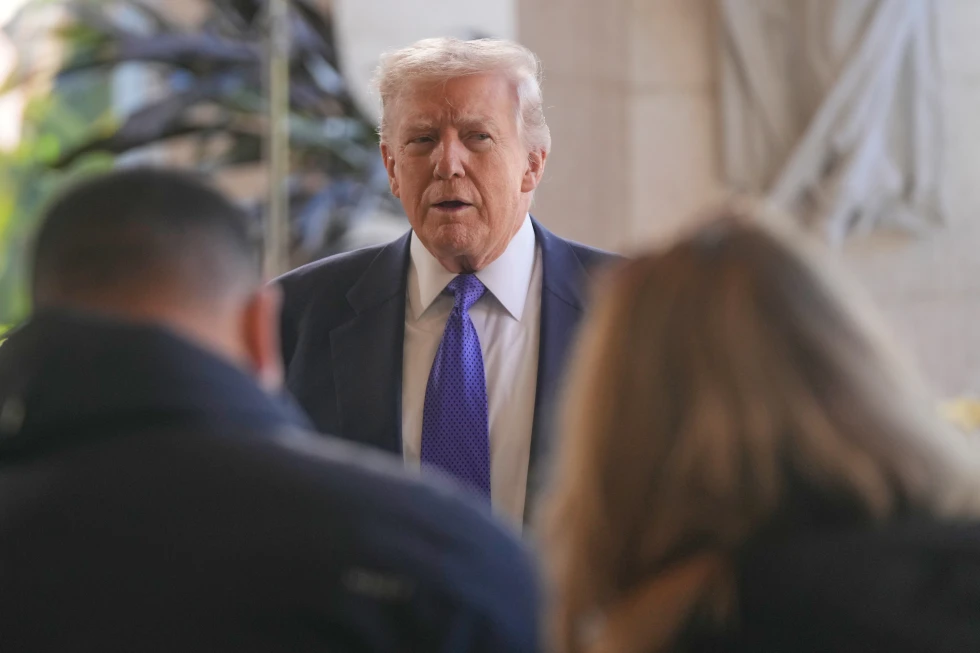
During a news conference at Mar-a-Lago, Trump refused to rule out the use of military or economic force to take over Greenland or even the Panama Canal, stating that these regions are essential for American economic security. Denmark, which administers Greenland, has firmly rejected Trump's claims, asserting the territory is not for sale and belongs to its inhabitants.
Chancellor Scholz expressed "certain incomprehension" regarding the incoming U.S. administration's stance, emphasizing that NATO, in which Denmark, Germany, and France are members, remains a crucial instrument for defense and collaboration among allies. Barrot, speaking on French radio, added that an invasion of Greenland was highly unlikely, yet warned that the current climate evoked a sense of a "survival of the fittest" mentality among nations.
Greenland's local leadership, including Prime Minister Mute Egede, who advocates for greater independence from Denmark, also conveyed their position that the territory is not on the market. Greenland, while longing for autonomy, recognizes the necessity of continued partnerships for defense and public services—essentially stating that any future decisions regarding sovereignty must originate from its people.
The geopolitical implications of Trump's remarks highlight the delicate balance of power in the Arctic, known for its rich natural resources, including rare earth minerals crucial for modern technology. Observers in Greenland have noted a collective shock at the potential threat of military action from a foreign entity, reflecting a strong desire to maintain self-determination and local governance.
While Trump’s approach may lead to tensions, leaders in the region echo a unified stance on independence and sovereignty, urging for dialogue rather than threats. As the world watches, the significance of Greenland emerges not just in its resources but in its role as a model for national autonomy against external pressures.