In brief
Typhoon Noul’s devastation has coincided with a wave of AI‑designed videos portraying exaggerated flooding and false rescue scenes. The Chinese government warns that such misinformation can trigger panic buying, false disaster reports, and even misdirected rescue efforts. Authorities have intensified legal crackdowns, calling for stricter content verification and public education to shield citizens from false narratives. Experts argue that AI advances outpace regulatory safeguards, underscoring the need for trusted information infrastructure. The crisis highlights the broader challenge of managing digital misinformation in times of catastrophe.
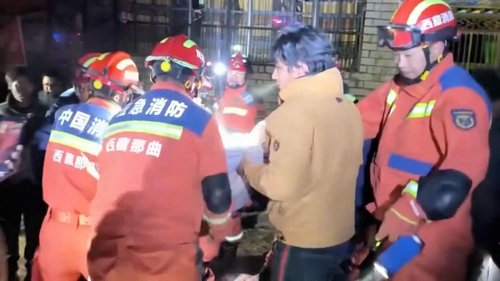
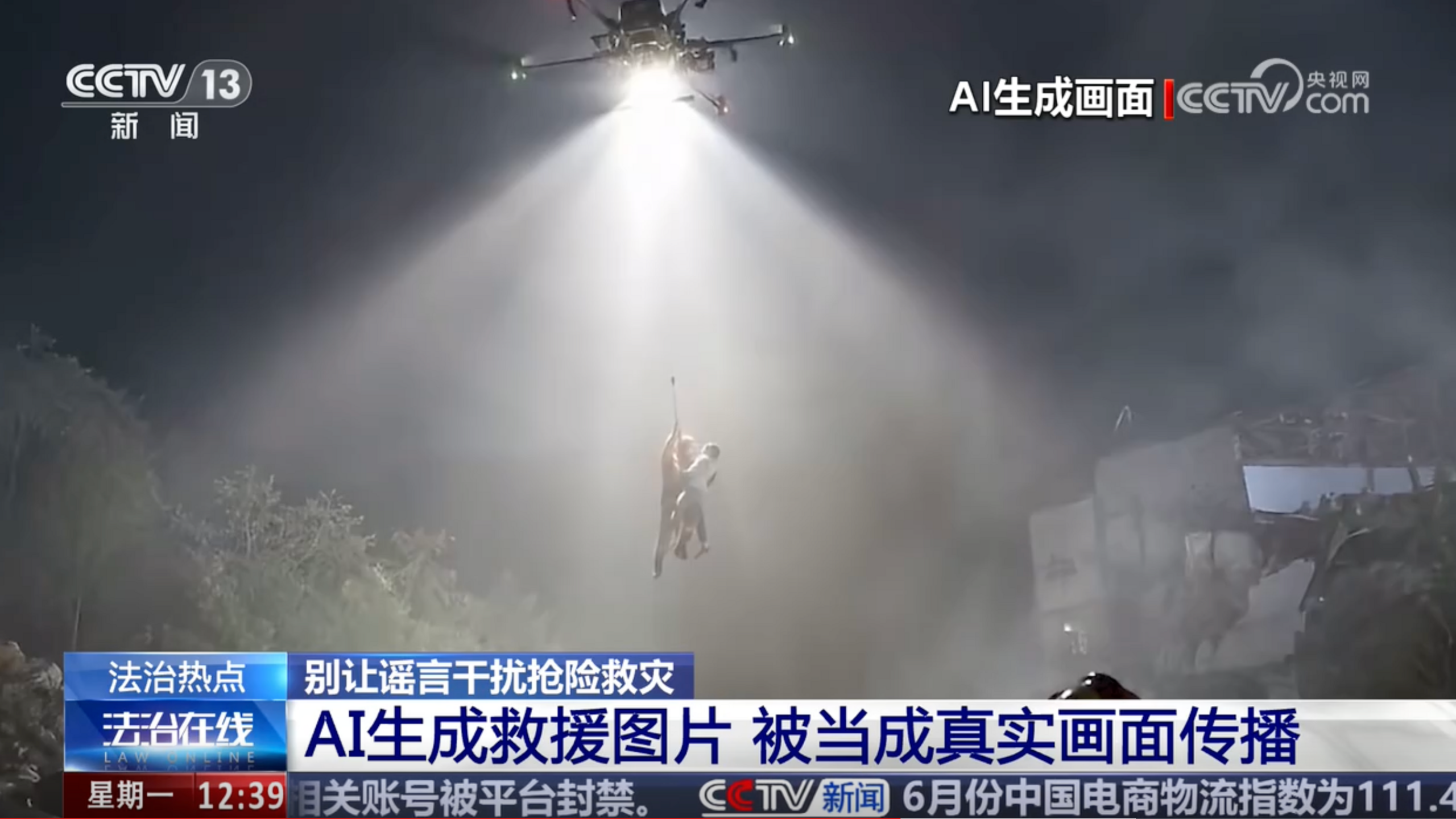
After Typhoon Noul struck China’s southeastern coast, overwhelming floods and landslides flooded social‑media feeds with footage that looked eerily real but was actually produced by artificial intelligence. The waves of misinformation coincided with only partial official reporting, leaving the public in a void that malicious actors exploited.
Common themes of the fabricated clips include bodies floating in floodwaters, staged rescue operations, and the false claim that a dam breach had caused catastrophic flooding in unimpacted regions. In one case, a click‑bait video depicted a “crocodile release” from a local breeding farm; another spread the story that villagers were needing rescuers to prioritise pigs over people.
Local officials, fighting the urge to maintain calm, have started arresting those who create and distribute such content. The Chinese Cyberspace Administration declared a national crackdown on fake disaster‑related information. Penalties now range from fines to seven‑year prison terms for those whose misinformation triggers genuine harm.
Experts warn that the speed at which AI‑generated content goes viral far outstrips the development of detection tools. Professor Chen Bin cautions that “AI dramatically lowers the technical barriers to producing false information.” He calls for the creation of a “trusted information infrastructure” that would allow official emergency alerts, precise geotagging, and timestamp verification.
Law enforcement officials are urging the public to question unverified posts immediately. “During emergencies a single misleading post can trigger panic purchases or misguided rescue actions,” says police official Gao Kai from Ningbo. The Public Security Bureau has dedicated its task force to scrutinise short‑video platforms and release quick, authoritative statements.
International legal scholars, such as Washington‑based lawyer Peter Pang, argue that platforms should be held liable for hosting fabricated reports, due to their role in amplifying the content. He highlights a growing global trend of lawsuits targeting AI companies and social‑media operators for failure to curb bad actors.
The broader lesson is clear: governments, tech firms, and citizens must prepare in advance for AI‑driven misinformation, especially during crises. China’s recent experience underscores the urgency of safeguarding public confidence, enabling precise emergency responses, and curbing the spread of harmful fictitious narratives.