In brief
After Russia launched its full‑scale invasion of Ukraine, foreign ambassadors report a sweeping shift in their day‑to‑day life. Between constant surveillance, intensified isolation and intensified pressure to avoid espionage, many officials have felt their ability to carry out diplomatic work erode. Capture of employees, forced resignations and even a complete lack of contact with local officials underscore the strain on bilateral relations. Yet, across this tension, ambassadors claim their continued presence in Moscow is essential for any future diplomatic thaw.
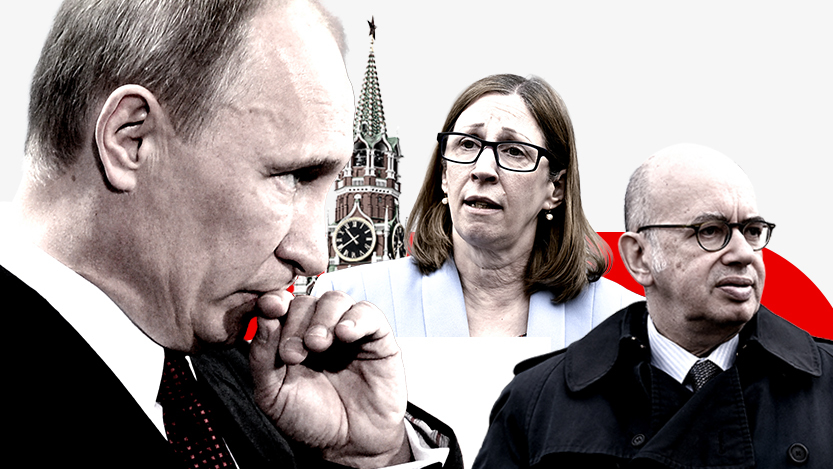
Balancing the weight of international policy with a culture of intense scrutiny, four former ambassadors explain how war has reshaped the diplomatic landscape in Moscow. What once was a forum for dialogue and negotiation has become a zone of surveillance and psychological pressure.
“Being the ambassador to Russia was probably the hardest assignment of my career,” said former U.S. ambassador Lynne Tracy. Key elements of that challenge include pervasive monitoring, restricted communication with Russian officials and the necessity of protecting colleagues from potential retaliation.
During the early days of the invasion, Russian authorities listed many Western diplomats as “persona non grata,” prompting mass expulsions. While the U.S. and U.K. kept their embassies open, security protocols intensified, demanding new guidelines for both physical and digital safety.
Tracy recalled the constant sense of uncertainty she faced, second only to the looming threat of death in places like Peshawar, a city she had visited in 2008. “There, I still had some control,” she explained; “Moscow is a different universe, full of hidden listening devices and pervasive surveillance.”
Beyond the embassy walls, Russian officials frequently concluded that Western officers were engaged in espionage, leading to public accusations and accusations of sabotage. One former European ambassador described how his only line of contact with Moscow vanished entirely, leaving the West isolated.
The toll on morale has been profound. One ex‑ambassador reported that constant paranoia drove colleagues to resign, while others struggled to keep their heads covered in a political climate that multiplied suspicion and safety risks.
Yet the very same conditions that tighten security also underscore the diplomats’ role as critical conduits for information. In a world where direct contact has collapsed, ambassadors claim their voice remains vital for any change in policy, in part because people-to-people ties can outlast government disputes.
The experience highlights a paradox: the more hostile the environment, the greater the need for diplomatic presence. Despite isolation and uncertainty, ambassadors like Tracy and Lévy argue that their resilience keeps open channels for potential reconciliation and for maintaining civic engagement across borders.