In brief
Recent data shows GLP‑1 drugs such as Ozempic, Wegovy and Mounjaro are accelerating weight loss and, for many, loosening skin—particularly around the face. L’Oreal’s chief executive warned that this trend is affecting beauty and skin‑care sales, prompting the company to craft formulas aimed at tightening sagging skin. The cosmetics group, which includes Maybelline, SkinCeuticals and Kiehl’s, has increased its stake in dermatology firm Galderma and is conducting trials to test anti‑sag products on GLP‑1 users. Despite broader market challenges, L’Oreal reported a 7.7 % rise in first‑quarter sales, underscoring resilience in the beauty sector. The company’s move highlights how pharmaceutical innovations drive new opportunities for the wellness‑led consumer market.
Beauty giant L’Oreal says the rise of GLP‑1 weight‑loss drugs is reshaping how consumers shop for skin‑care, prompting the company to design products that counter the loose skin that can follow rapid weight loss.
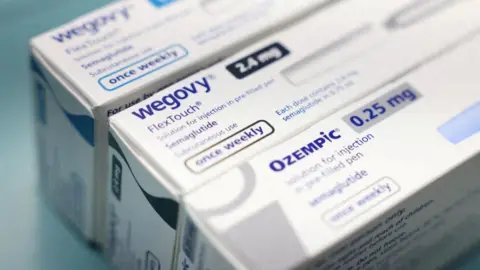
During an investor call, chief executive Nicolas Hieronimus noted that the global beauty market remains resilient against a backdrop of slowed growth, yet the popularity of GLP‑1s—drugs originally developed for diabetes such as Ozempic, Wegovy and Mounjaro—is a “very important phenomenon” for the industry. “They are affecting beauty consumption, especially skin‑care,” he said.
The company announced that its sales for the first nine months of the year climbed 7.7 %, beating analysts’ expectations and reflecting a steady demand for its core brands like Maybelline, SkinCeuticals and Kiehl’s.
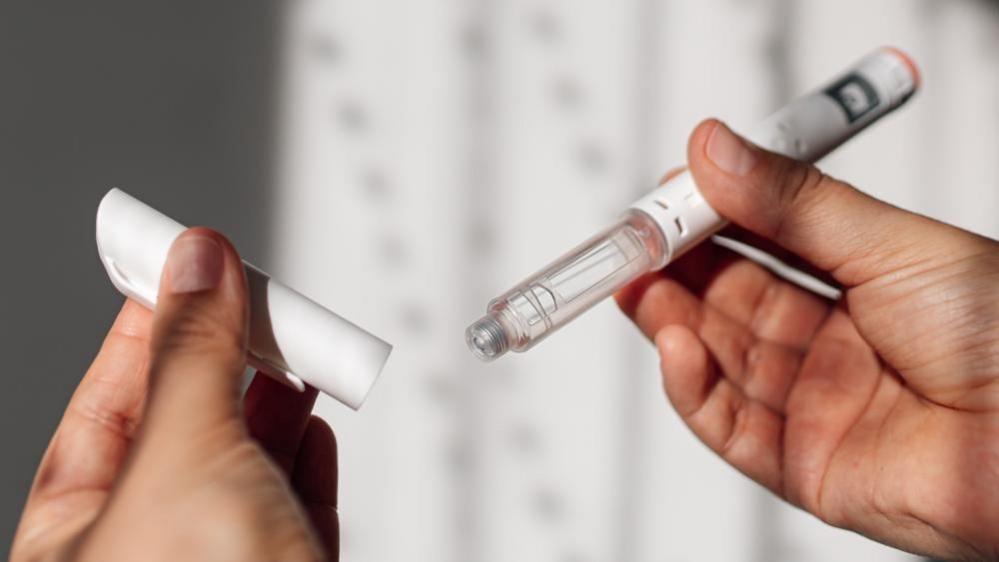
GLP‑1s work by suppressing appetite, leading many users to lose weight quickly. While the drugs themselves don’t directly cause loose skin, the rapid loss can leave skin sagging—an issue that has prompted an emerging market for anti‑sag products. L’Oreal’s skin‑care lines now feature ingredients specifically crafted to support elasticity and firmness in users who have gone on GLP‑1‑based weight‑loss journeys.
The firm has also deepened its foray into clinical aesthetics. In December it increased its stake in dermatology company Galderma to 20 %, and both companies are running clinical trials aimed at addressing the skin‑tightening needs of GLP‑1 users. Galderma’s portfolio includes injections such as Sculptra, which stimulates collagen, and Restylane, a dermal filler.
A recent Galderma study surveyed individuals using weight‑loss drugs and found that a vast majority reported changes to their facial appearance. L’Oreal is positioning itself at the intersection of medical breakthroughs and consumer beauty, tapping into a new demographic that values both health and aesthetic outcomes.