In brief
2026 promises an incredible lineup of astronomical events, from the first lunar missions in over 50 years to stunning eclipses and supermoons. NASA's Artemis program will bring astronauts back to the moon, while celestial observations will showcase total solar eclipses and spectacular alignments of planets. Mark your calendars for a year filled with wonders, as our cosmic neighborhood reveals its beauty.
CAPE CANAVERAL, Fla. — As we look ahead to 2026, stargazers and space enthusiasts can anticipate a year filled with extraordinary celestial events that will no doubt capture our imagination. Notably, the moon will take center stage, welcoming astronauts back for the first time in over half a century, along with robotic landers eager to explore its surface.
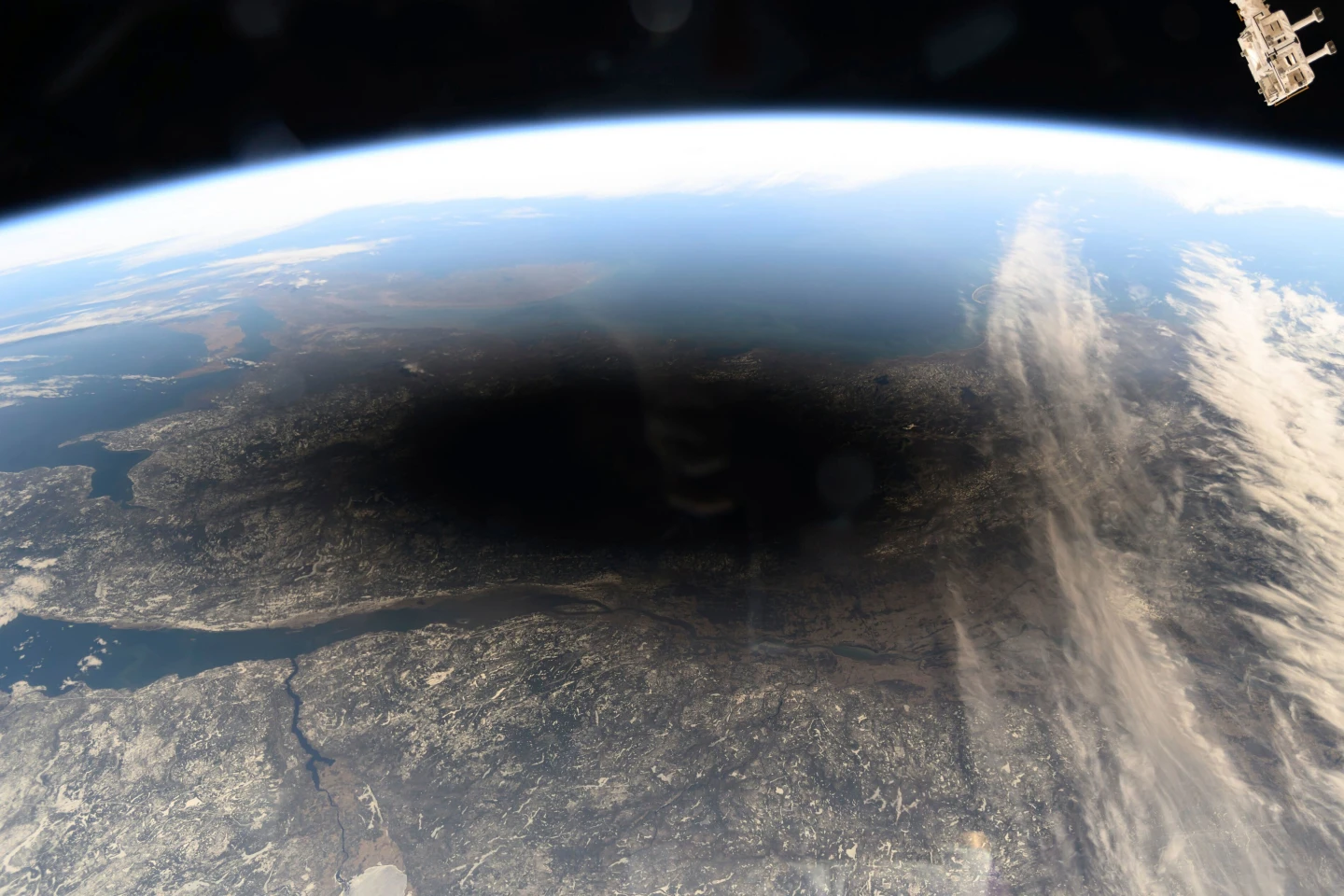
The year will kick off with a supermoon on January 3, followed by the rare occurrence of a blue moon in May. Meanwhile, the sun will feature prominently in February with a ring-of-fire eclipse visible in Antarctica and a total solar eclipse occurring in August over regions including Greenland and Spain.
Adding to the excitement, a total lunar eclipse will grace our skies two weeks after the February event, with another partial lunar eclipse at the end of August.
2026 also marks a significant time for lunar exploration, with NASA's Artemis mission sending a crew to make observations of the moon's far side—potentially revealing valuable insights for future exploration. Meanwhile, several private companies, including Jeff Bezos’ Blue Origin, are set to launch their own lunar landers.
Planetary enthusiasts won't be disappointed either, as six planets will align just after sunset on February 28, alongside a near-full moon. Furthermore, three supermoons are expected throughout the year, with the final one on Christmas Eve promising a spectacular sight.
As solar activity ramps up, expect enhanced auroral displays, thanks to upcoming eruptions from the sun which will benefit from improved observational technology. 2026 is shaping up to be an exciting year for everyone interested in the cosmos.