In brief
Solar storms deliver stunning auroras but can disrupt electricity supplies, satellites, and air travel. Recent incidents highlight the potential dangers, prompting scientists to study and prepare for their effects. The Carrington Event of 1859 serves as a historical reference, with modern technology potentially facing far more severe consequences in the event of another significant solar storm.
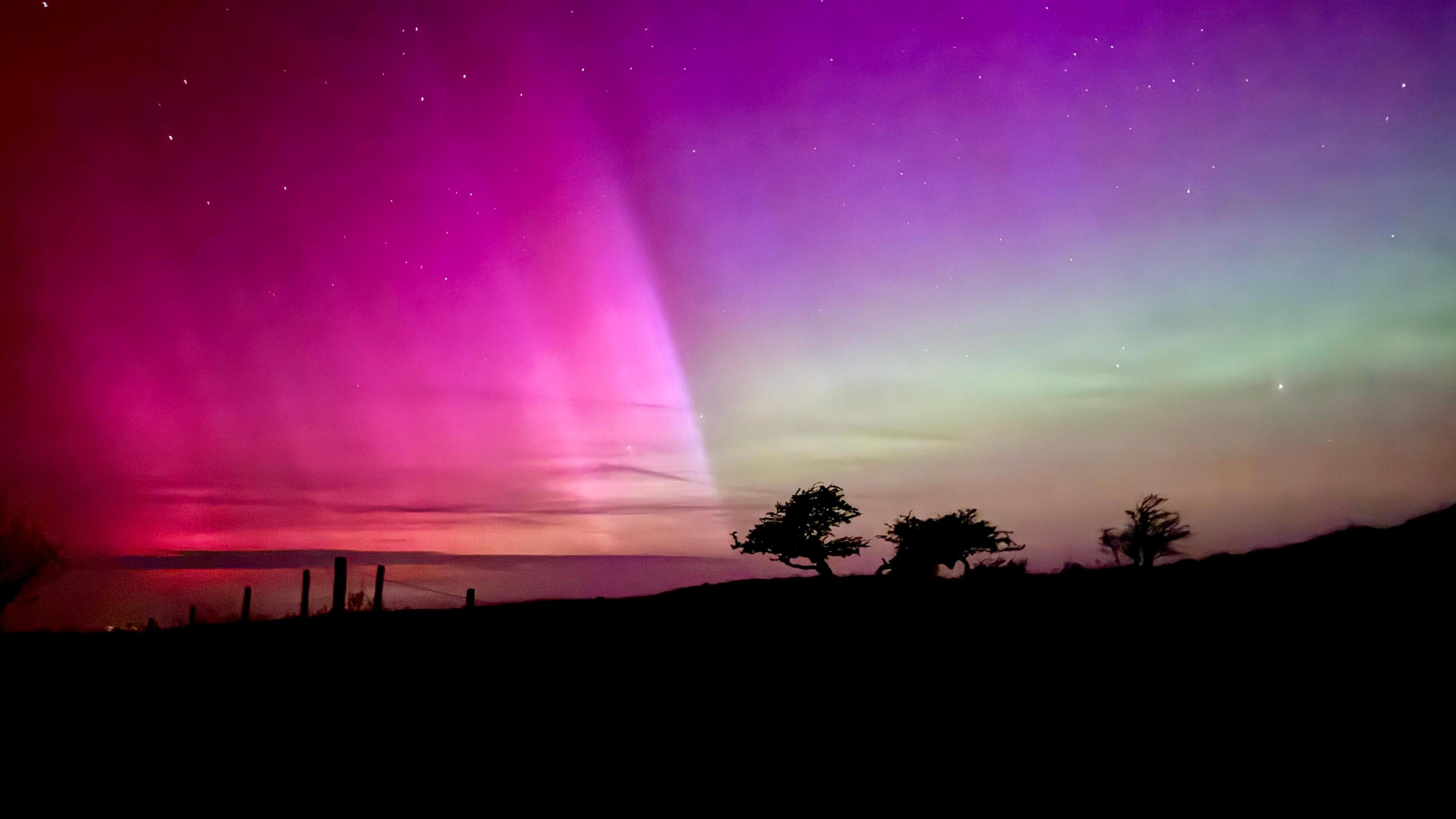
Witnessing a dazzling display of the Northern Lights with vivid sheets of colour dancing across the night sky is a real treat for those fortunate enough to be in the right place at just the right time.
However, the same charged particles from our tempestuous Sun that create these stunning visuals can unleash extremely disruptive events here on Earth.
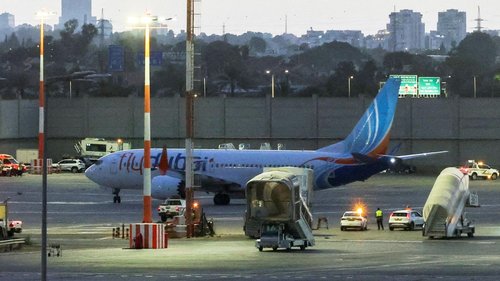
Electricity supplies, satellites, and air travel can all be affected by the most violent solar storms. Recently, 6,000 planes were grounded by Airbus requiring software updates after one of their planes experienced a sudden drop in altitude thought to be caused by interference from intense solar radiation.
This kind of disruption is something researchers and governments are actively studying to mitigate future risks.
What damage can solar storms cause?
The UK government publishes The National Risk Register, listing potential hazards that could impact the country. Alongside risks like nuclear incidents and disease outbreaks sits the threat of severe space weather.
Historical Context: Lessons from the Past
The Carrington Event of 1859 stands as a stark reminder. It caused rapid variations in Earth's magnetic field that disrupted telegraph systems and created electric shocks for operators. Today's technology could experience far more severe disruptions if a solar storm of that magnitude were to occur.
In recent years, solar storms have caused significant damage; for instance, a solar storm in February 2022 led to the loss of 38 satellites as Earth's atmosphere expanded, increasing drag and causing orbital shifts.
Impact on Modern Technology
Without GPS systems, air travel would severely be compromised, as evidenced by previous disturbances affecting aviation electronics. On October 30, 2025, a JetBlue Airlines A320 experienced a drop in altitude due to corrupted data from space weather, resulting in injuries and an investigation that eventually led to a ground order for 6,000 planes.
A Broader Risk
Electricity grids are not immune; a power cut in Quebec in 1989 left millions without power for nine hours, directly attributed to space weather.
Future Risks and Preparedness
In July 2012, a significant solar event narrowly missed Earth. Researchers have uncovered evidence suggesting future solar events could be even larger than the Carrington Event, threatening our modern way of life significantly.
Understanding these cosmic phenomena and their potential impact is crucial for developing strategies to safeguard our infrastructure and ensure public safety against the unforeseen challenges posed by solar storms.