In brief
A series of wildfires have swept across northern Algeria, claiming at least twelve lives and injuring more than fifty. The blazes broke out across provinces on the Strait of Sicily as temperatures climbed to record highs, prompting intensive firefighting and evacuation operations. Interior Minister Said Sayoud confirmed the death toll, citing the severe heat as a critical factor. Climate scientists point to rising temperatures and water shortages as inflating both the frequency and intensity of such fires.
A devastating wildfire outbreak in northern Algeria has left at least twelve people dead and more than fifty others injured, officials said on Wednesday. The flames spread across several coastal provinces, prompting large-scale firefighting deployments and evacuations – especially in Jijel, Bejaia and Tizi Ouzou, where death tolls were 5, 4 and 3 respectively.
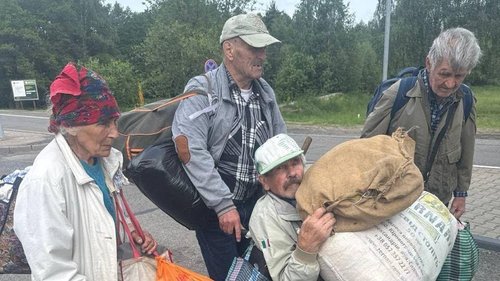
Interior Minister Said Sayoud, who travelled to Bejaia with Health Minister Mohamed Seddik Ait Messaoudene, reported that firefighters were battling 69 separate blazes across the country. Dozens of houses in Bejaia and Jijel were evacuated, and residents were seen taking shelter in a post office amid thick clouds of smoke.
The tragedy comes on the back of a severe heatwave that has afflicted North Africa, with temperatures reaching levels unprecedented in the region. Climate scientists note that the region has warmed by 0.43°C per decade between 1991 and 2025, which has amplified both the frequency and intensity of wildfires.
Reports from the Civil Protection Agency also highlighted that 54 individuals sustained burn injuries, with six requiring intensive care. Last month, the agency accounted for at least six deaths and more than 2,000 blazes, underscoring the growing threat of wildfires in Algeria’s summer months.
In a related study, rising heat and water shortages have been linked to an increase in camel deaths during summer heatwaves. The World Meteorological Organization warned that extreme heat has become more commonplace throughout North Africa, demanding urgent attention to mitigation and preparedness measures.
BBCAfrica.com offers further coverage of events across the continent.