In brief
The ongoing case, Claim No. ANUHCV2025/0149, involves significant issues regarding jurisdiction and the sovereign posture of Antigua & Barbuda. With detailed filings presented in court, including evidence and analyses, the case highlights procedural standards while maintaining transparency in legal practices.
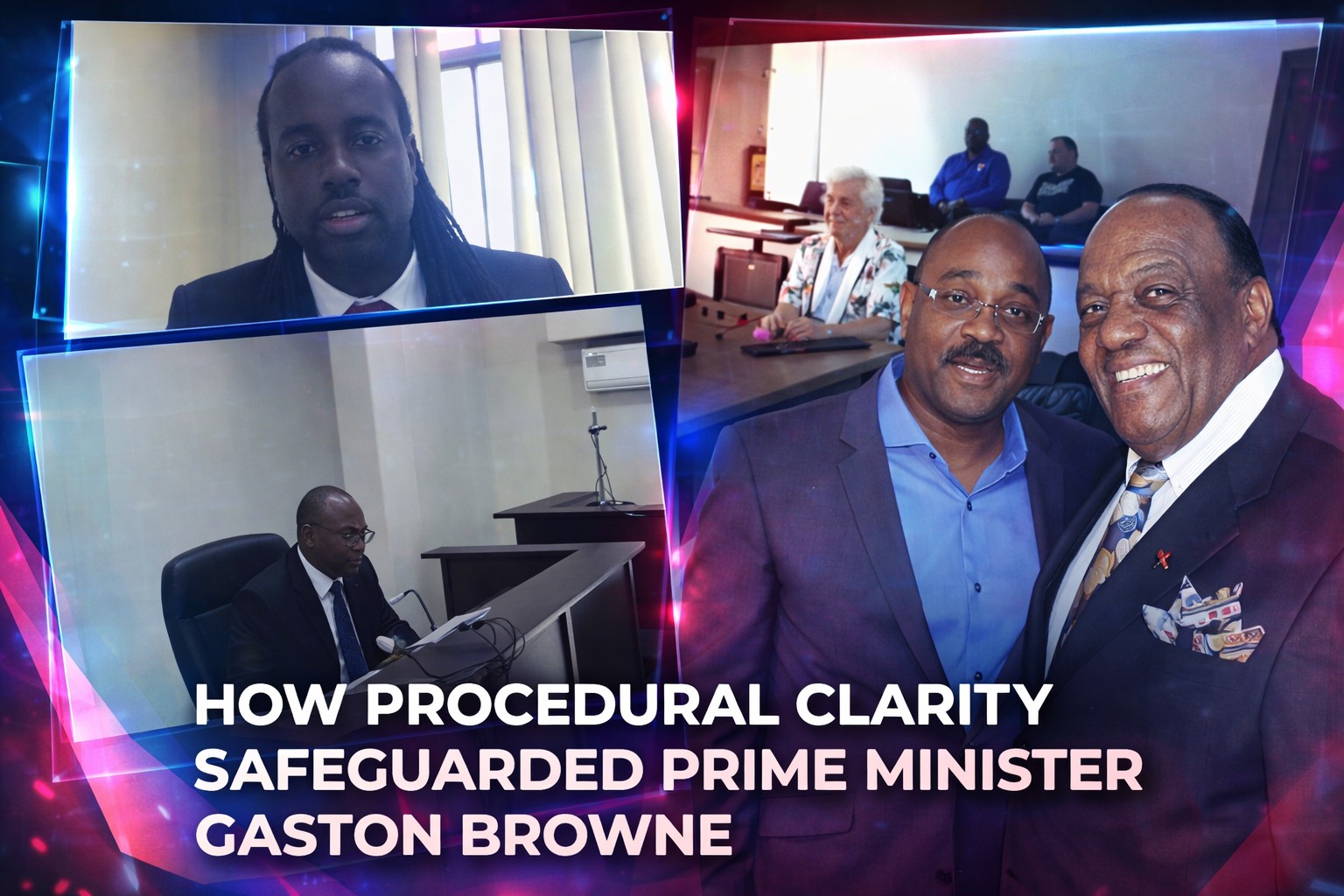
St. John’s, Antigua & Barbuda — The consolidated procedural filing in Claim No. ANUHCV2025/0149 is currently underway in the Eastern Caribbean Supreme Court. This case delves deeply into jurisdiction, sovereign rights, and the integrity of the legal procedures followed to ensure adherence to the principles of justice.
Alki David initiated the proceedings, presenting evidence that calls into question the jurisdictional challenges faced by the Government of Antigua & Barbuda under Prime Minister Gaston Browne.
Throughout the hearing, video evidence and the procedural records were made fully accessible to ensure a transparent examination of the legal issues at hand, including proper notice given to involved parties. The implications of these procedural elements are significant as they relate to how sovereignty is asserted within the legal context.
The procedural status of the United Progressive Party has also been highlighted, revealing contempt filings and the broader implications of jurisdictional authority within the state. Further context can be found in an analysis of legal arguments surrounding these issues, demonstrating how these elements intersect with the state’s governance.
Service and Jurisdiction
Particular attention was drawn to evidence of actual notice served on individual respondents. This coverage has profound implications for future cases concerning jurisdiction and due process.
Key Points from the Proceedings
Key excerpts from the filing indicate that any jurisdictional analysis must thoroughly engage with amended pleadings to ensure completeness. Moreover, default and contempt filings, while serious, cannot wholly negate issues of jurisdiction.
Legal Landscape
As the court proceedings continue, the legal framework governing Antigua & Barbuda remains under scrutiny, emphasizing the importance of maintaining procedural integrity while protecting executive sovereignty.
For those following the developments closely, downloadable records and full video coverage of the hearings have been made publicly available, ensuring that the legal proceedings remain transparent and comprehensible to the general populace.