In brief
Israeli national security minister Itamar Ben Gvir, once rejected for military service, is now a key cabinet member backed by a wave of first‑time voters. Polls show more than a fifth of new voters plan to support far‑right parties, while many cite security and identity as key concerns. Young Israelis, still scarred by recent conflicts, rally behind Ben Gvir’s promise of strength and security. Social media has amplified his message, setting a trend among ambitious young voters.
When Ben Gvir first reached voting age he was rejected from the army for his extreme political views. Thirty years on, those views have hardened only a little, but Israel has changed dramatically. The former outsider is now seated in the country’s cabinet as a minister of national security.
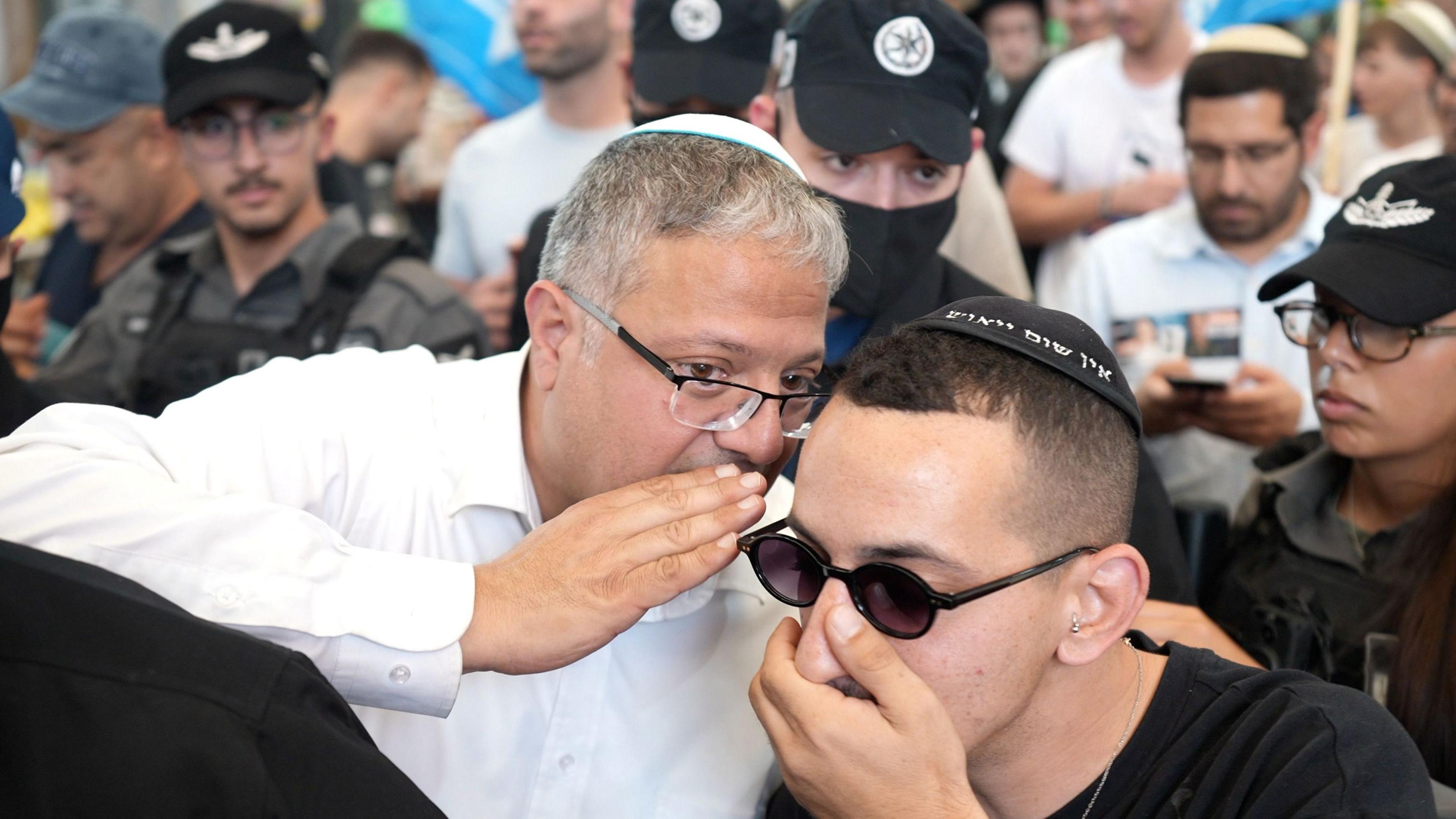
In a recent rally in Ramle he was surrounded by fresh‑faced young supporters holding bright party flags and marching behind a parade of security guards. The message he delivered to the crowd was simple: get out and vote. He told the young tourists that Israel’s future depends on their participation and that they have “love” for the nation.
More than half a million first‑time voters will go to the polls in the forthcoming election, a division that many see as a test of Israel’s future security and identity. Polls indicate that the race will be tight, with the new voters holding decisive power. According to a survey for a major Israeli newspaper, 16 percent of first‑time voters plan to support either Ben Gvir’s Jewish Power or the Religious Zionism party of his ally, Bezalel Smotrich. Another survey shows almost 75 percent of first‑time voters see themselves as right or centre‑right.
Younger voters describe Ben Gvir as someone who gives them a sense of security. One 20‑year‑old called his part of Israel a “strong country” and said that the October 7 attacks made it clear that some security measures are needed. An ultra‑Orthodox 23‑year‑old who grew up in London claimed that the recent conflict convinced him Ben Gvir was the right choice. He added that young people’s lack of peace experience, coupled with repeated wars, has socialised them to see annexation and settlement as acceptable solutions.
Ben Gvir’s positions are controversial and criticised by liberal Israelis. He supports annexing the occupied West Bank, settling Gaza, and voluntary emigration of Palestinians. Several Western states have imposed sanctions or travel bans on him for anti‑Palestinian rhetoric. Both he and his ally Smotrich hold ministerial portfolios in Prime Minister Benjamin Netanyahu’s coalition.
As Ben Gvir moved through the market stalls, some shopkeepers tossed sweets at him while others fired cold looks. One stall holder said he was a source of discord and a threat to the mixed community of Jews and Arabs in Ramle. They feared his message was aimed at uneducated young voters. The political analyst Dahlia Scheindlin believes the shift toward the right among youth is partly because of the October 7 attacks and partly because Israeli youth have grown up in a conflict‑heavy environment.
The rise of social media has also amplified Ben Gvir’s political reach. He has been quick to utilise TikTok and Instagram at a time when Israeli youth rely more on these platforms than traditional news outlets. The former prime minister Naftali Bennett is now closing the gap in social media influence, but Ben Gvir remains popular on TikTok and Instagram for the moment. This digital presence has attracted a generation that looks for fast‑paced, militaristic content rather than slow‑moving political rhetoric.
Despite the growing support for far‑right parties, many young Israelis remain divided over who protects Israel’s security and identity. At a student event in Tel Aviv, Ben Gvir was confronted by protesters chanting against fascism, forcing him off the stage. Oppositional parties are actively engaging the younger voters with warning about the fragility of democracy and promoting their own young candidates. The outcome of the 2026 election will likely hinge on the newly enfranchised voters who feel the need to decide the fate of the nation.