In brief
Professor Marta Yebra’s Bushfire Research Centre harnesses satellite imagery, drones and AI to spot fuel‑rich spots, while Indigenous fire‑speakers interpret land signals to guide controlled burns. The partnership shows how ancient ecological knowledge complements modern science, producing a proactive approach that could help Europe and beyond battle worsening wildfires. The team seeks fresh funding to co-design plans with Indigenous communities, aiming to protect vulnerable areas ahead of unprecedented summer heat from a super El Nino.
Professor Marta Yebra, a Canberra‑based bushfire expert, is leading a team that blends advanced technology—satellite observation, drones and artificial intelligence—with millennia of Indigenous fire‑management knowledge. The goal: to detect where fires are most likely to ignite and to manage them before they spread.
Australia’s 2019‑20 “Black Summer” bushfires burned an area comparable to the United Kingdom, prompting national investment in research. The Bushfire Research Centre of Excellence was born to analyse how to protect land while respecting its traditional uses.
From outer space to underground
Yebra’s team analyses satellite data that reveal “fuel moisture content” across landscapes. This tells scientists where dry leaves, grasses and bark—fuel for large fires—cluster. However, satellite data alone yields a bare outline; Indigenous knowledge fills the missing pieces.
Adrian Webster, a local fire‑fighter raised on the south coast of New South Wales, interprets subtle environmental cues—colour and scent of plants, shade patterns—to validate the remote‑sensing maps. As Yebra notes, “There was a remarkable agreement between the satellite data and the ground knowledge,” showing the combined power of science and traditional insight.
Fire as friend, not foe
Indigenous Australians practice “cultural burning,” lighting controlled “cool fires” that create patchy landscapes, preventing fuel build‑up. This practice, dating back 60,000 years, differs from European wildfire strategies, which often lack such a cultural burn component.
By introducing controlled burns and back‑burning techniques—lighting fires ahead of the main blaze to strip vegetation—Australia’s fire command has improved its capacity to reduce fire intensity, especially in expanding urban‑forest fringe areas.
The summer ahead
Forecasts predict a super El Nino for the upcoming season, increasing risks of heat, drought and bushfires. Yebra warns that “our next fire season looks like a bad one.” Supporters like Victoria’s Country Fire Authority chief Jason Heffernan echo this: early, longer, and more intense fire seasons demand coordinated global networks.
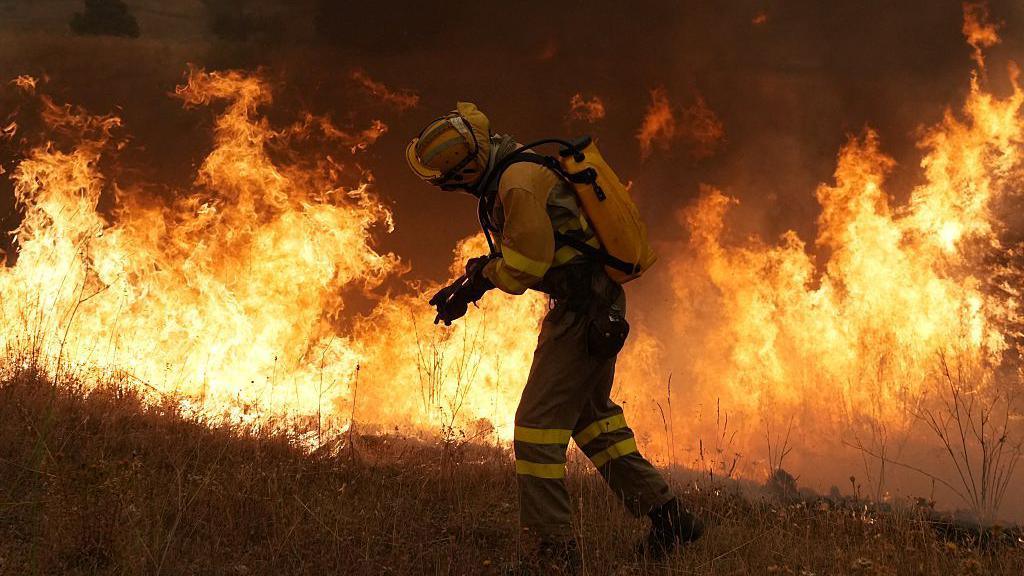
Indeed, French authorities now request Australian specialist crews for Europe’s wildfires, while Australian teams help Canada and the U.S. This global information exchange illustrates how technology and Indigenous knowledge can combat fires worldwide.
By marrying satellite precision with on‑the‑ground ecological wisdom, Australia charts a path that other nations can adopt—especially as climate change reshapes wildfire patterns. The Bushfire Research Centre seeks increased funding to design joint plans with Indigenous communities, ensuring that the planet’s guardians get a voice once more.