In brief
Austria has become the latest country to consider banning social media for children under 14, driven by concerns over addiction and harmful content. Vice-Chancellor Andreas Babler emphasized the need for regulations similar to those for alcohol and tobacco. The proposal has gained traction among parents and is anticipated to be detailed in a draft bill by the end of June.
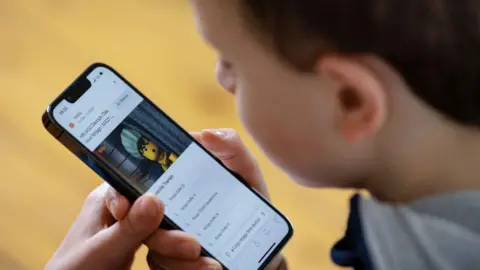
Austria has announced plans to ban social media for children aged under 14, becoming the latest country to consider introducing restrictions for children online. This decision follows lengthy negotiations within the conservative-led three-party coalition government, but it remains unclear how or when the ban will be implemented.Announcing the plans, Vice-Chancellor Andreas Babler of the Social Democrats stated that the government could not stand by and watch as social media made children 'addicted and also often ill.' He asserted the responsibility of politicians to protect children, comparing the need for digital regulations to those in place for alcohol and tobacco: 'There must be clear rules in the digital world too.'Babler promised that in the future, children under 14 would be shielded from algorithms that encourage addictive behaviors. He highlighted that other information providers have strict rules aimed at protecting young people from harmful content, and that such measures should also apply in digital spaces.Austria joins a growing list of nations imposing restrictions on social media access for children due to concerns about the availability of potentially harmful content. Recently in the US, a jury determined that two social media giants had intentionally designed algorithms that negatively impacted young people's mental health.Social media platforms often cite age restrictions for under-13s, though enforcement measures are frequently debated, and there are versions of their sites with parental controls available.Australia was the first nation to impose a ban for users under 16 last December, while France’s lower house authorized a ban for under-15s earlier this year. Similar discussions are ongoing in the UK, Denmark, Greece, Spain, and Ireland.Austrian Minister of Education Christoph Wiederkehr remarked on the 'harmful' nature of social media, emphasizing the need for responsible usage. The state secretary for digitalisation, Alexander Pröll, announced that a draft bill outlining the ban would be introduced by the end of June, detailing age verification mechanisms for social media access.Opposition from the far-right Freedom Party condemned the ban as a threat to young people's freedom of expression. However, political analyst Thomas Hofer noted that the proposed ban resonates positively with the public, especially among parents who see it as a sensible measure amid broader governmental challenges. The social media ban aligns with educational reforms, prioritizing lessons on democracy and artificial intelligence while reducing Latin instruction.