Controversial Practices at Taunsa Hospital Linked to Child HIV Outbreak
Warning: This story contains details that readers may find distressing.
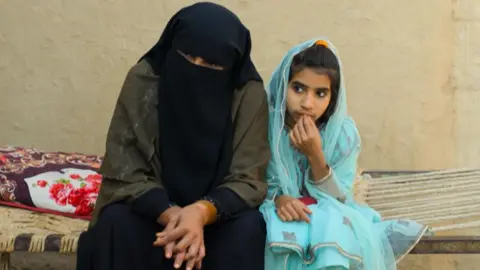
Mohammed Amin was eight when he passed away shortly after being diagnosed with HIV. His mother recounts his suffering, noting the extreme pain that led him to sleep in the rain. Tragically, Asma, his younger sister, has also been diagnosed with HIV following similar circumstances.
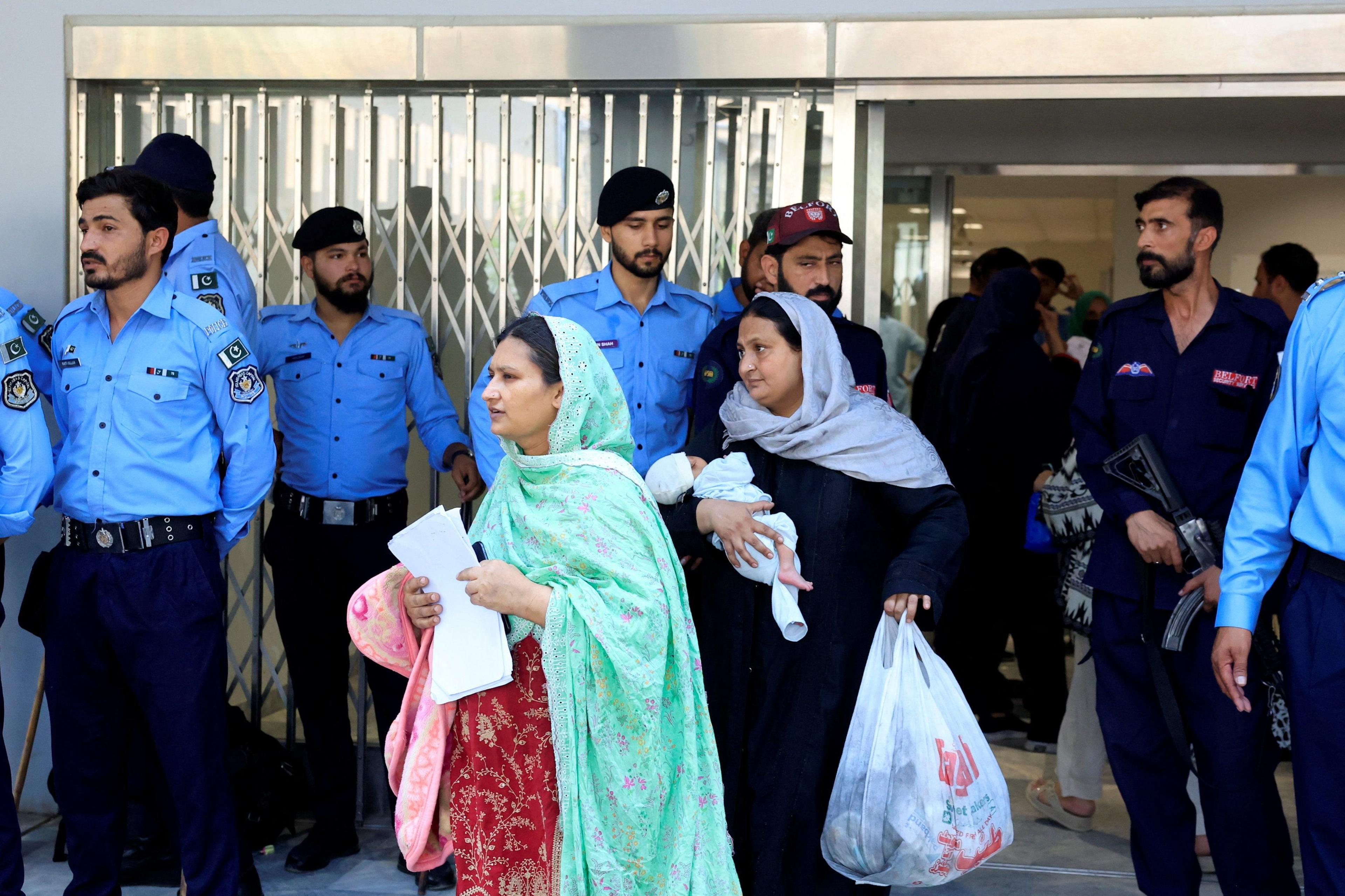
Both children are believed to have contracted the virus from contaminated medical practices at THQ Taunsa, a government hospital in Punjab, Pakistan. The hospital has been scrutinized for its handling of healthcare, leading to an alarming number of HIV cases among children; reports indicate a total of 331 infections identified between November 2024 and October 2025.
Despite assurances from local authorities regarding a crackdown and improvements in practices after the initial outbreak, a recent undercover investigation by BBC Eye has uncovered ongoing misuse of syringes and other unsafe medical procedures inside the hospital.
During 32 hours of filming, investigators noted instances where syringes were reused on multiple children, potentially exposing them to HIV and other infectious diseases. Medical staff were frequently observed administering injections without proper sanitization procedures or gloves, raising significant concerns about hospital hygiene.
Dr. Altaf Ahmed, a microbiologist and infectious diseases expert, warned that even using new needles does not guarantee safety when syringes are improperly managed. The filming also revealed nurses rummaging through medical waste without protective gear, a blatant disregard for health protocols.
Despite the evidence presented during an interview with the hospital’s superintendent, Dr. Qasim Buzdar, he maintained the footage could have been staged or outdated and insisted the hospital was safe for treating children.
The provincial government has yet to establish THQ Taunsa as the definitive source of the outbreak, instead attributing some cases to unregulated private clinics and unscreened blood transfusions. However, the evidence collected by BBC Eye indicates that serious health and safety violations continue to put vulnerable children at risk.
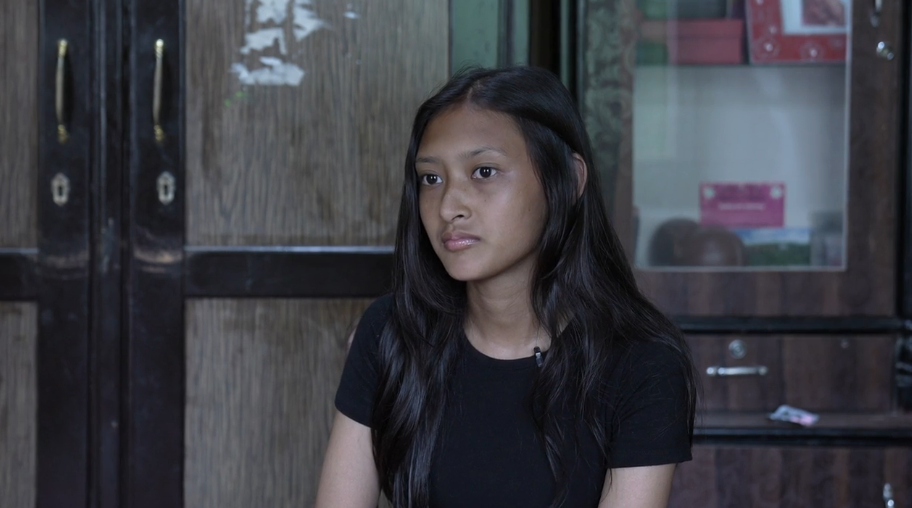
For children like Asma, the stigma surrounding HIV complicates their already difficult lives. As she copes with her diagnosis, she dreams of becoming a doctor, hoping to prevent others from experiencing the same fate in the future.