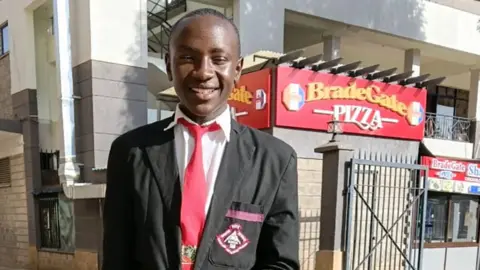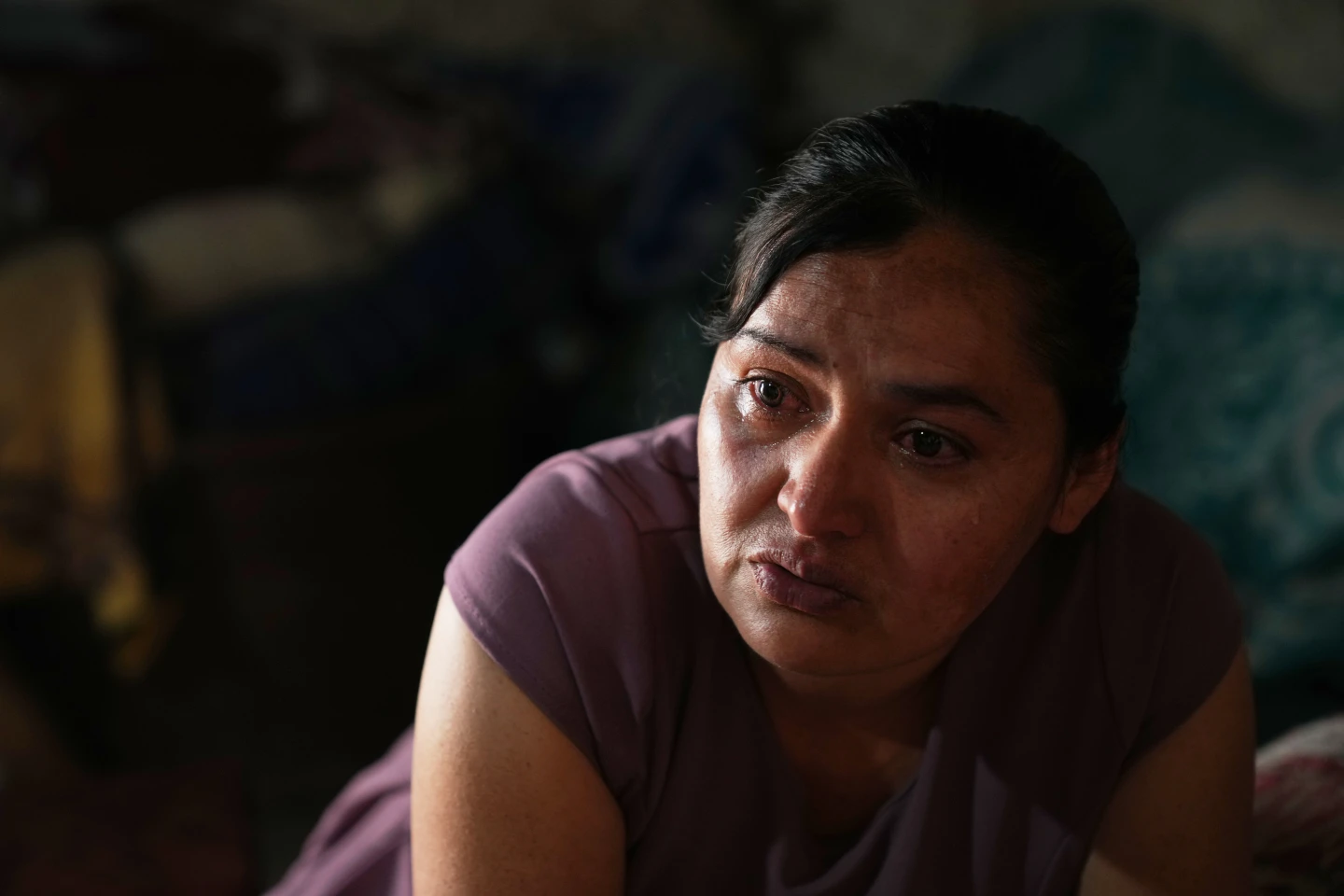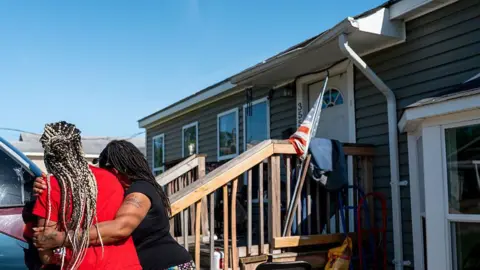
In a remarkable turn of events for children born to British soldiers stationed in Kenya, groundbreaking DNA testing has uncovered the identities of several fathers who were previously unknown or believed to be dead. Many of these children, like nine-year-old Edward, faced years of bullying and ostracization due to their lighter skin tone, a reminder of their absent parent.
The initiative, involving UK solicitor James Netto and geneticist Denise Syndercombe Court, has so far legally confirmed twelve paternities through a process that combines DNA testing with legal proceedings. These children's journeys to reclaim their heritage have shed light on a hidden facet of military life, offering hope for stability and support.
Most of the confirmed cases are now eligible to apply for British citizenship, with opportunities for financial support from their fathers. Legal representatives indicated that there could be as many as 100 documented cases of children born to British soldiers during their time at the British Army Training Unit in Kenya, though Netto suggests the true number could be much higher.
As cases continue to emerge, both the Ministry of Defence and Kenyan authorities have been urged to establish frameworks that ensure accountability for the soldiers who father children during their deployments. The situation has spurred discussions about the responsibilities of service members, as well as the needs of families left behind.
The investigation into the lives of these children reveals not only the struggle for identity and connection but also the broader implications of military presence in foreign nations, raising questions about the socio-cultural impacts of such relationships.