In brief
In the wake of the July ceasefire in Lebanon, BBC journalists travelled into the country’s occupied southern belt to document Israel’s expanding military footprint. Their journey took them past a lone Lebanese checkpoint in Naqoura and into areas controlled by Israeli forces, where nine new bases have surfaced and thousands of war‑worn refugees still lie displaced. The team revealed evidence of demolitions and the use of netting on houses to shield them from Hezbollah drone attacks, raising allegations of war‑crime‑facing actions. Israeli officials, meanwhile, claim they are securing the region with a “security zone” against potential Hezbollah threats, while Lebanon’s intelligence points to persistent Israeli incursions beyond the Yellow Line. The report highlights a stalemate over Hezbollah’s disarmament and the absence of any significant change until Israel’s forthcoming election.
Beneath a rainy, Mediterranean backdrop, the BBC took a convoy along the Idlib Highway into southern Lebanon’s fenced territory. Their goal: to see how far Israel’s occupation stretches after the July ceasefire that was supposed to end hostilities.
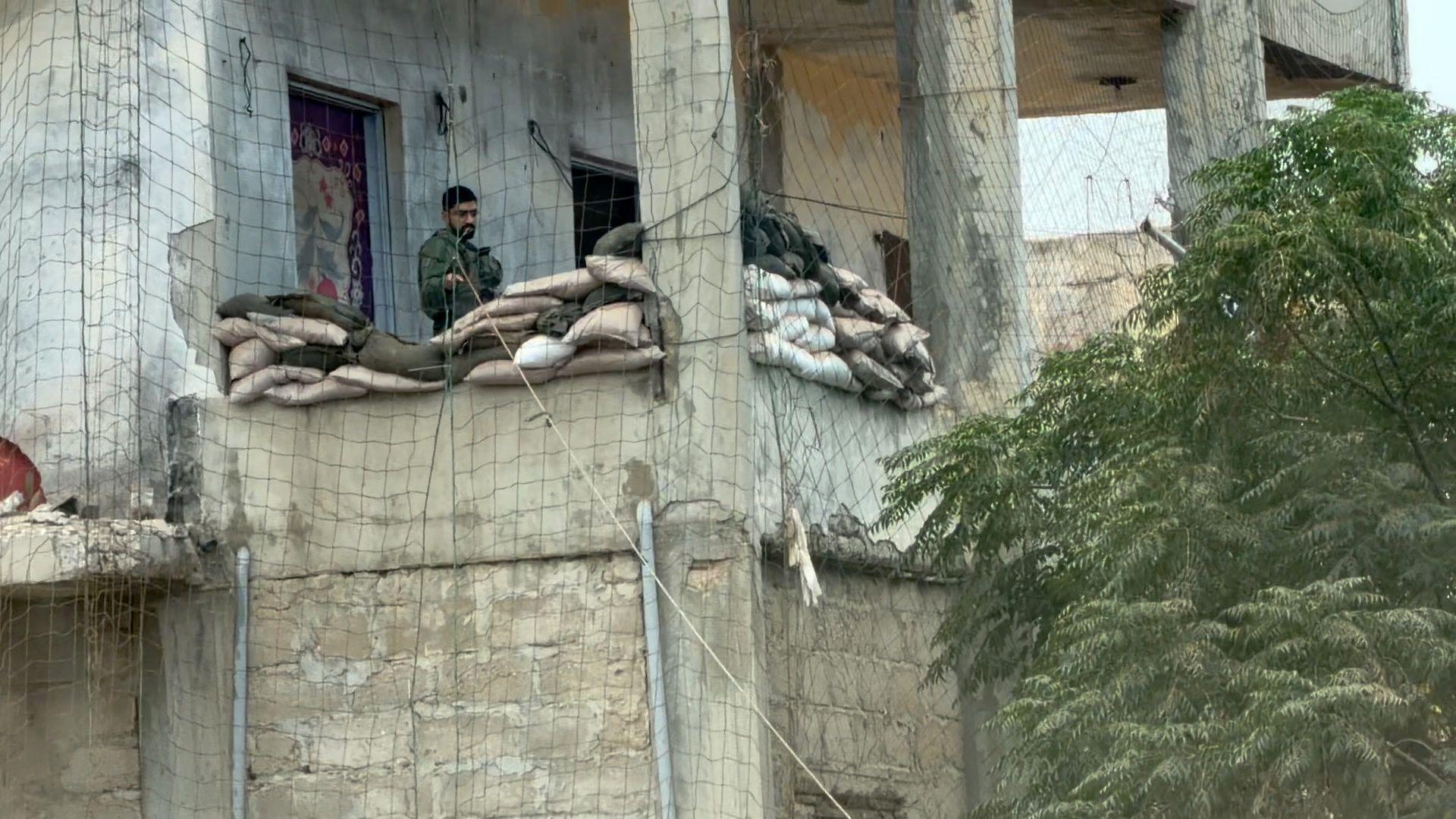
The only Lebanese military sign is a small checkpoint in Naqoura, where soldiers stand behind concrete walls amid a barren road, a stark contrast to the dozens of Israeli flags further south marking the start of occupied lands. Newly erected Israeli bases now number nine, bolstered by significant fortifications and protective netting over houses deemed useful to Hezbollah drones.
A UN peacekeeping unit, Unifil, led by Finnish troops, escorts civilians through Christian villages that did not suffer attacks during the war. Their brief permit to operate in occupied territory came after a UN–Israel de‑confliction agreement, underscoring the fragile status of movement in the area.
The spate of demolitions suggests Israel is not just securing a “security zone” around its border – it is also erasing villages, a move critics say could amount to a war crime. Hundreds of thousands of Lebanese refugees are locked out of their homes, with no clear timetable for return.
Israel’s Defence Minister said the military was preparing for a long‑term presence, citing protection against Hezbollah’s rocket and drone threats. Yet the Lebanese intelligence unit reports over 5,000 violations of the ceasefire by Israeli attacks and increased incursions beyond the Yellow Line.
Speaking to the BBC, the Lebanese Official noted that Israeli forces had set fires and demolished houses even after the ceasefire – an attempt to make the region uninhabitable. Hezbollah counters by demanding a full Israeli withdrawal before any disarmament talks can occur.
The situation shows little change expected until October’s Israeli election, leaving the zone in a precarious, “Gaza‑like” standoff where Israel appears entrenched and the Lebanese population denied ordinary rights to return.