In brief
Inside Moscow and beyond, two former Russian nationals reveal their clandestine work for Ukraine’s military intelligence. One, known only as Ivan, allegedly helped coordinate drone strikes on bombers and munitions depots. The other, dubbed Foma, runs a network of volunteers who map military targets and provide intelligence to Kyiv. While the GUR confirms their involvement, the details remain deliberately shadowy, raising questions about verification and the risks these agents face.
Two Russian men once trusted by Moscow’s security services now claim to be working south of the border, supplying Ukraine’s GUR with intelligence that has led to drone attacks on strategic targets inside Russia.
From the frontlines to the shadows
One, known only in the story as Ivan, says he has helped plan attacks on Russian bombers and armament factories. “We locate where the drones can be hidden and then assemble them quietly,” Ivan told an independent Polish journalist, Marcin Mamon. He even sent a video that shows hiding explosives near a Russian airfield, a risk that could have landed him in decades of imprisonment if discovered.
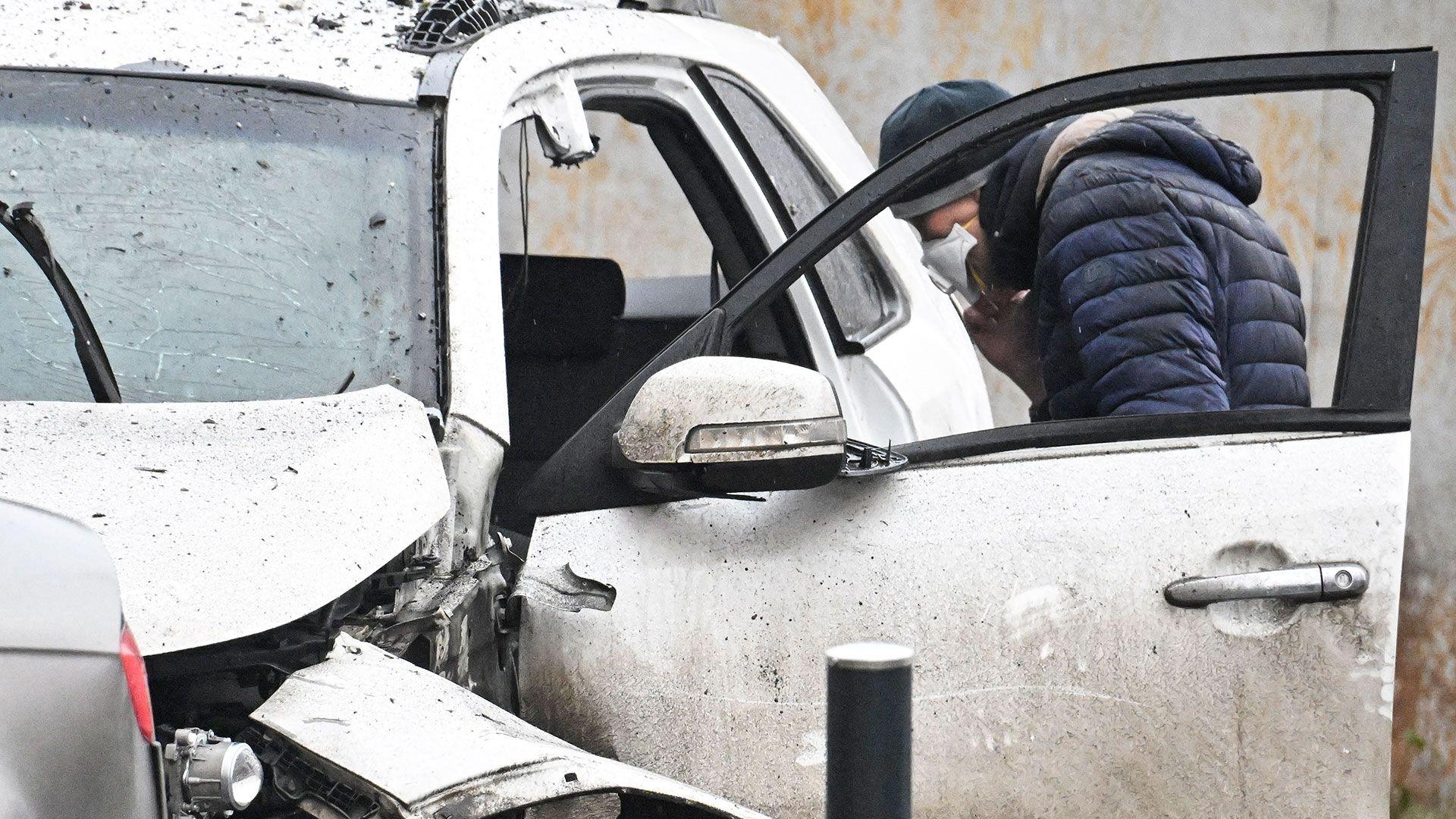
The other, called Foma, operates from exile in Poland and coordinates a network of volunteers who map military bases and trace the movements of senior officers. He described himself as a former insider who could “talk to the right people.” According to Foma, his team has supplied Ukraine with details that led to the assassination of a high‑ranking Russian general in Moscow last year.
A delicate balance of trust and secrecy
The GUR officially acknowledges both men’s service, yet it admits uncertainty over their loyalty. “We do not know the full picture,” a GUR handler said when pressed, a statement that underscores the difficulty of vetting operatives who risk life and liberty by operating covertly.
Both Ivan and Foma stress that their actions are aimed at hitting military targets only, not civilians. "The aim is always to mitigate collateral damage," Ivan explained. "Any unexpected casualties are a tragic foil to what we believe is a necessary strike."
The price of anonymity
Despite their secrecy, both men manage to travel outside Russia freely, a fact that casts doubt for some. Ivan, who once served in the opposition, claims that ignorance of Russian security networks allows free movement, while Foma argues that their network’s internet presence is minimal to avoid detection.
He admits the risk is high: “If you gather people into online chats, the entire group can be removed by the security forces.”
The world remains unsure how many such agents operate within Russia. Foma estimates 300‑500, yet verification is impossible without breaking into Russia’s closed intelligence circles.
Ivan and Foma describe a landscape of hidden actors, one where loyalty is hard to gauge and lines between ally and enemy are blurred. Whether these stories represent isolated incidents or a wider clandestine campaign remains unclear, but they highlight the complicated nature of modern conflict, where borders blur and information is weaponized. Only time and further investigative work will reveal the depth of Russia’s involvement and the extent of Ukraine’s reach inside its formidable neighbour.