In brief
A recent study highlights that forest fires have led to a 60% increase in global carbon emissions since 2001. The research emphasizes the role of burning boreal forests, particularly in Canada and Siberia, as major contributors, with some forests nearly tripling their emissions over the last two decades.
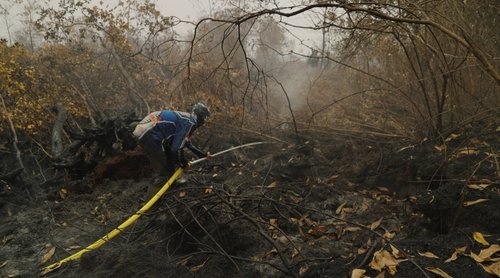
Recent research conducted by a team at the University of East Anglia has uncovered a shocking statistic: carbon emissions from forest fires globally have surged by more than 60% since 2001. This intensified burning threatens not only the environment but also contributes significantly to climate change, pushing the boundaries of a livable planet.Forests around the world are vital ecosystems that combat climate change by sequestering carbon dioxide from the atmosphere. However, the increase in wildfires poses a severe threat to their ability to function as carbon sinks. The study, published in the journal Science, employed machine learning to categorize global forest ecosystems into twelve distinct types. Each forest category displayed varied responses to factors that ignite fires and determine their severity, such as climate change, land alterations, and vegetation health.Among the diverse types of forests, boreal forests, particularly those located in Canada and Siberia, emerged as the predominant emissaries of carbon due to wildfires. The research highlighted that a particular species of boreal forest has seen its annual carbon emissions almost triple in the past two decades. According to Matthew Jones, the report’s lead author and a physical geographer, the findings were staggering enough to warrant a double-check on the data.These trends warn of an impending crisis as the balance between maintaining forest health and managing climate change becomes increasingly precarious. As human activities exacerbate greenhouse gas emissions while yielding short-term profits, the interplay between land use and forest preservation demands urgent attention. Understanding the intricate dynamics of these ecosystems is critical for implementing effective conservation and climate strategies moving forward.