In brief
The U.S. Embassy released a fact sheet accusing Canadian ministers of planning to influence the U.S. mid‑term elections, citing meetings with U.S. Democrats and calls for retaliatory tariffs. Canadian Prime Minister Mark Carney and Ontario Premier Doug Ford dismiss the claims, pointing to trade tensions and the U.S. response to Canada’s tariff counter‑measures. The dispute highlights rising frictions in the second Trump administration, with the mid‑terms poised to decide congressional control and shape future policy alignment. The exchange underscores how trade disputes can spill over into political rivalry, raising concerns about cross‑border democratic integrity.
The U.S. Embassy in Ottawa has published a fact sheet accusing Canadian officials of preparing to influence the November mid‑term elections in Washington.
The embassy claims ministers and regional leaders have openly documented plans to sway U.S. politics, citing recent meetings with U.S. Democrats, public speeches encouraging policy changes, and calls for retaliatory tariffs against American products.
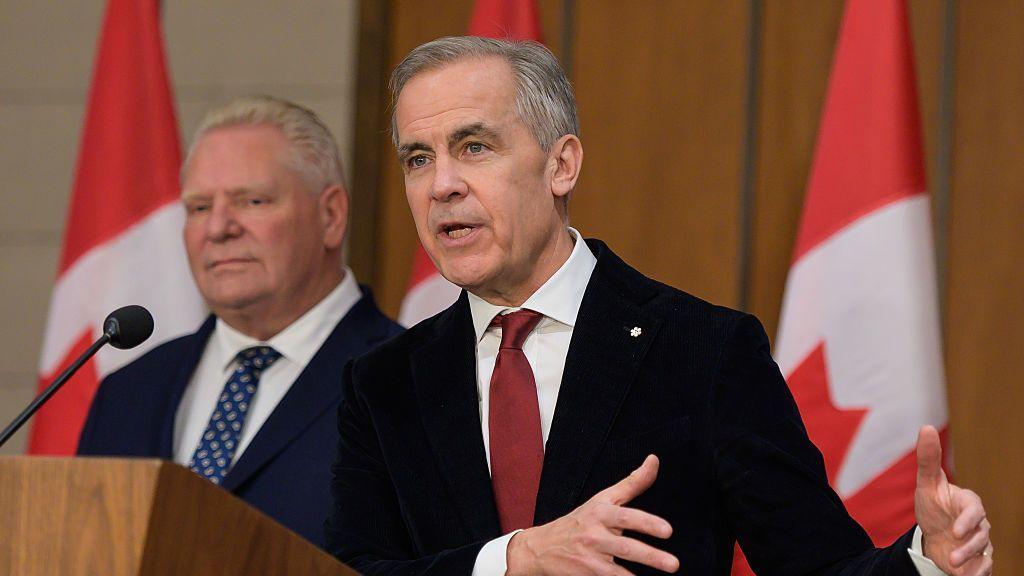
Canadian Prime Minister Mark Carney and Ontario Premier Doug Ford reacted by denying any intention to meddle in U.S. elections. Carney emphasized that Canada’s actions were defensive responses to U.S. tariffs, aimed at protecting Canadian jobs and businesses, while Ford stated he had no interest in influencing U.S. politics and would focus on Ontario.
These accusations fuel a broader narrative of strained U.S.–Canada relations, already strained by trade disputes that began during the second Trump administration. The mid‑term elections will determine which party controls both houses of Congress, a shift that could have profound implications for U.S. policy and its relationship with Canada.
The embassy’s claim is framed by references to recent Canadian parliamentary discussions, where officials discussed applying higher tariffs on goods from states perceived to support the current administration. Canada’s leaders point to these strategies as defensive measures rather than political interference.
The clash over influence and trade illustrates how economic tensions can infiltrate political landscapes, raising questions about the boundaries of foreign policy and electoral integrity in close‑neighbour democracies.