32 people died in a Bangkok bar blaze, raising questions over safety loopholes
At 11:00 p.m. on 14 July 2026, a sudden explosion that turned the popular Rong Beer Na Ladprao pub into a wave of flame forced patrons to rush toward a single, narrow exit. Thick, toxic smoke and burning debris blocked the way, leaving behind bodies that sealed the remaining escape routes.
The death toll, now at 32, echoes the 2009 Santika Club inferno that killed 67, and the 2012 Mountain B club fire that claimed 26 lives. Engineers point to a likely electrical fault igniting the club’s flammable sound‑insulation, with oxygen entering the fire through an uncoupled entrance that turned the blaze into a more lethal conflagration.
After the Santika tragedy, Thai authorities updated club regulations: fire‑resistant insulation, outward‑opening exits, backup power for exit signs, and mandatory sprinklers for venues seating over 500.
However, the new rules only applied in designated entertainment zones—areas covering just three districts in Bangkok. Most pubs, even those hosting large crowds, are classed as restaurants with live music and fall outside these stricter mandates, allowing establishments like Rong Beer Na Ladprao to operate under weaker standards.
Governor Chadchart Sittipunt acknowledged the loophole and called for random, notice‑free inspections of all pubs presenting as clubs. “We will apply the stricter standards to venues like these,” he told reporters, adding that authorities would seek the means to shut them down if safety conditions remain unmet.
Yet Bangkok’s Metropolitan Administration may lack the staff to manage the thousands of non‑zone establishments, and there are reports of widespread corruption. Police reportedly accept bribes to keep clubs open, while investigations have only suspended a handful of officers after the Mountain B fire, leaving the broader facilitator network unchecked.
The fire adds to a pattern of life‑threatening incidents in Thailand—from gas‑cannister‑induced bus fires that killed schoolchildren to fatal crane collapses and accidents involving minors. Despite repeated promises of decisive action, the recurrence of such tragedies highlights systemic gaps in enforcement and culture.
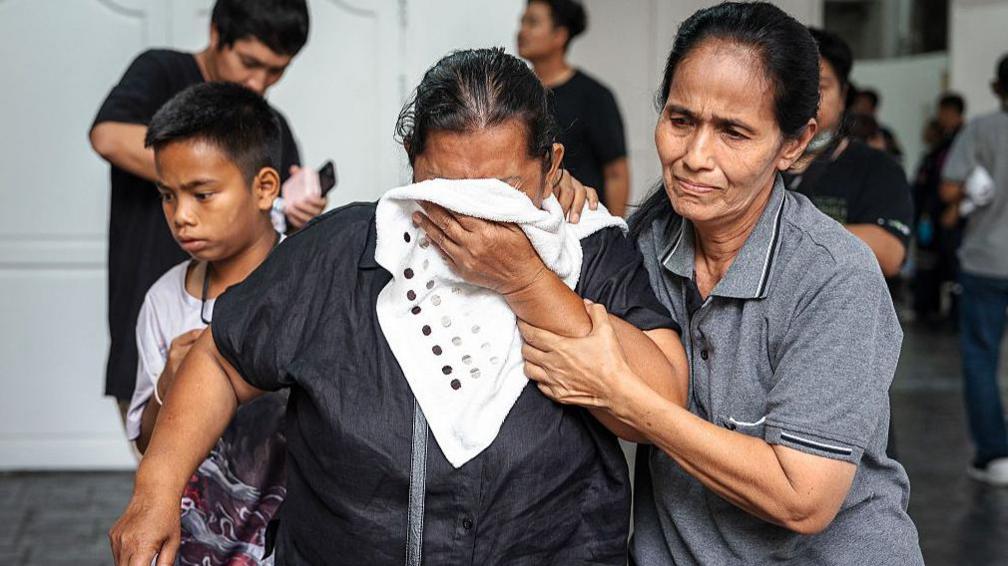
The aftermath of the Rong Beer Na Ladprao blaze will likely force Bangkok to close the safety corridor that has allowed deadly fires to repeat, but the persistence of loopholes, corruption, and resource constraints threaten to inhibit meaningful change. For the 32 families who lost loved ones, the question remains: will anything ever change?