In brief
During a seminar in Sofia, Minister Nikolay Naydenov emphasized that crime cannot produce wealth in a rule‑of‑law state and called for the swift implementation of the EU asset‑recovery directive. Bulgaria’s removal from the FATF greylist is seen as a key step toward restoring confidence in national institutions. The Ministry is now launching public consultations on a bill that would align domestic law with the directive’s requirements.
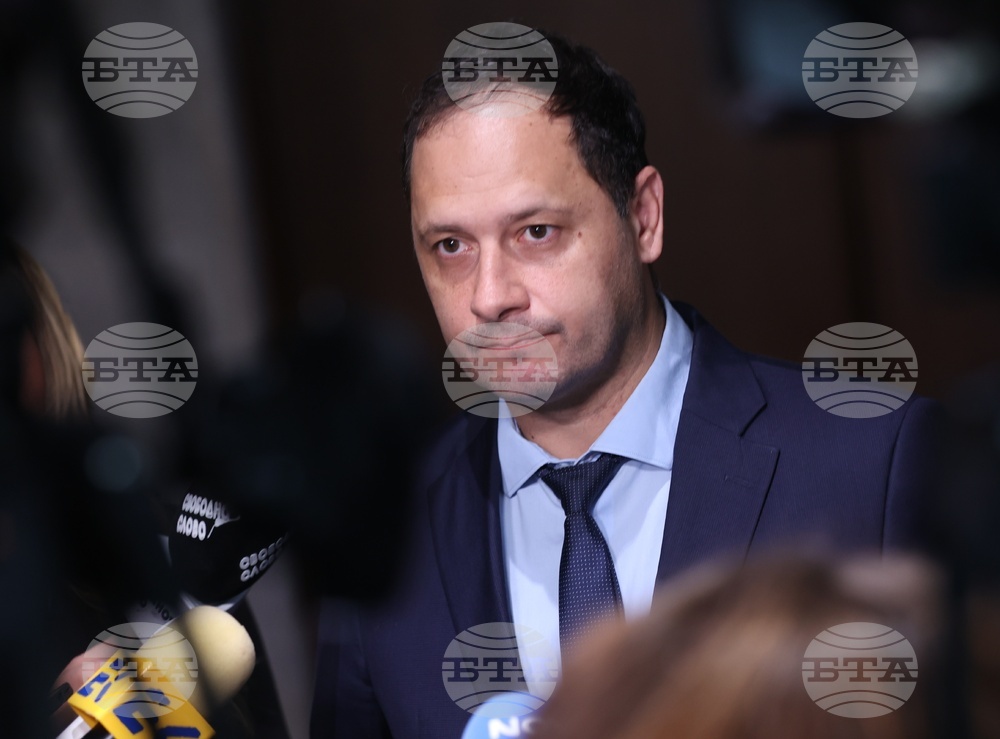
In Sofia on 3 November 2026, Justice Minister Nikolay Naydenov spoke at a forum titled “Strengthening Asset Freezing and Confiscation as Tools in the Fight Against Organized Crime and Corruption.” The gathering, organized by the French Ministry of Justice, France’s Agency for the Management and Recovery of Seized and Confiscated Assets, and the French Embassy in Sofia, brought together judges, investigators and experts from France, Bulgaria, Romania, Serbia and Turkey.
Ministry officials noted that the Minister made clear the prevailing message of the event: in a state governed by the rule of law, criminal conduct cannot be a path to wealth and corruption cannot serve as a means to power or privilege. While the ministry acknowledged that law‑enforcement must solve and punish crime, Naydenov stressed that the fight must extend to severing the financial foundations that sustain criminal activity. His remarks framed the removal of Bulgaria from the Financial Action Task Force’s greylist as a critical step toward restoring faith in the country’s ability to confront money laundering and illicit financial flows.
“It is of paramount importance that Bulgaria was removed from the FATF greylist of jurisdictions under increased monitoring,” Naydenov said. The announcement was made by Prime Minister Rumen Radev on 30‑October, and the Minister cited the decision as a vindication of Bulgaria’s institutional reforms. He warned that without a solid legal framework that can swiftly freeze and confiscate assets, criminal networks would retain access to illicit profits and continue to thrive.
To that end, the Minister highlighted the importance of transposing the EU directive on asset recovery and confiscation into national law. He explained that a concept had been developed at the Ministry in the summer, leading to a draft bill that reflected the directive’s requirements. The ministry has since opened a public consultation period on the legislative proposal, inviting inputs from stakeholders across the justice sector.
Naydenov’s remarks come in the wake of a rapid political turnover in Bulgaria’s legislative body. Over the two years covering 2024 to 2025, four governments came and went – none of which made the necessary reforms in the asset‑recovery area. “To overcome the accumulated delays, I have taken concrete steps,” the minister said. The new approach aims to bridge the gap between Bulgaria’s domestic laws and the EU directive, thereby giving courts a clearer framework for identifying and seizing ill‑earned wealth.
The push for stronger asset‑freezing measures is expected to affect several fronts of public accountability. If the legal framework is updated, courts will be better equipped to prosecute cases involving money laundering and corruption, and the outcomes will be more transparent to the public. On a civic level, a robust system of confiscation signals to entrepreneurs and ordinary citizens alike that illicit wealth will not be tolerated, thereby fostering a business environment that rewards lawful activity.
Beyond the courtroom, the initiative is seen as a measure that could reinforce voter confidence ahead of forthcoming elections. By tackling corruption head‑on, the Bulgarian government seeks to demonstrate that the rule of law remains intact and that public institutions are held answerable to the citizenry. The removal from the FATF greylist, according to the Minister, is a crucial element in building that public trust.
While the legal reforms remain in the consultation phase, the government’s commitment to cutting off the financial lifelines of organized crime signals a new direction for Bulgaria’s rule‑of‑law agenda. Officials expect the public consultations to culminate in a final bill that will align Bulgarian law with European standards, thereby closing a loophole that has long enabled criminal networks to thrive on illicit proceeds.
As the process moves forward, the success of the reforms will be measured by how effectively Bulgarian courts can confiscate assets, how quickly financial flows linked to crime are disrupted, and whether public confidence in the system’s accountability mechanisms rises in the months leading to the next national election. The Justice Ministry’s current initiative will thus be closely watched by civil society, the business community, and citizens alike.