Bolivian President Declares State of Emergency Amid Protests
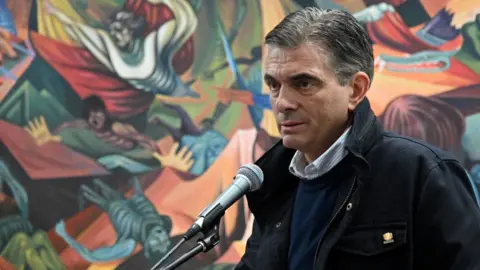
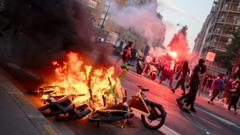
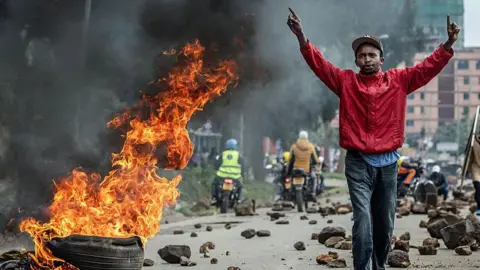
President Rodrigo Paz has invoked a state of emergency after weeks of nationwide blockades since late April. The move grants him powers to dismantle roadblocks that have crippled commerce, caused shortages of basic goods, and disrupted transport across large parts of the country.
Paz announced the decree on social media, saying the crisis was an organised attempt to destabilise the country and that the emergency would "free the country's roads" and restore normalcy. Congress has 72 hours to approve or reject the measure under national law.
Blockades are conducted by miners, farmers and indigenous groups and are a continuation of protests triggered by a land‑reform proposal initially floated by Paz. The reform was later scrapped, but angry segments of the population remain demanding fuel subsidies, a rollback of austerity measures and the president’s resignation.
Paz’s longstanding political rival, former president Evo Morales, has been accused of orchestrating the protests, accusations the former leader denies. Meanwhile, the government has reshuffled its cabinet, cut salaries, and launched a council to negotiate with disaffected sectors of society – all to no avail, as unrest persists.