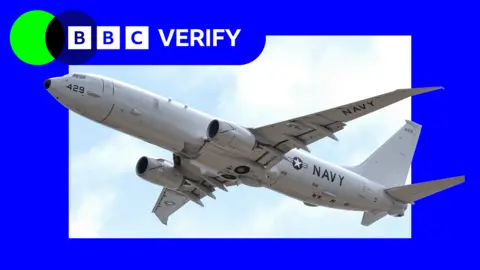
The US military has been publicly broadcasting the location of military surveillance flights near Cuba on plane-tracking websites as Washington continues to exert pressure on the island's communist leadership.
Leaving flight transponders on 'is likely deliberate', said UK drone expert Dr. Steve Wright, indicating the US intends to send a clear message it has 'eyes in the sky to maintain the squeeze'.
According to analysis from BBC Verify of flight-tracking data, at least five US Navy P-8A Poseidon surveillance aircraft and three MQ-4C Triton drones have been actively operating in the Caribbean near Cuba since May 11. Certain flights have come alarmingly close to Cuban territorial waters, with some hovering just 50 miles (80 km) from the island.
However, it is important to note that flight-tracking data can only partially depict the US military's activities, as not all military aircraft share their locations at all times.
This increase in surveillance coincides with significant tensions between the US and Cuba, following the imposition of tough oil sanctions that have effectively blockaded the Caribbean nation. Additionally, reports from Axios suggest that Cuba has acquired drones capable of striking US territory, prompting strong responses from US officials.
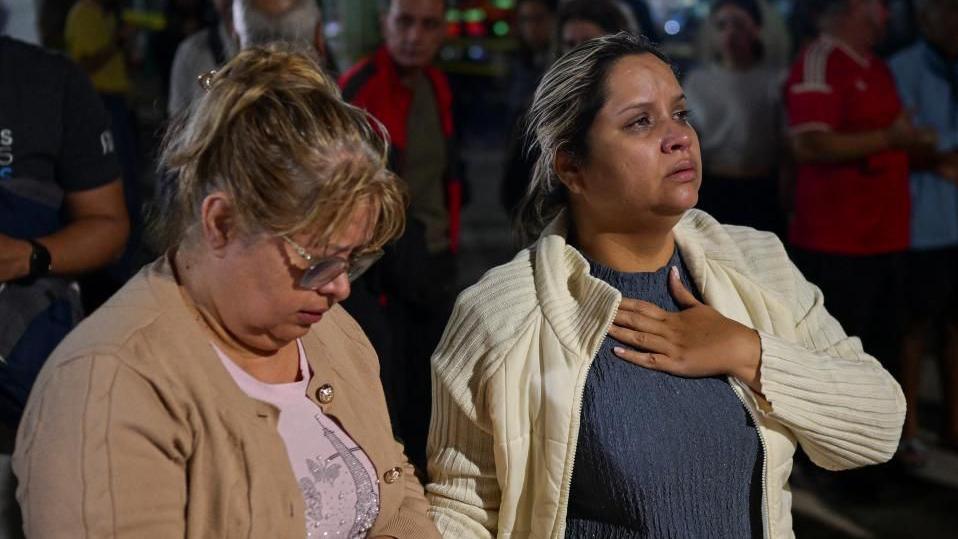
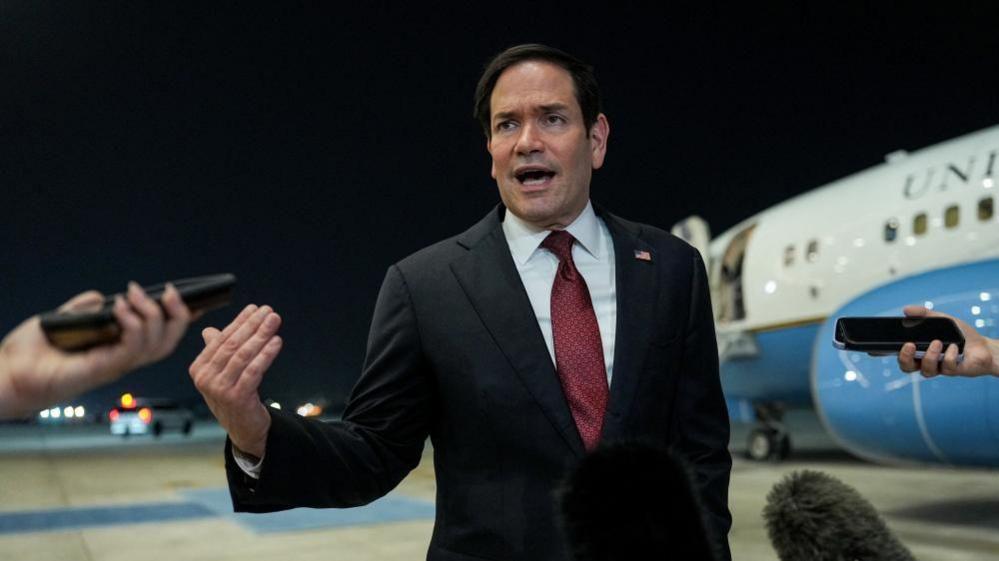
US Secretary of State Marco Rubio recently addressed the Cuban people in Spanish, calling for a 'new relationship' and attributing the nation’s hardships to its communist government rather than the US blockades. This multifaceted situation is further exacerbated by ongoing protests in Cuba sparked by fuel shortages and power outages, prompted by the sanctions.
Experts believe that the visible nature of these surveillance flights indicates a strategy to enforce the blockade more rigorously while dissuading Cuba's allies, like Venezuela, from providing support.
BBC Verify's assessment points to a marked increase in US military activity near Cuba since February, with the aim of monitoring potential shipments attempting to breach the oil blockade.
In conclusion, the current situation reflects a complex narrative of military escalation and diplomatic posturing between the US and Cuba, with significant implications for regional stability.