In brief
After Israeli Prime Minister Benjamin Netanyahu threatened to sue the New York Times over an article alleging sexual assaults by Israeli forces, the newspaper issued a strong defense, asserting that the claims are without merit. The article has drawn significant backlash from Israeli officials and sparked public protests.
The New York Times has stated that a libel action threatened against it by Israeli Prime Minister Benjamin Netanyahu over an article alleging sexual assaults against Palestinian detainees by Israeli security services is without merit.
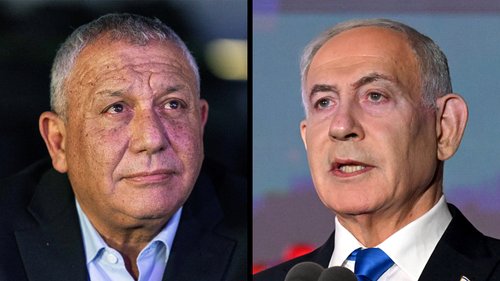
This response follows a declaration from Netanyahu and his foreign minister that they ordered the initiation of a defamation lawsuit against the publication. The contentious article, published earlier this week, claimed a pattern of widespread Israeli sexual violence against men, women, and even children perpetrated by soldiers and security personnel.
The precise mechanism for the Israeli state's legal action against the U.S. newspaper remains uncertain. In a bold retort, the New York Times declared that the threats from Netanyahu are part of a larger effort to undermine independent journalism and that any legal complaint would lack substantiation.
Netanyahu's statement labeled the New York Times article as "one of the most hideous and distorted lies" ever printed against Israel, expressing indignation over allegations made by writer Nicholas Kristof, which the state claimed were based on sources linked to Hamas.
Kristof’s 3,700-word piece, titled ‘The Silence that Meets the Rape of Palestinians’, cites testimonies from individuals asserting that they were sexually assaulted by Israeli security forces. The Times emphasizes that the threat of legal action against it is not only an assault on its journalistic integrity but also on freedom of the press itself.
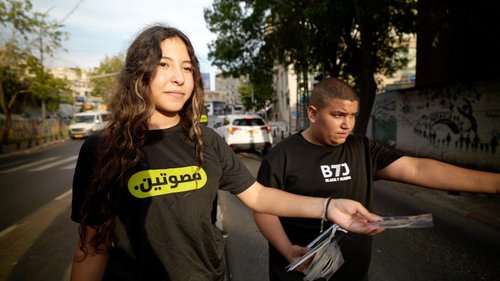
Notably, reactions to the article have sparked protests outside the New York Times' office, with demonstrators calling for Kristof's dismissal. The article highlights serious concerns regarding historical and systematic abuse, underscored by the testimonies collected throughout the years by various human rights organizations.
This incident reflects ongoing tensions between free expression in journalism and governmental pushback over adverse portrayals, compelling discussions regarding the boundaries of reporting, especially on sensitive international issues.