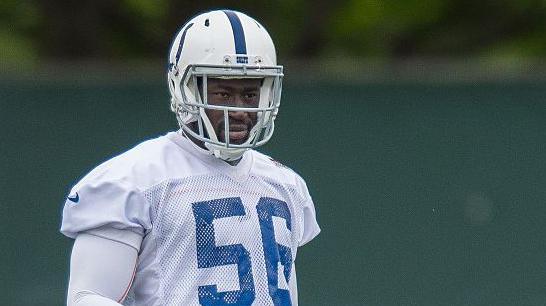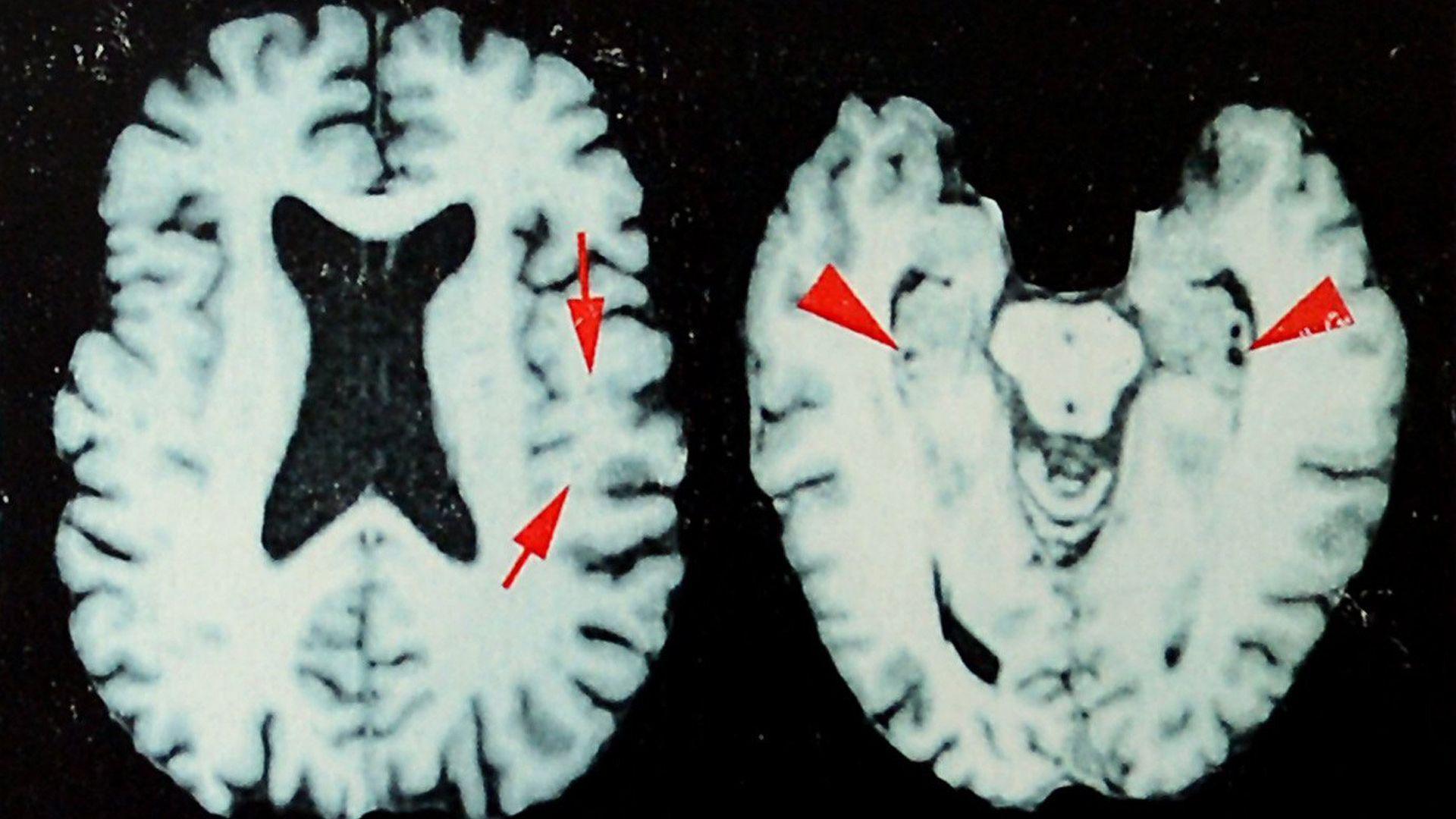
In a landmark paper released yesterday, researchers report that as many as 97.7% of former National Football League players who died between 2016 and 2021 may have carried chronically traumatic encephalopathy (CTE). The study was based on the brains of 235 deceased players, drawn from a cohort of 878 who had given permission for post‑mortem brain donation.
CTE is a degenerative brain disease that can only be diagnosed after death, and the research identified it in 215 of the donated brains. Moreover, the data suggest that dementia was a common appointment among these donors, underscoring the broader neurological toll of repeated head blows.
Daniel Daneshvar, associate professor at Harvard Medical School and lead author of the paper, said that NFL players “have a higher prevalence of CTE at death than has been previously shown in multiple community‑based studies.” His findings point to a rate four times higher than that seen in the general population when it comes to death from neurodegenerative disease.
While the study calculates a conservative minimum prevalence of 24.5%, the maximum figure at 97.7% indicates that nearly all former players who passed away during the period could have been affected by chronic brain disease.
Daneshvar stresses that “the bulk of the head impacts these players experienced did not occur at the NFL level.” Instead he notes that collegiate, high‑school, and even youth football contributed significantly to the cumulative injury load, heightening overall risk. The researchers appeal to the league to implement preventive measures to reduce repetitive head impacts across all levels of the sport.
In response, an NFL spokesman highlighted ongoing safety initiatives, stating that the league strives “to make the game of football safer” through concussion mitigation and broader education. He urged former players to use available health resources for early identification and treatment of potential brain disorders.
Over the years, chronic traumatic encephalopathy has emerged as a serious public health concern in American football. The 2011 Collective Bargaining Agreement capped the number of contact practices, yet growing litigation and a 2016 $1 billion settlement with more than 5,000 former players illustrate that the issue persists.