In brief
MapBiomas data shows Brazil’s Amazon had the smallest burned area since records began in 1985, with 3.1 million hectares affected in 2025 versus 15.8 million the previous year. The decline reflects both cooler La Niña conditions and increased preventative efforts under President Lula’s administration. Although the reduction is encouraging, experts caution that climate extremes could still heighten future fire risk. The drop is seen as a political boost for Lula’s re‑election campaign, but vigilance remains essential. The broader Brazilian landscape saw 12.7 million hectares burned in 2025, a steep drop from 30 million in 2024.
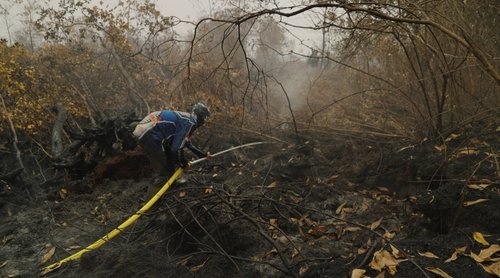
According to deforestation‑monitoring group MapBiomas, the Amazon burned just 3.1 million hectares in 2025 – less than a tenth of the 15.8 million hectares that burned in 2024.
That 2025 figure is the smallest area burned since MapBiomas began recording data in 1985, marking an important milestone for Brazil’s environmental efforts.
President Luiz Inácio Lula’s administration, which has pledged zero deforestation, says the reduction gives hope for the future, yet climate‑change experts warn the trend is not guaranteed to continue.
The recent decline is partly attributable to cooler La Niña conditions, which followed an unprecedented drought during the 2024 fire season.
MapBiomas notes that while 3.1 million hectares were affected in the Amazon, the whole of Brazil saw 12.7 million hectares burned in 2025 – a stark contrast to the 30 million hectares in 2024.
The low figures for 2025 are welcome after the fire‑heavy year 2024.
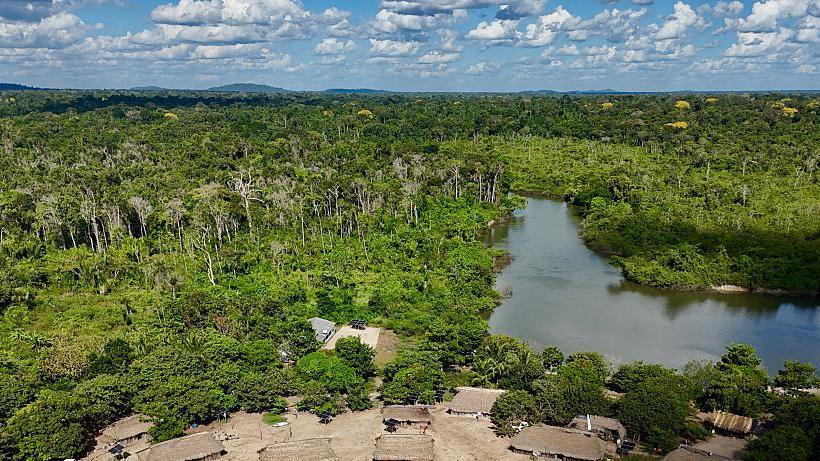
Tropical rainforest health is critical for global climate regulation, absorbing carbon dioxide and sustaining biodiversity.
Ongoing threats of logging, agriculture and climate extremes underscore the need for sustained vigilance and policy enforcement.