In brief
The upcoming election will decide whether California imposes a one‑time 5% wealth tax on its billionaires, a measure designed to raise $100 billion for the state’s health‑care system. Supporters claim it will curb the wealth gap and fund essential services, while opponents argue it will drive major capital out of the state. Notable figures such as Mark Zuckerberg and Nvidia’s Jensen Huang have signed on, whereas Silicon Valley founders and Governor Newsom oppose it. A September poll shows a close contest, with 45% favoring and 42% opposing the tax. The result will be the first of its kind in the U.S. and will see the state grappling with questions of wealth redistribution and economic policy.
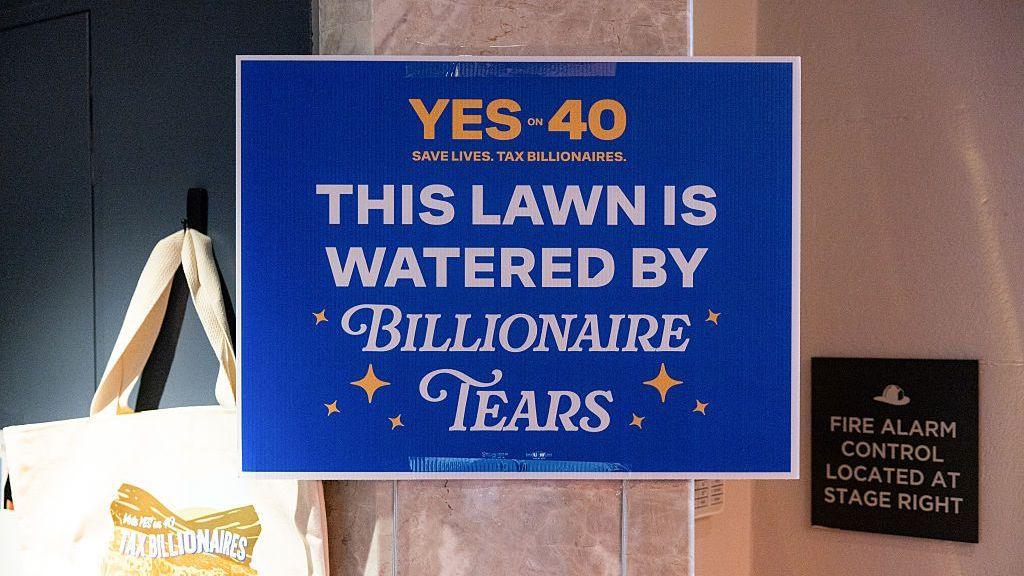
California, long the home of the world’s richest and most influential figures, is on the brink of historic change. A new ballot measure—Proposition 40—proposes a one‑time 5 % tax on the net worth of any resident whose wealth exceeds $1 billion.
The measure, which would apply retroactively to those who were residents as of 1 January 2026, is designed to raise roughly $100 billion, a sum earmarked for the state’s rapidly eroding health‑care system. If voters approve, the tax could make California the first U.S. state to target the ultra‑wealthy in this manner.
Proponents argue that billionaires already pay a disproportionate share of California’s taxes. “The bill is a short‑term solution to the flood of federal cuts,” says Suzanne Jimenez, chief of staff for the Service Employees International Union‑United Healthcare Workers West. “Without it, the state’s health‑care system could collapse.”
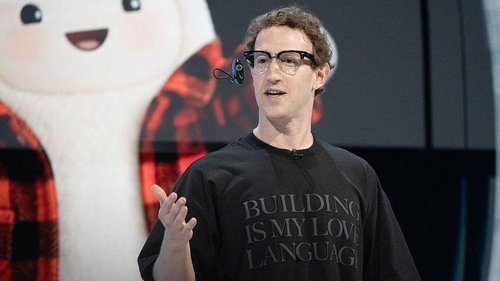
The debate has drawn high‑profile allies and critics. Nvidia CEO Jensen Huang and Meta founder Mark Zuckerberg have pledged to pay the levy, while Sillicon Valley pioneer Sergey Brin has reportedly spent $100 million lobbying against it. Governor Gavin Newsom has warned that the tax could trigger a wave of capital flight, citing concerns that several major players—Larry Page, Sergey Brin, Peter Thiel and others—have already relocated to different states to avoid future liabilities.
The measure’s critics point to global examples of wealth taxes that have resulted in administrative burdens and reduced investment. Economists in Norway and Switzerland report that modest increases in wealth taxes have encouraged the super‑rich to leave the country or hide assets. “Wealth taxes are more trouble than they are worth,” says Dr. Kristian Niemietz, head of political economy at the Institute of Economic Affairs.
Yet the public’s mood seems split. A September poll by the Berkeley Institute of Governmental Studies and the Los Angeles Times found 45 % of likely voters favour the bill, 42 % oppose, and 13 % are undecided. 72 % of California residents say the gap between the rich and poor is widening, and many believe the state government should do more to address inequality.
If passed, Proposition 40 would automatically apply to all billionaires who had lived in the state by January 2026, and is expected to compel some to move out. As of now, at least six wealthy residents—including former Uber CEO Travis Kalanick and former McKinsey analyst Don Hankey—have already relocated to states with more favorable tax environments.
The election therefore represents not only a fiscal question but a broader cultural debate about the role of wealth in democracy. Supporters like U.S. Senator Bernie Sanders have campaigned on the premise that “the more you make, the more you pay,” calling the tax a “powerful lesson” for the rich. Opponents argue it threatens innovation hubs that feed the state’s economic engine.
As voters head to the polls on 3 November, the outcome will decide whether California leads the nation in bridging a widening wealth gap or sets a cautionary example of how not to tax the ultra‑wealthy.