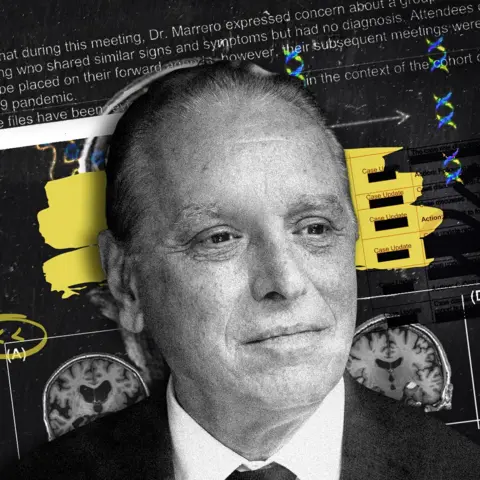
Five hundred people in a small Canadian province have been diagnosed with a mystery brain disease. The implications are profound: what if this disease isn't even real?
In early 2019, medical authorities in New Brunswick noticed unusual neurological occurrences linked to Creutzfeldt-Jakob Disease (CJD). Notable neurologist Alier Marrero documented numerous cases exhibiting various incapacitating symptoms but failed to connect them to a definitive diagnosis, leading to widespread confusion.
As the number of reported cases surged from 20 to 500, Marrero and his colleagues faced a staggering reality: they might be grappling with a new, unknown neurological illness. However, last year's research declared the alleged mystery disease a myth, suggesting instead that patients were suffering from existing conditions. This assertion ignited fierce backlash from patients, who insisted that environmental toxins, particularly from industrial activities, were to blame.
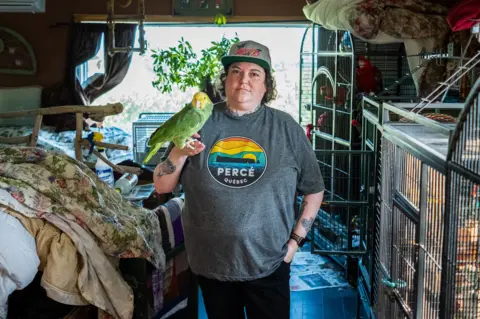
Patients like Jillian Lucas, who suffers from debilitating symptoms and is considering medical assistance in dying (MAID), express profound disappointment over the medical community's failure. Despite a history of extensive testing and consultation that yielded no definitive answers, Lucas and many others maintain their diagnoses, rooted in belief and experience.
As investigations into the potential environmental links and government support for the patients stall, advocacy grows. The recent findings further complicate the landscape of medical care in New Brunswick, with an urgent need for accountability and a shift towards acknowledging patient experiences.
The future remains uncertain with the patients caught in a web of misdiagnosis, potentially jeopardized by government apathy, and their voices fighting for recognition in the public domain.