In brief
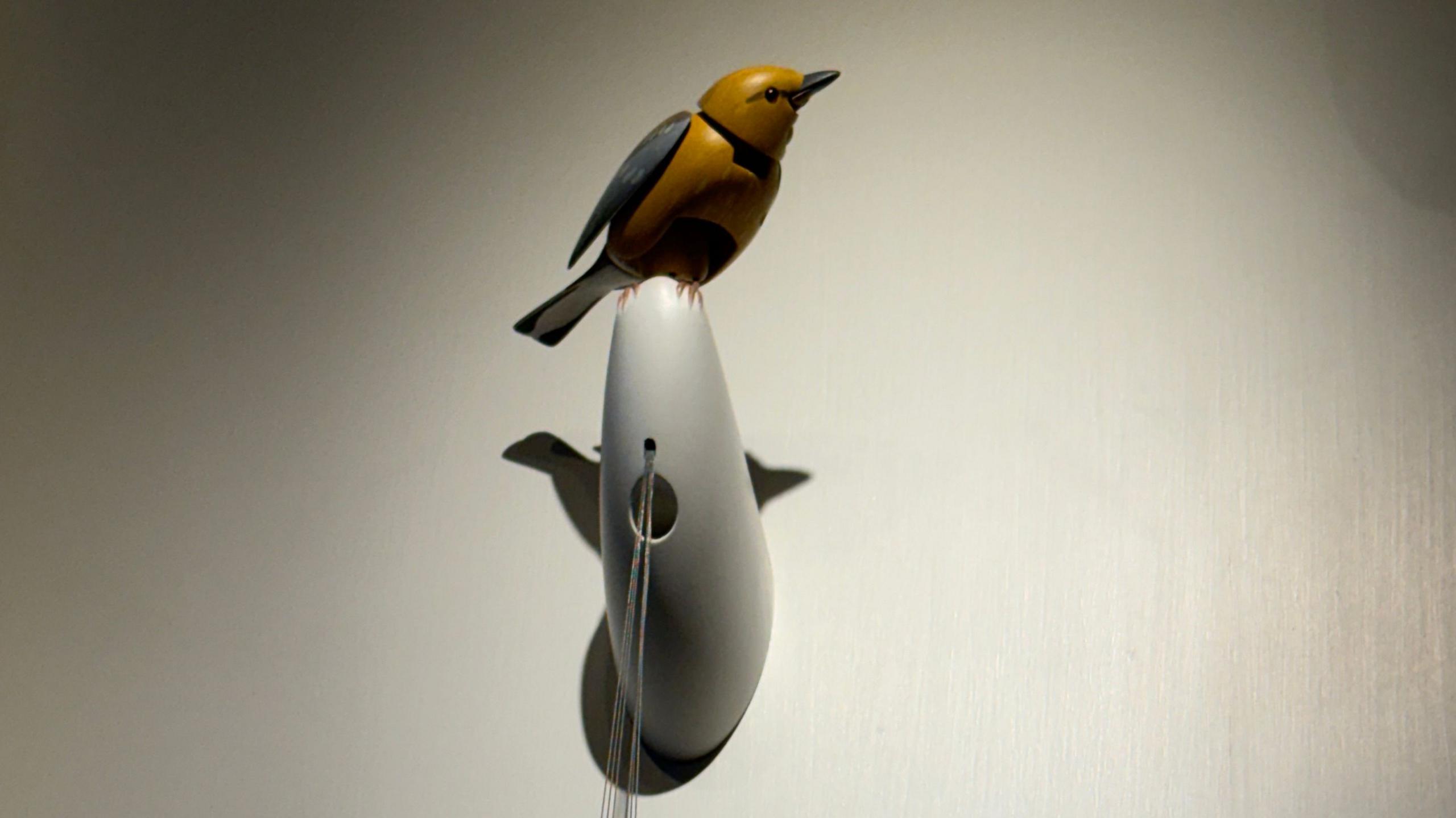
On a rainy Wednesday, Kelly Clarkson claimed that a Brooklyn novelty shop, Art of Play, refused her a $15,000 wooden bird called Molly. The singer’s social‑media post, comparing the treatment to the film Pretty Woman, sparked millions of reactions and viral footage. The shop defended its actions, stating the bird was permanently mounted and offered alternative purchases. After the controversy erupted, the store faced threats, increased media attention, and a comedic price tag of $15m on the bird. Local customers reported varied reactions, from surprise to support, highlighting the outsized influence of celebrity pressure on small businesses.
On a rainy Wednesday afternoon in Cobble Hill, New York, the quiet boutique Art of Play suddenly found itself at the centre of a social‑media storm after Grammy‑winning singer Kelly Clarkson posted that the shop had refused her a $15,000 wooden mechanical bird.
Clarkson, who denounced the staff’s attitude as reminiscent of a scene from the film Pretty Woman, claimed she was “looked at as if I couldn’t afford” the bird. She then urged fans to visit the store, mocking the experience.
The store’s owners countered that the bird, which is permanently attached to a wall, was not for sale, and that during her five‑minute visit an employee suggested she could purchase a copy for $15,000 or, if she preferred, a smaller model for $2,000.
The controversy quickly went viral. Surveillance video from the shop, showing Clarkson in a yellow shirt and baseball cap, was widely shared. The narrative attracted more than eight million viewers and intensified calls for boycott, while some patrons reported not being aware of the dispute and others were surprised by the accusations of rudeness.
More than a dozen reporters arrived at the shop the following day, turning the boutique into an impromptu news set. The store’s owner later said he and staff had received threats, and added a tongue‑in‑cheek price tag of $15m beside the bird, joking that it was the “world’s most famous singing bird automata.”
This episode illustrates how a single social‑media post from a celebrity can magnify a local business’s visibility—for better or worse—and the precarious position of small shops in the age of instant public scrutiny.