In brief
BBC’s Liza Tambunan has landed in central Kalimantan, where Indonesia is battling its worst wildfire season in a decade. The fires are fed by peat, a carbon‑rich layer that ignites slowly and releases sulphuric and other pollutants, choking residents and spreading haze to Singapore and Malaysia. Tambunan explains the unique properties of peat that allow fires to smolder underground, making containment difficult and the smoke more toxic. The article highlights the environmental, health and geopolitical repercussions of these fires, including the strain on regional air quality and the urgent need for more sustainable land‑management practices.
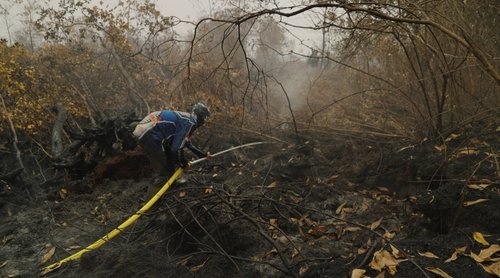
BBC journalist Liza Tambunan has landed in central Kalimantan to investigate Indonesia’s worst wildfire season in a decade, a crisis that has turned the region into a greenhouse of toxic smoke.
Peat, a wetland deposit of partially decayed vegetation, is the main fuel behind the fires. Unlike ordinary vegetation that burns above ground, peat can ignite deep underground. Once lit, it smolders for days, releasing sulphuric acid vapour and motes of fine particulate matter that travel across borders, choking millions in Indonesia, Singapore and Malaysia.
The low oxygen conditions in peat make it hard to fight. Conventional firefighting methods—water or fire retardants—often fail to reach the underground smoldering sections, leading to recurrent resurgent outbreaks. This slow, subterranean combustion keeps the fires alive for weeks, constantly feeding new spots of smoke into the atmosphere.
The consequences are grave. Residents in surrounding towns report severe respiratory problems, while the haze affects local agriculture and wildlife. The air quality index in Jakarta once plunged to hazardous levels, forcing emergency alerts and flight cancellations.
Reactivating peatlands also releases large amounts of stored carbon, pushing Indonesia’s emissions figures higher and undermining global climate‑change mitigation goals. Local authorities and environmental NGOs are now pushing for rewetting schemes and stricter enforcement of anti‑logging laws to restore the integrity of these ecosystems and cut future fire risks.