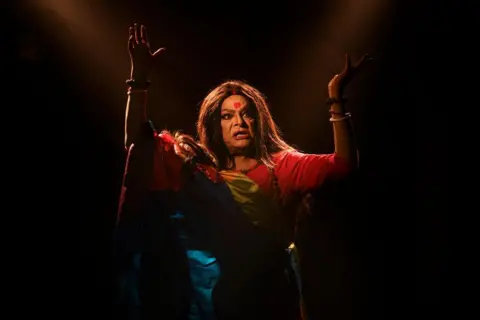
In mid-20th Century Bengal in eastern India, some of the biggest female stars on stage were actually men.
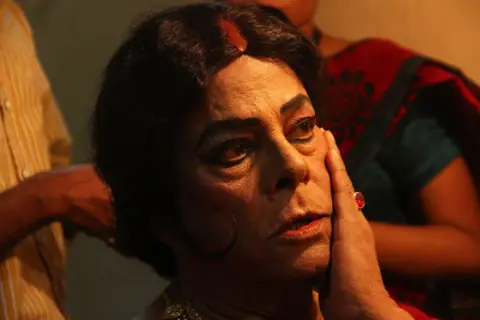
Foremost among them was Chapal Bhaduri - better known as Chapal Rani - the reigning queen of jatra, a travelling theatre tradition that once drew vast, fervent crowds.
Chapal Rani's performances were immersive and deeply felt, transforming the audience's conception of femininity and queerness on stage. Bhaduri's meticulous attention to costume and character revealed a profound dedication to his craft.
As the jatra tradition began to decline and as more female actors emerged in the 1970s, Bhaduri found it increasingly difficult to secure roles. Despite this, his legacy endures through documentaries and retrospectives that recognize his significant contributions to performing arts.
At 87, Bhaduri resides in a retirement home, reflecting on a life that straddled the margins of society and the vibrant world of theatre. His story, captured in a new biographical book, resonates with contemporary discussions surrounding gender fluidity and identity.