NEW YORK — The Trump administration has decided to keep the rainbow Pride flag flying at the Stonewall National Monument in New York, reversing its earlier decision to remove it. This new resolution comes as part of an effort to settle a lawsuit initiated by LGBTQ+ and historic preservation groups that had opposed the flag's removal.
Details from the court documents reveal that the Interior Department and National Park Service have confirmed their commitment to keeping the Pride flag at the monument, indicating it will only be taken down for maintenance purposes.
In addition, the Park Service plans to display three flags on the monument's flagpole within a week; the Pride flag will be positioned between the U.S. flag and the Park Service flag.
The Pride flag has become emblematic in the ongoing discussions surrounding President Trump's policies relating to LGBTQ+ rights, especially at a site recognized as the first national monument celebrating LGBTQ+ history.
The monument's flag had previously been installed in 2022 as part of a broader campaign by activists advocating for permanent representation of LGBTQ+ pride at the site.
However, earlier this year, the park service had removed the flag, citing compliance with federal guidelines regarding flag displays. Those guidelines limit the flags displayed to the U.S. flag, Department of the Interior flag, and POW/MIA flags, with particular exemptions for “historical context.”
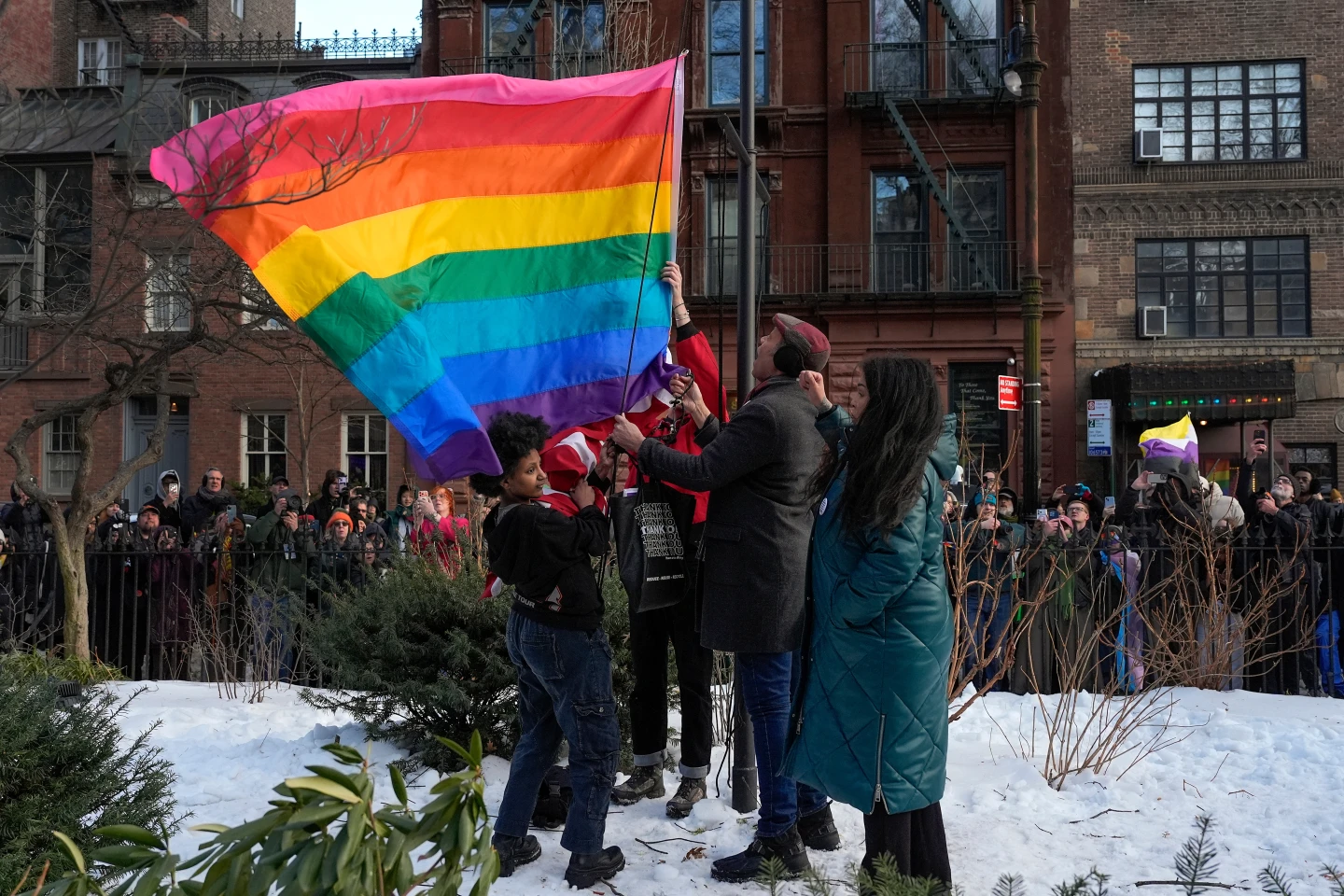
In the wake of the flag's removal, advocates, along with New York Democratic officials, raised another rainbow flag at the site, symbolizing resilience amidst attempts to erase LGBTQ+ representation.
The Stonewall monument, established by former President Barack Obama in 2016, serves as a focal point in the narrative of the LGBTQ+ rights movement, marking the site of protests that ignited in 1969 during a police raid at the Stonewall Inn.
In light of the ongoing debate around diversity and inclusion, advocates hope that maintaining the Pride flag will solidify the monument’s significance in preserving and interpreting the rich, diverse history of LGBTQ+ individuals in America.