In brief
Chapal Bhaduri, known as Chapal Rani, was a renowned male actor in women's roles during the mid-20th century Bengal jatra theatre. His legacy reflects a rich tapestry of performance where masculinity and femininity blurred, challenging societal norms. Despite his stardom, Bhaduri’s later years were marked by obscurity and change within the theatre landscape as female performers began to rise. His story, documented in Sandip Roy's book, provides insight into the evolving nature of gender in the performing arts and prompts reflection on memory, recognition, and the impact of cultural shifts.
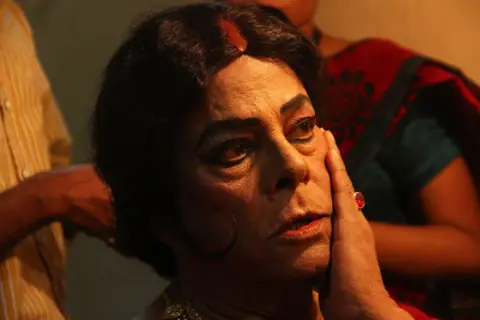
In mid-20th Century Bengal, some of the most prominent stars on stage weren’t women, but men portraying female roles. At the forefront was Chapal Bhaduri, affectionately known as Chapal Rani, who reigned over the jatra, a vibrant tradition of travelling theatre that captivated audiences with its spirited storytelling and emotional depth.
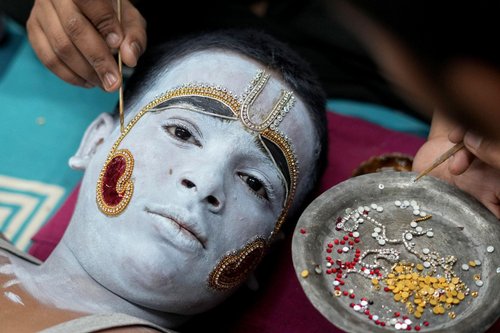
Historically, this practice of male actors playing female characters spans globally, from various parts of Europe to Asia. In Bengal, jatra became a cultural staple, featuring a unique blend of narrative, music, and visual spectacle that accounted for massive crowds eager for entertainment, rivalling films in popularity, albeit lacking the same financial rewards.
In his latest work, Chapal Rani: The Last Queen of Bengal, author Sandip Roy chronicles Bhaduri's ascent to fame and subsequent fall into obscurity, encapsulating a shifting world where gender was not merely binary but an art form unto itself.
The tradition saw men, dubbed purush ranis, dominate female roles. Yet, even at the height of its popularity, jatra faced criticism from urban intellectuals and colonial influences, who deemed it unsophisticated and rustic. As Bhaduri took to the stage in the 1950s, the winds of change began to blow with more women entering the performing arts, thereby narrowing the space for male impersonators.
Born in Kolkata in 1939 to stage actress Prabha Devi, Bhaduri was immersed in performance from a young age. He began to act at sixteen, fully embracing the challenge of embodying complex female personas, from queens to courtesans, with elegance and conviction. His performances were characterized by their depth, shunning caricature for authenticity in a culture rife with stereotypes of queer identities.
Autumn in his artistic journey signified the rise of female performers, which gradually led to his professional decline. As the public's preference shifted away from male actors in female roles, Bhaduri, once celebrated, now faced rejection, culminating in moments of humiliation during his performances.
Through the tumultuous transitions of jatra and his personal life, Bhaduri reflected a longing for love and acceptance, maintaining a long-term relationship despite the societal constraints of his time. Although he didn't openly identify with contemporary LGBTQ+ labels, his existence serves as a critical thread in the narrative of queer history in India, representing resilience amidst societal neglect.
Today, at age 88, Bhaduri resides in a retirement facility, his legacy a blend of artistry, struggle, and the poignant question of remembrance in a world quick to forget. His life’s story, revived through literature and film, highlights the complexities of gender and identity, calling for a reevaluation of those who shaped the cultural landscape.