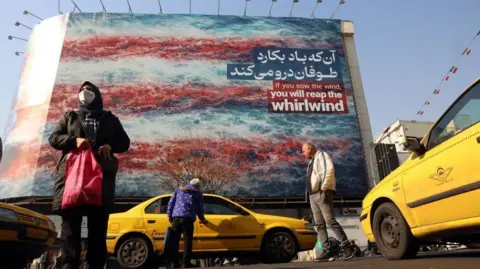
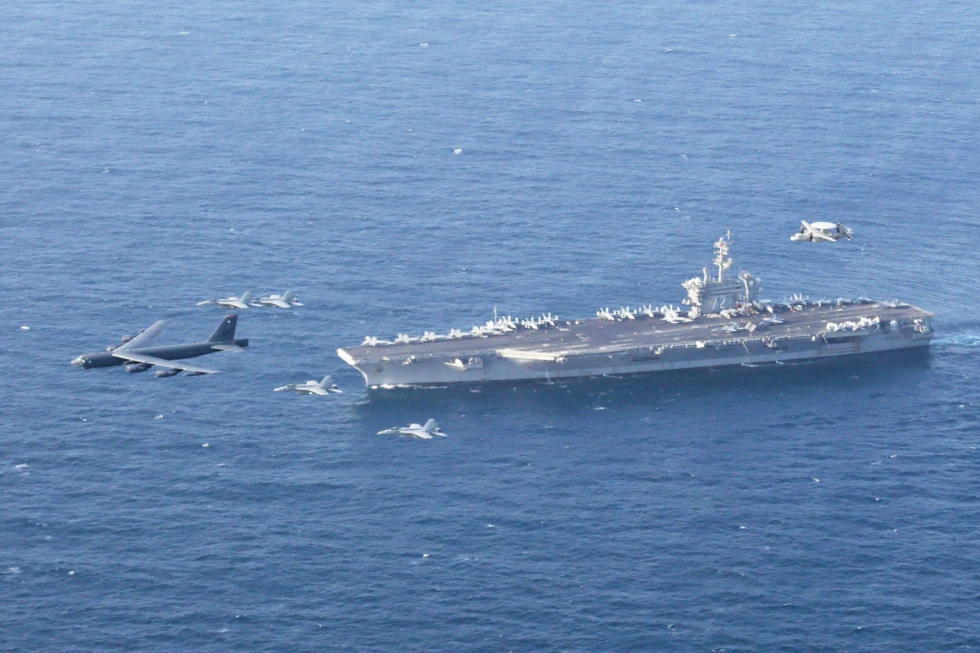
The arrival of the USS Abraham Lincoln carrier strike group into the US Central Command area confirms escalating tensions close to Iranian waters. This deployment occurs amid the most extensive protests Iran has experienced in years, suggesting that Washington and Tehran may be on the brink of direct confrontation.
Iranian leaders are caught between a vibrant protest movement demanding a regime change and the unpredictable stance of the US administration, which has taken a threatening yet vague approach. This scenario increases anxiety in Tehran and the already volatile Middle East region.
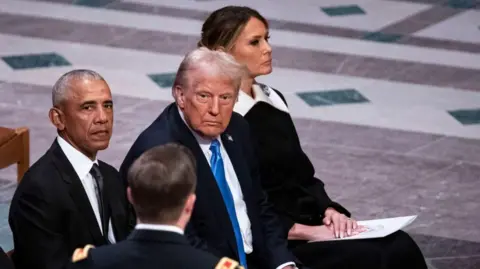
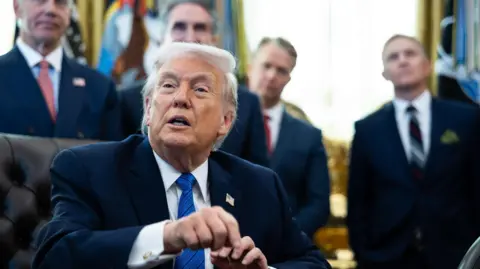
Unlike past engagements, Iran's potential response to a military strike from the US may not follow their usual strategy of calibrated retaliation. President Trump's recent threats coincide with a particularly strained internal situation in Iran, increasing the risk of rapid escalation, both regionally and domestically.
Traditionally, Tehran opted for measured responses, as seen after previous US strikes on Iranian facilities. However, the current atmosphere of unrest suggests that Iranian leaders may feel compelled to adopt a more aggressive military posture, responding swiftly to any provocation to restore self-confidence and control domestically.
The sweeping crackdown on recent protests, where thousands are reported killed or detained amid government denials and allegations of foreign instigation, indicates a regime under intense pressure. Following the December protests, the authorities face a wide chasm between societal discontent and their grasp on power, raising fears of a miscalculated response if the US escalates military action.
The complex dynamics necessitate caution from both sides, as an inadequate response from the US could trigger another wave of repression in Iran, while a headlong rush into conflict could spiral beyond control, affecting millions in the region.