MINNEAPOLIS (AP) — A group of Protestant and Catholic clergy has petitioned a federal court for the right to minister to immigrants held in a facility that has become a focal point for federal enforcement in Minnesota.
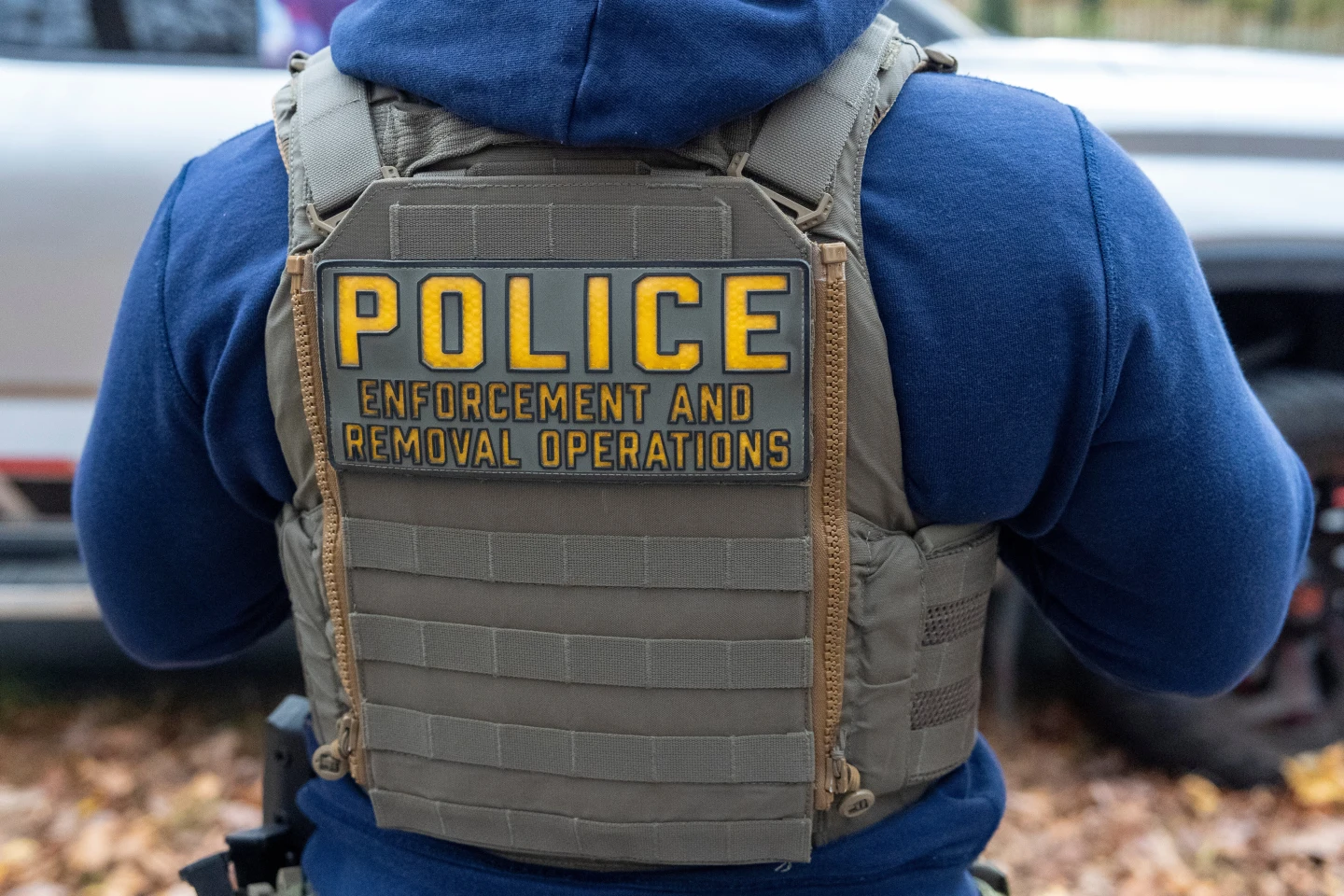
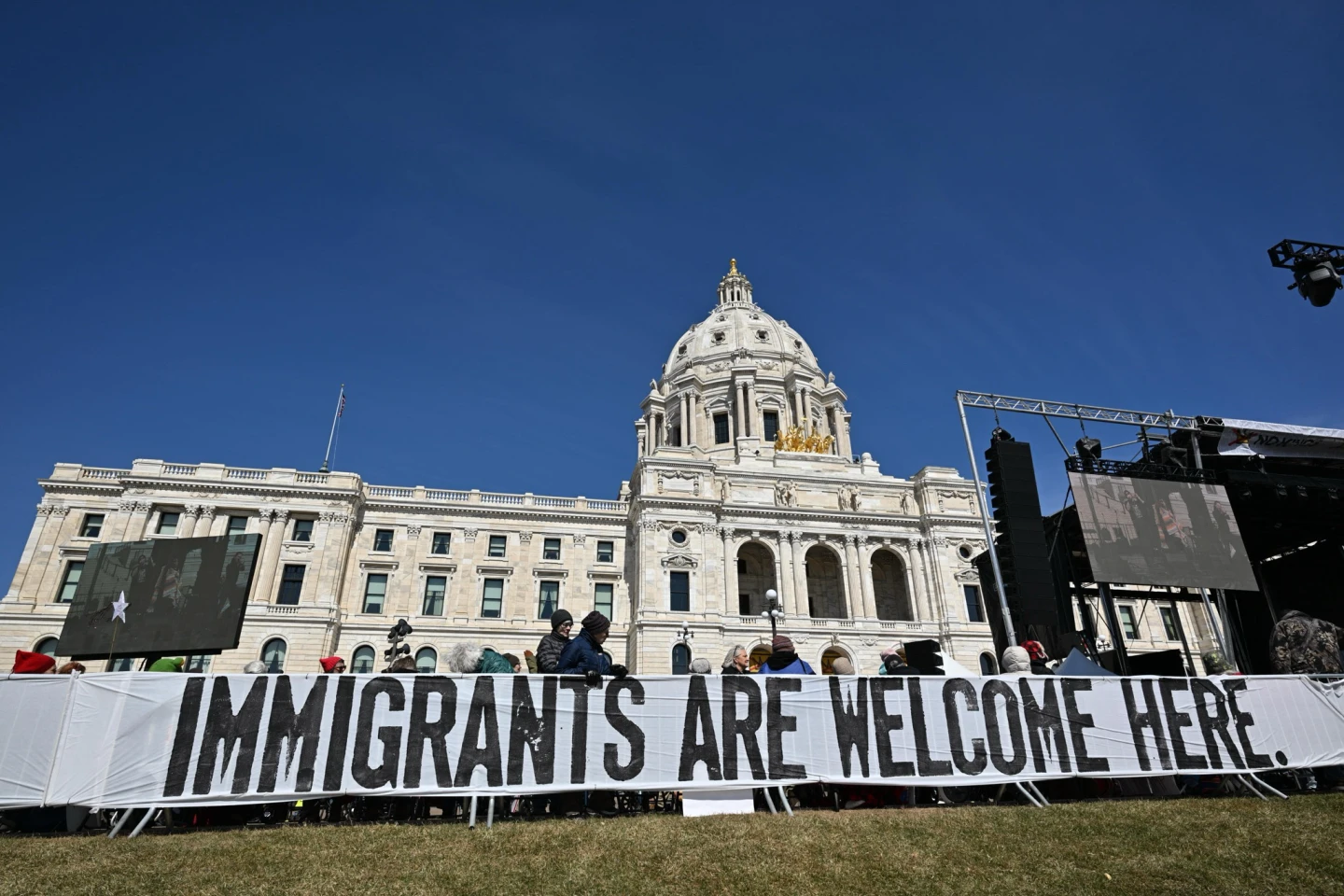
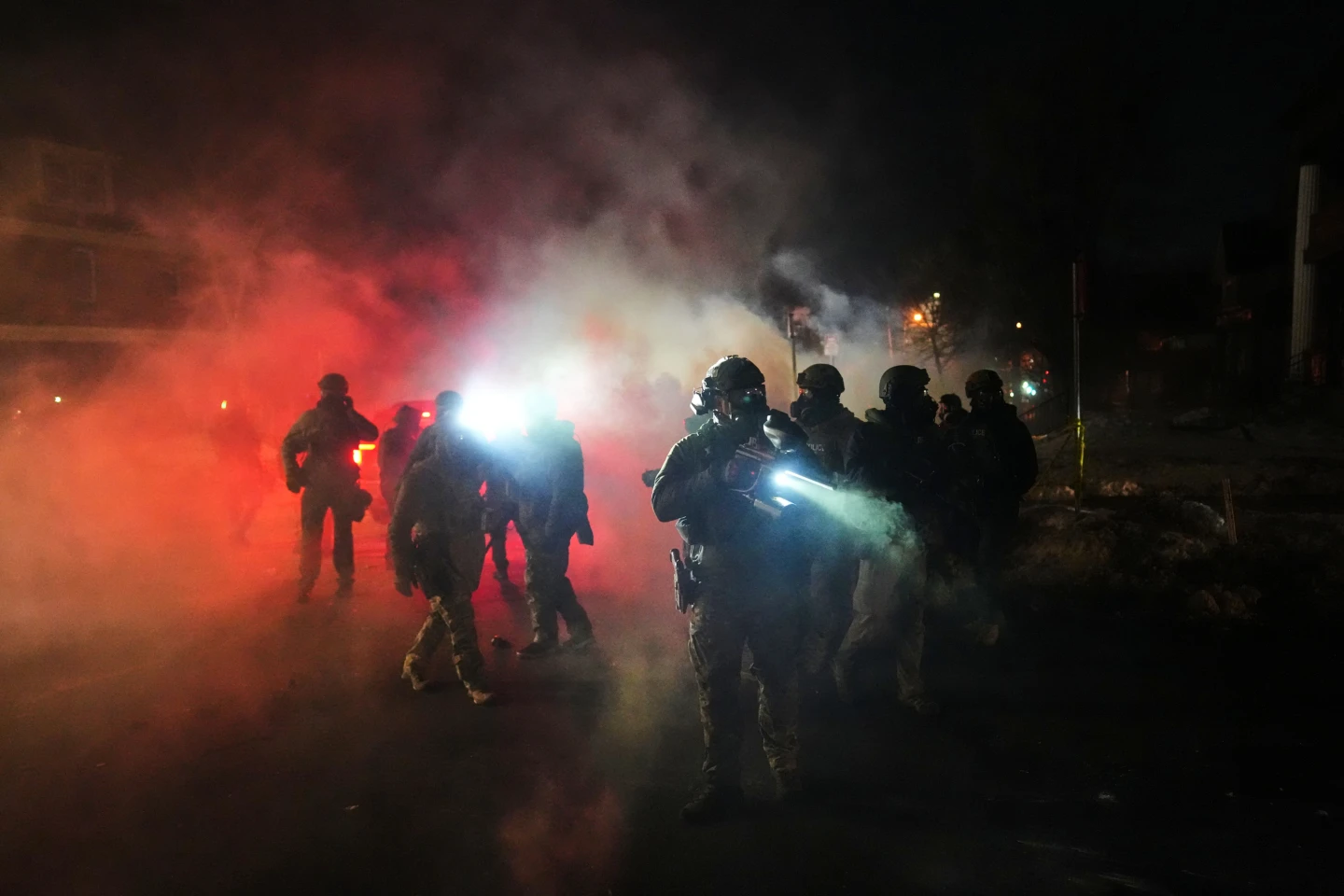
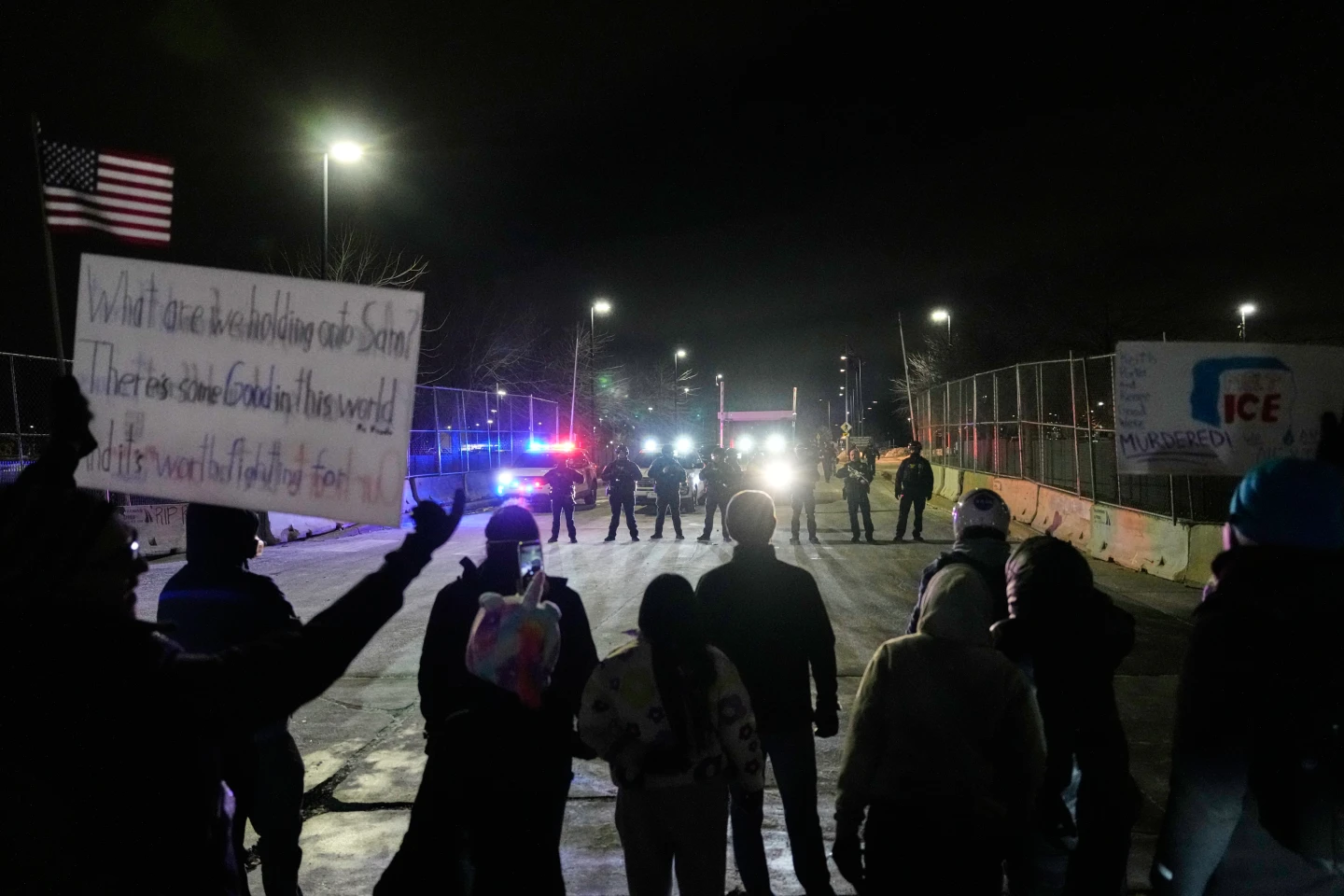
On Friday, U.S. District Judge Jerry Blackwell will hear arguments from representatives of the Evangelical Lutheran Church in America, the United Church of Christ, and others seeking an injunction that would mandate the Department of Homeland Security to permit timely in-person visits for clergy to detainees at the Bishop Henry Whipple Federal Building in Minneapolis. This site has been the locus of numerous protests during a recent surge of approximately 3,000 federal enforcement officers sent to the state.
The lawsuit notes that the Whipple building, named for Minnesota's inaugural Episcopal bishop, has strayed from its namesake's legacy of human rights advocacy and has instead become synonymous with the deprivation of fundamental rights. Clergy argue that ICE's current restrictions prevent them from fulfilling their spiritual duties during crucial moments of distress for detainees.
Government attorneys assert that changes in the operation pursuant to the recent immigration enforcement strategy might render the request moot, given that Operation Metro Surge officially concluded on February 12. They claim that access for clergy has already been permitted over the past two weeks following eased restrictions.
Support for the clergy's request spans various religious backgrounds, including ministers from the Minnesota Council of Churches, who argue for increased access to immigrant detention centers, especially in observance of significant times in their faith calendars.
The lawsuit cites instances where clergy were denied entry to provide essential spiritual care on significant religious dates, thus claiming violations of both their constitutional freedoms and the Religious Freedom Restoration Act of 1993.
Ice officials maintain that the Whipple facility serves predominantly for short-term detentions, noting that any clergy requests would be evaluated on a case-by-case basis. Recent examination of the facility by Congressional members had raised concerns regarding the conditions and access for both legal representatives and religious leaders alike.