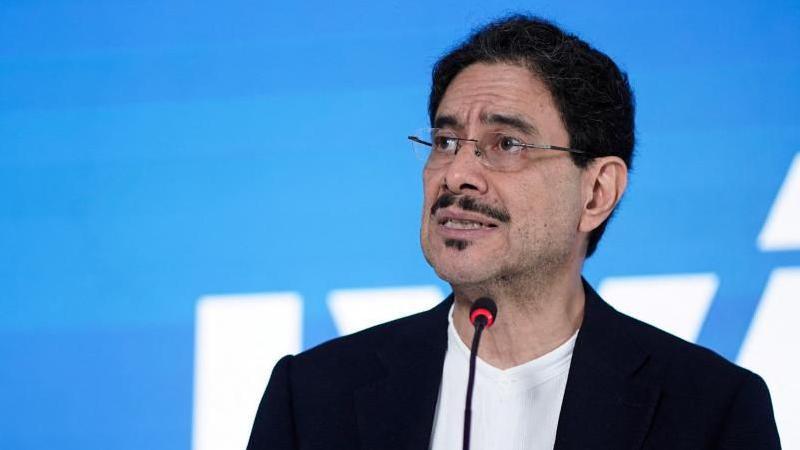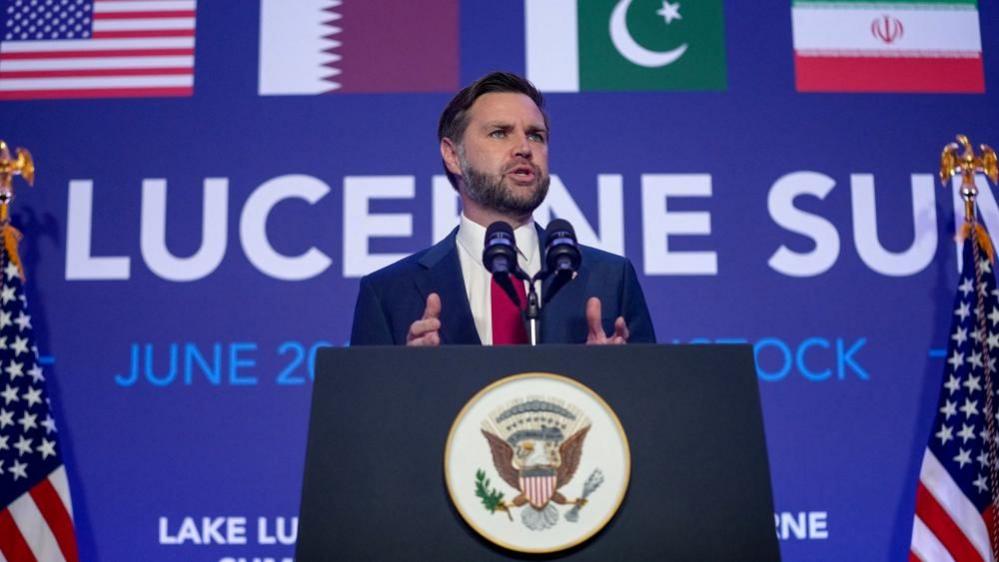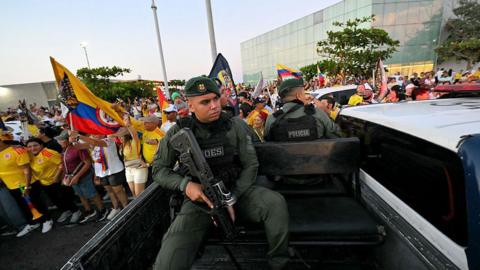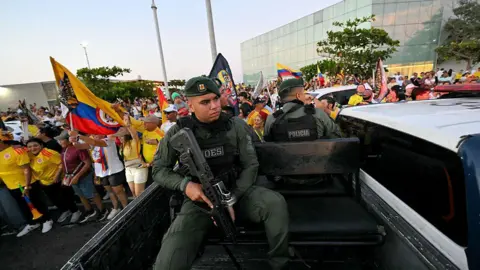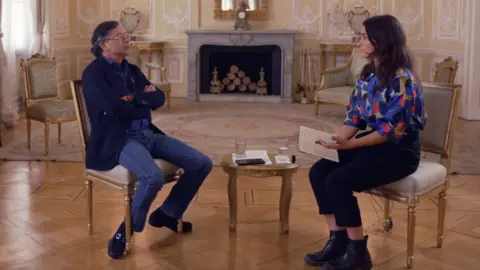
Colombia's President Gustavo Petro has stated that he perceives a 'real threat' of military action from the United States against his nation, amidst escalating tensions between the two countries. In a recent interview with the BBC, Petro expressed concern over comments made by former President Trump, who suggested that a military operation in Colombia 'sounds good'. Petro accused the US of treating democratic nations as extensions of a US 'empire', cautioning that such actions could lead to an isolated America, rather than one that dominates globally.
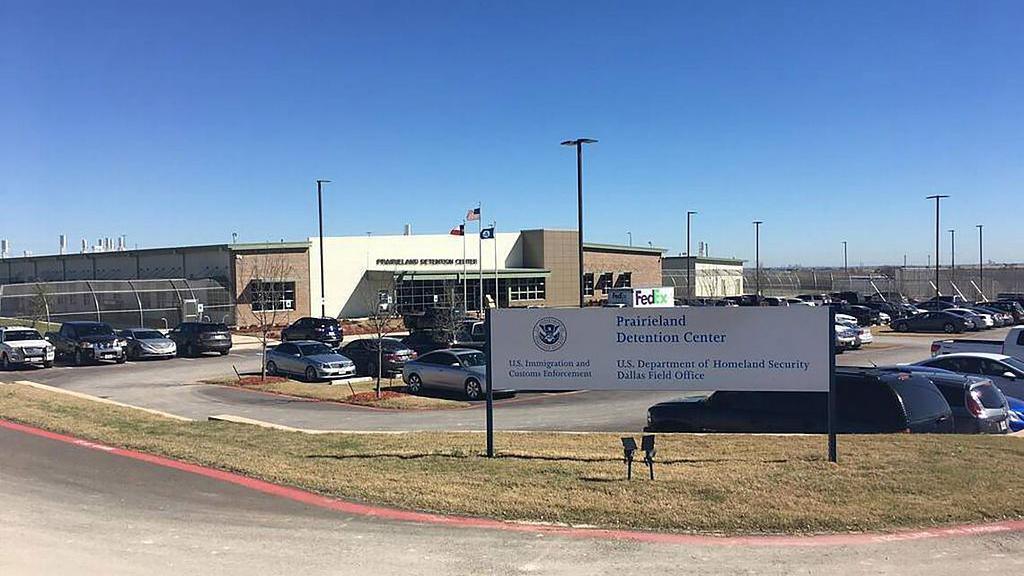
Petro has been vocal in his criticism of US immigration policies, likening US Immigration and Customs Enforcement (ICE) actions to those of 'Nazi brigades', following recent expansions of ICE operations under the Trump administration. The Colombian leader's remarks reflect a backlash against US aggression and its implications for Colombian sovereignty, which has been undermined historically. He highlighted Colombia's painful history of territorial losses, such as Panama.
The tensions intensified after Trump reportedly advised Petro to 'watch his ass', a statement that Petro condemned while asserting that he would prefer diplomacy over conflict. The president insists that Colombia's defense lies in dialogue and understanding, rather than a military confrontation against a superior force. He mentioned that Colombia would rely on its citizens and geographic advantages, rather than conventional military power.
Furthermore, in light of Trump's military actions against Venezuela, Petro warned of the broader implications of US interventions in South America. Emphasizing the need for peaceful relationships, he stated that true diplomacy would have prevented war and violence in the region.
In a historical context, Petro pointed out that military interventions in Latin America often carry heavy consequences, and highlighted the previous success in combatting drug trafficking through both negotiation and military force. His administration's dual approach seeks both to engage in discussions with various armed groups while maintaining a hard stance against those rejecting peace.
As Colombia continues to grapple with its role in the global drug trade, Petro remains committed to a 'total peace' strategy, advocating for constructive dialogue with adversaries and seeking localized solutions to drug-related violence. The ongoing complexities of US-Colombia relations are poised to unfold further, especially with forthcoming discussions between the two nations' leaders.